Natural vs. Synthetic Skin Care: Myths, Facts, and Best Choices
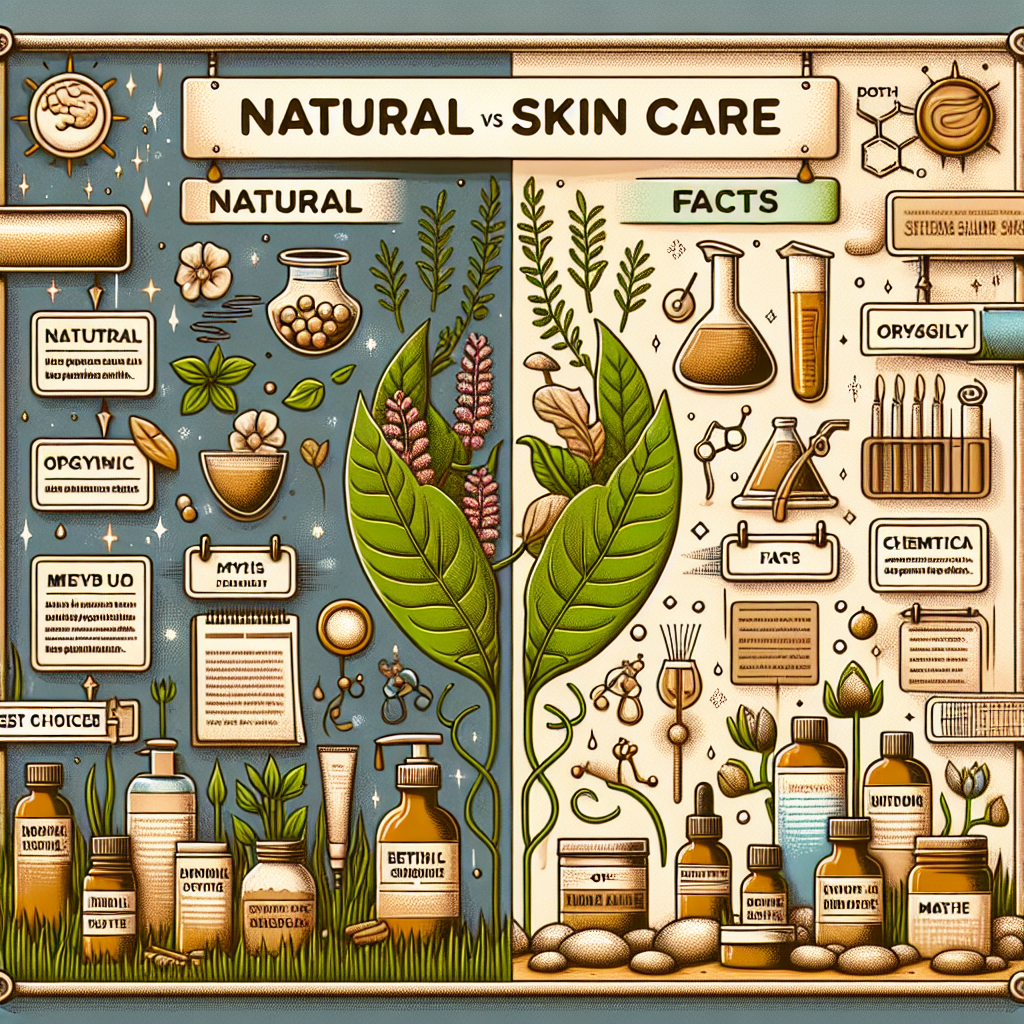
Are natural skin care products really safer or better than those made with synthetic ingredients? The debate between natural vs chemical skin care is ongoing, with plenty of myths, marketing hype, and confusion along the way. In this comprehensive guide, we’ll break down the facts, debunk common misconceptions, and help you make informed choices for your skin’s health.
Table of Contents
- Understanding Natural and Synthetic Skin Care
- Common Myths About Natural and Synthetic Ingredients
- Facts: Safety, Efficacy, and Regulation
- Case Studies: Real-World Examples
- How to Choose What’s Right for You
- Actionable Takeaways
- Further Reading & Internal Resources
1. Understanding Natural and Synthetic Skin Care
What Does ‘Natural’ Mean?
Natural skin care products are often marketed as being derived from plants, minerals, or animal byproducts with minimal processing. However, there is no universal regulatory definition of “natural” in cosmetics. Some brands consider an ingredient natural if it’s sourced from nature, even if it’s been chemically processed.
- Example: Coconut oil, shea butter, aloe vera, and essential oils are commonly labeled as “natural.” Yet, to be used in products, they often undergo extraction, refinement, or chemical modification.
What About ‘Synthetic’?
Synthetic ingredients are created via chemical processes, either mimicking substances found in nature or producing entirely novel compounds. Many lab-made ingredients are designed for safety, consistency, or improved performance.
- Example: Hyaluronic acid, a popular humectant, can be sourced from animal tissue or synthesized in a lab through fermentation.
The ‘Chemical’ Misconception
All matter—including water and natural oils—is made of chemicals. “Chemical-free” is a marketing term, not a scientific reality. The focus should be on ingredient safety and efficacy, not whether it’s natural or synthetic.
2. Common Myths About Natural and Synthetic Ingredients
Myth 1: Natural Means Safer
Not always. Poison ivy and arsenic are natural but toxic. Natural ingredients can cause allergies, irritation, or interact unpredictably with other substances.
- Case in Point: Essential oils like tea tree or citrus can trigger photosensitivity or allergic reactions in sensitive skin.
Myth 2: Synthetic Ingredients Are Harmful
Many synthetic ingredients are extensively tested for safety and stability. Some, like synthetic vitamin C (ascorbic acid), are purer and more stable than their natural counterparts.
- Example: Parabens have been demonized, but scientific reviews have found them to be among the safest preservatives when used at appropriate concentrations. (For more on this, see our in-depth guide to parabens in skin care.)
Myth 3: Natural Products Are Always More Effective
Efficacy depends on the ingredient, formulation, and your skin type. Both natural and synthetic ingredients can deliver impressive results—or disappoint.
- Example: Retinol (synthetic vitamin A) is backed by decades of research for its anti-aging benefits, while natural alternatives like bakuchiol show promise but lack the same volume of data.
3. Facts: Safety, Efficacy, and Regulation
Ingredient Safety and Testing
Whether natural or synthetic, ingredients in skin care should undergo rigorous safety assessments. In many regions, such as the EU, cosmetic ingredients are strictly regulated. In the U.S., oversight is less stringent, so choosing reputable brands is essential.
Key Considerations:
- Source: Both natural and synthetic ingredients can be contaminated or adulterated.
- Purity: Synthetics often allow for greater purity and consistency between batches.
- Stability: Some natural ingredients degrade quickly, while synthetic versions may offer longer shelf life and effectiveness.
Environmental Impact
The environmental footprint of an ingredient depends on sourcing, production, and disposal. Some natural ingredients require unsustainable harvesting, while some synthetics can be manufactured with minimal waste.
- Case Study: The demand for sandalwood oil has led to overharvesting and endangerment of the species. Synthetic sandalwood alternatives help relieve pressure on natural sources.
Allergies and Sensitivities
Natural products often contain complex mixtures of compounds, increasing the risk of allergic reactions. Synthetic ingredients, usually more purified, may pose fewer allergy risks for some people.
For tips on managing sensitive skin, see our article: Sensitive Skin Care: Tips and Product Picks.
4. Case Studies: Real-World Examples
Case Study 1: Vitamin C
Natural sources of vitamin C, like rosehip oil, are rich in antioxidants but unstable in formulations. Synthetic ascorbic acid is stable, effective, and clinically proven to brighten skin and fight free radicals. Some brands blend both to harness the benefits of each.
Case Study 2: Preservatives
Natural preservatives (like grapefruit seed extract) are less reliable than synthetic ones (like phenoxyethanol) at preventing bacterial growth. Inadequate preservation can lead to contamination and health risks.
Case Study 3: Sunscreens
Mineral sunscreens (zinc oxide, titanium dioxide) are natural and physically block UV rays, while chemical sunscreens are synthetic and absorb UV. Both are effective, but mineral sunscreens are often preferred for sensitive skin, while chemical options may have better cosmetic elegance.
5. How to Choose What’s Right for You
Assess Your Skin’s Needs
- Identify your primary concerns—dryness, acne, aging, sensitivity, etc.
- Understand your skin type and any allergies or sensitivities you may have.
Don’t Rely on Marketing Claims
- Look beyond buzzwords like “natural,” “chemical-free,” or “clean.”
- Check ingredient lists and research key actives. Reliable resources include the Cosmetic Ingredient Review and EWG Skin Deep database.
Patch Test New Products
- Always patch test, especially with products high in botanicals or essential oils.
Consult a Professional
- For persistent skin issues or allergies, consult a dermatologist or licensed skin care professional.
Balance Natural and Synthetic
- Many effective products combine both natural and synthetic ingredients for optimal results.
6. Actionable Takeaways
- Don’t assume natural is always better or safer—consider the science and your skin type.
- Synthetic ingredients can be effective, safe, and environmentally responsible.
- Choose products from reputable brands that prioritize transparency and testing.
- Patch test and monitor your skin’s response to new products.
- Educate yourself on ingredients and avoid falling for greenwashing marketing tactics.
7. Further Reading & Internal Resources
- Are Parabens Safe in Skin Care?
- Sensitive Skin Care: Tips and Product Picks
- Best Natural Moisturizers: What Really Works?
- Skin Care Ingredients to Avoid
- Top Anti-Aging Ingredients (Natural & Synthetic)
Still unsure whether natural or synthetic is right for your skin? Remember: the best skin care choice is an informed one. Prioritize evidence, safety, and what works for your unique skin needs.