How to Read Skin Care Labels: Decoding Ingredients and Claims for Smarter Choices
Shopping for skin care products can feel overwhelming, with shelves lined with bottles promising everything from instant hydration to age-defying miracles. But how do you separate marketing hype from genuine benefit? The answer lies in mastering the art of reading skin care labels. In this comprehensive guide, we’ll demystify ingredient lists, decode common claims, and give you the tools to make confident, informed decisions about what you put on your skin.
Why Understanding Skin Care Labels Matters
Product packaging is designed to catch your eye and convince you to buy. However, the real story is told in the fine print—specifically, the ingredient list and regulatory disclosures. Understanding these can help you:
- Avoid allergens and irritants
- Identify effective (or ineffective) ingredients
- Ensure products align with your ethical values (cruelty-free, vegan, etc.)
- See through misleading marketing claims
Let’s break down each essential element and how it impacts your buying decisions.
Decoding the Ingredient List: The INCI System
The International Nomenclature of Cosmetic Ingredients (INCI) standardizes how ingredients are listed on skin care products. Here’s what you need to know:
- Order of Ingredients: Ingredients are listed in descending order by weight until they reach 1% or less, after which they can appear in any order. This means the first five ingredients make up the bulk of the formula.
- INCI Names: These are scientific or Latin names (e.g., Butyrospermum Parkii for shea butter). Sometimes, the common name appears in parentheses.
- Active Ingredients: In products like sunscreens and acne treatments, you might see a separate ‘Active Ingredients’ section, which highlights ingredients with a therapeutic effect.
Example: Breaking Down a Moisturizer’s Label
Water (Aqua), Glycerin, Caprylic/Capric Triglyceride, Niacinamide, Butyrospermum Parkii (Shea Butter), Phenoxyethanol, Fragrance (Parfum)- Water is the main ingredient, followed by glycerin (a humectant).
- Niacinamide (Vitamin B3) is the fourth ingredient, indicating a meaningful concentration.
- Phenoxyethanol is a preservative; fragrance is listed last, which is preferable for sensitive skin.
For more on how specific ingredients impact your skin, see our article on Understanding Skincare Ingredients.
Common Ingredients and What They Do
Here are some frequent ingredients you’ll encounter on skin care labels and their typical roles:
- Humectants: Attract water into the skin (e.g., glycerin, hyaluronic acid).
- Emollients: Soften and smooth skin (e.g., shea butter, squalane).
- Occlusives: Form a barrier to prevent moisture loss (e.g., petrolatum, dimethicone).
- Active Ingredients: Deliver targeted benefits (e.g., retinol for anti-aging, salicylic acid for acne).
- Preservatives: Prevent microbial growth (e.g., phenoxyethanol, parabens).
- Fragrance: Added for scent; can be a mix of natural or synthetic compounds.
Case Study: Sensitive Skin and Fragrance
Maria, who struggled with redness and irritation, discovered that many of her reactions were due to products containing undisclosed fragrance blends. By learning to spot “fragrance (parfum)” on labels and choosing fragrance-free options, her skin calmed significantly within weeks.
Understanding Marketing Claims
Terms like “hypoallergenic,” “dermatologist-tested,” and “non-comedogenic” sound reassuring, but what do they really mean?
- Hypoallergenic: Implies a reduced likelihood of causing allergic reactions. However, there’s no regulatory standard, so this claim is largely unregulated.
- Dermatologist-Tested: Means the product was tested by or on dermatologists, but doesn’t guarantee safety or efficacy.
- Non-Comedogenic: Suggests it won’t clog pores. There is no universal standard, so results may vary by individual.
- Clinically Proven: Indicates some testing was done, but not all studies are conducted with the same rigor.
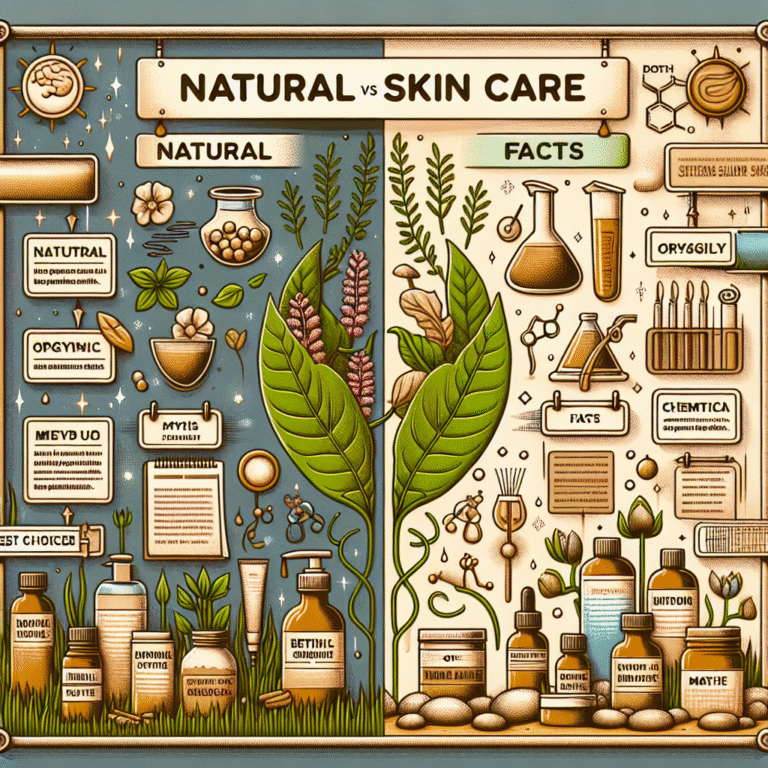
- Organic/Natural: These terms are inconsistently regulated. Always look for third-party certifications.
Example: Comparing Two Moisturizers
| Brand A (“Natural”) | Brand B (“Clinically Proven”) |
|---|---|
| Claims: 98% natural ingredients, no parabens. INCI list shows essential oils high on the list, which can irritate sensitive skin. | Claims: Reduces wrinkles. INCI list includes peptides and retinol, with clinical trial references on the brand website. |
Brand A’s “natural” claim doesn’t guarantee safety, while Brand B’s “clinically proven” status is more credible if backed by published data. Always check ingredient lists and look for substantiation of claims.
Regulatory Disclosures and Allergen Warnings
Depending on your region, certain disclosures are mandatory:
- EU: Requires allergens from fragrance blends to be listed if above certain concentrations.
- US: FDA oversees labeling but does not require pre-market approval for cosmetics.
- Expiration Dates: Look for a PAO (Period After Opening) symbol—an open jar with a number (e.g., 12M = 12 months).
Read our guide to skincare safety and expiry dates for more details.
How to Spot Red Flags on Product Labels
- Vague Claims: “Miracle” or “magic” ingredients usually signal marketing over substance.
- Ingredient Dumping: Listing dozens of plant extracts at the end of an INCI list is more about marketing than efficacy.
- Undisclosed Fragrance: “Parfum” can be a catch-all for multiple undisclosed chemicals.
- Alcohols: Not all alcohols are bad, but denatured alcohol (alcohol denat.) high on the list can be drying.
Case Study: Avoiding Irritants in Acne Products
Josh, a teenager battling breakouts, found that many acne-targeted cleansers contained high amounts of sodium lauryl sulfate (a harsh surfactant) and alcohol denat., leading to increased dryness and irritation. Switching to a gentle, sulfate-free cleanser with salicylic acid as an active ingredient dramatically improved his skin.
Actionable Steps for Decoding Skin Care Labels
- Read the First Five Ingredients: These will make up the majority of your product’s formula.
- Research Actives: Look for ingredients like retinol, vitamin C, or salicylic acid if you want targeted results.
- Avoid Problematic Ingredients: If you have sensitivities, avoid fragrance or certain preservatives high on the list.
- Check for Certification Logos: For vegan, cruelty-free, or organic claims, look for reputable third-party logos.
- Ignore Marketing Hype: Focus on the ingredient list over the front-of-package claims.
Frequently Asked Questions
- Is a longer ingredient list always worse?
- No. While simpler is often better for sensitive skin, complex products can be beneficial if you understand the role of each component.
- What does “fragrance-free” really mean?
- It means no fragrance was added, but the product may still have a scent from its ingredients. “Unscented” can also include masking fragrances.
- How do I know if a product is suitable for my skin type?
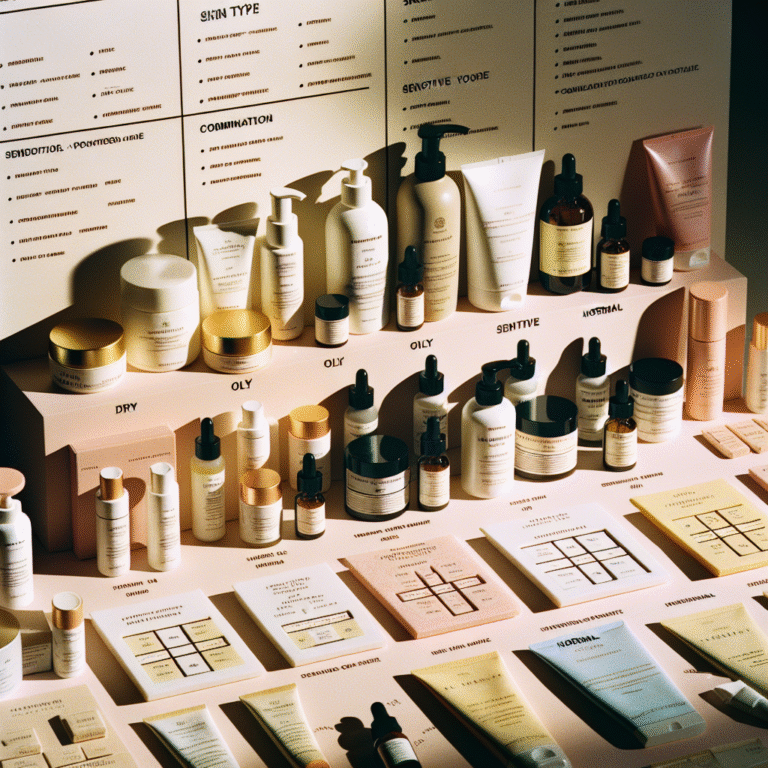
- Look for keywords like “for oily skin” or “for dry skin” and check for appropriate actives (e.g., hyaluronic acid for dry, niacinamide for oily/combination).
Internal Resources and Further Reading
Key Takeaways
- Learn to read ingredient lists and focus on the first five ingredients for the most impact.
- Understand that marketing claims like “natural” or “hypoallergenic” may not be standardized or regulated.
- Research active ingredients and avoid known irritants or allergens based on your personal sensitivities.
- Look for third-party certifications when ethical or safety claims matter to you.
- Always patch-test new products, even those with promising ingredient lists.
By developing label literacy, you empower yourself to make smarter, safer, and more effective skin care choices every day.