Seasonal Skin Care Hacks: How to Adapt Your Routine Year-Round
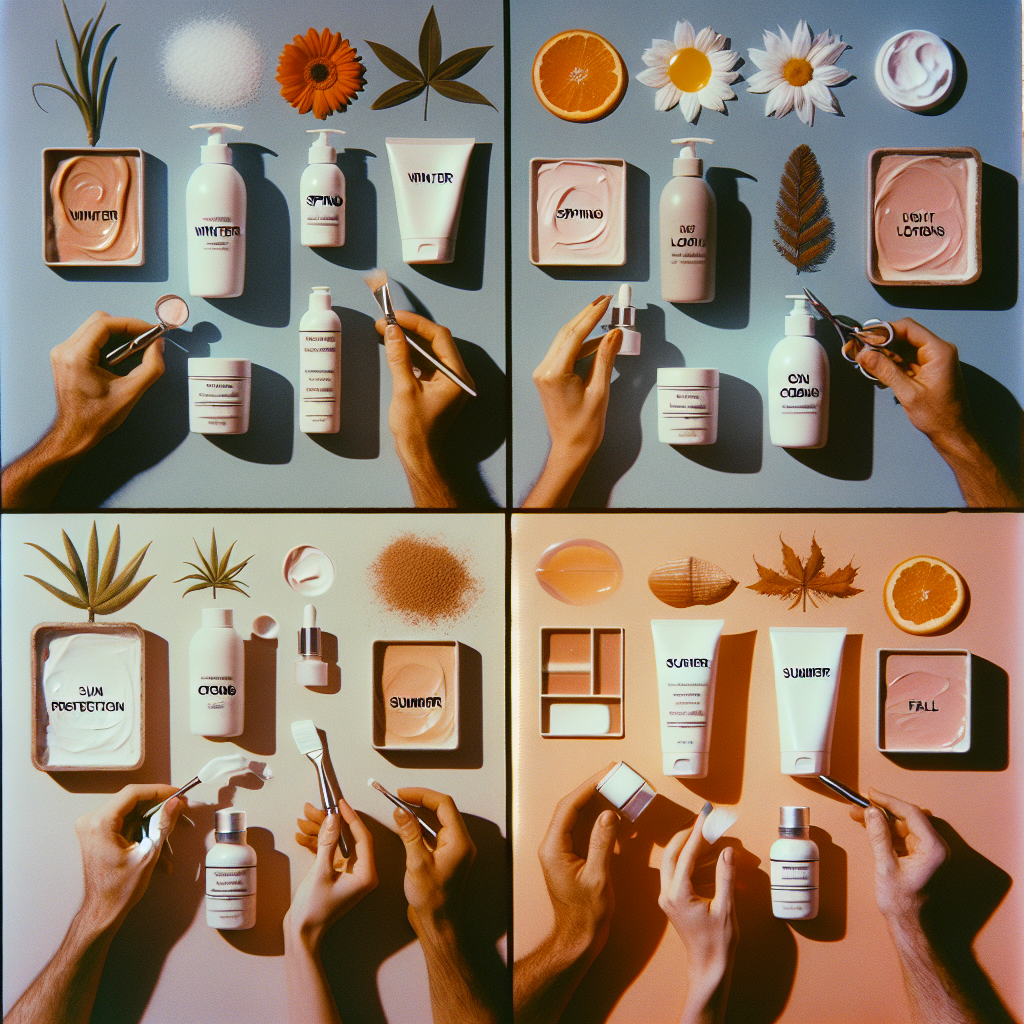
Have you ever noticed your skin acting up with the changing weather? You’re not alone. Our skin’s needs shift dramatically with the seasons, and what works in winter might spell disaster come summer. Seasonal skin care is about staying ahead of these changes, arming yourself with the right hacks and adjustments so your skin stays healthy, glowing, and resilient—no matter the weather.
Why Your Skin Needs Change with the Seasons
Temperature swings, humidity fluctuations, and environmental stressors all impact your skin’s health. In winter, biting winds and indoor heating sap moisture, leading to dryness and sensitivity. Summer brings heat, humidity, and extra sun exposure, triggering oil production and increasing the risk of sun damage. Even transitional seasons—spring and fall—demand their own tweaks as your skin recalibrates.
Key Factors to Consider
- Humidity Levels: Dry air in winter, high humidity in summer
- Sun Exposure: More intense UV rays in spring and summer
- Allergens: Pollen in spring, pollution in urban summer
- Lifestyle Habits: More outdoor activity in summer, indoor heating use in winter
Winter Skin Care: How to Fight Dryness and Sensitivity
Winter is notorious for leaving skin feeling tight, flaky, and uncomfortable. Here’s how to give your routine a winter-proof upgrade:
1. Switch to a Gentle, Hydrating Cleanser
Foaming cleansers can strip away essential oils. Opt for a cream or oil-based cleanser to maintain your skin’s barrier.
2. Layer on Moisture
- Use a hyaluronic acid serum to draw moisture in.
- Follow with a rich moisturizer containing ceramides or squalane.
- Seal with a facial oil if your skin is extra dry.
3. Don’t Skip Sunscreen
UV rays are still present in winter! Choose a broad-spectrum SPF 30 or higher, especially if you’re around snow, which reflects UV light.
4. Add a Humidifier
Indoor heating creates a desert-like environment. A humidifier adds much-needed moisture to the air, preventing trans-epidermal water loss.
Case Study: Winter Rescue Routine
Maria, a software engineer in Toronto, struggled with dry, flaky skin every winter. By swapping her gel cleanser for a milky formula and adding a hyaluronic acid serum, she noticed a dramatic reduction in irritation. She also started running a humidifier at night, waking up to plumper, more comfortable skin.
Actionable Takeaways for Winter:
- Switch to a richer moisturizer and gentler cleanser
- Layer hydrating serums before moisturizers
- Run a humidifier in your bedroom
- Apply sunscreen daily, even on cloudy days
Spring Skin Care: Rejuvenate and Prepare
As temperatures rise and humidity increases, your skin starts to recover from winter. Spring is the time for renewal—and gentle exfoliation.
1. Reintroduce Exfoliation
Buff away winter buildup with mild chemical exfoliants (like AHAs or PHAs) 1-2 times per week.
2. Lighten Up Your Moisturizer
Swap heavy creams for lighter lotions or gel-based moisturizers as the air grows more humid.
3. Guard Against Allergens
Spring allergies can trigger redness and irritation. Look for barrier-repair ingredients like niacinamide.
Case Study: Springtime Glow
David, who lives in Boston, noticed dullness lingering into April. He introduced a gentle lactic acid exfoliant and swapped his winter cream for a lightweight moisturizer. His skin quickly regained its glow, and breakouts decreased.
Actionable Takeaways for Spring:
- Start gentle exfoliation to brighten skin
- Transition to lighter moisturizers
- Protect against allergens with calming, barrier-repair serums
- Continue daily sunscreen use
Summer Skin Care Tips: Manage Oil and Sun Exposure
Summer means sweat, oil, and more time in the sun. Here’s how to keep your skin clear and protected:
1. Double Down on Sunscreen
Apply a broad-spectrum SPF 30+ every morning, reapplying every 2 hours if outdoors. Consider lightweight, non-comedogenic formulas.
2. Use Oil-Free, Non-Comedogenic Products
Switch to gel-based cleansers and moisturizers. Avoid heavy creams that can clog pores in humid weather.
3. Incorporate Antioxidants
Serums with vitamin C help defend against sun damage and pollution.
4. Mattify and Refresh
Blotting papers, mattifying primers, and face mists help control mid-day shine and keep you feeling fresh.
Case Study: Beat the Summer Shine
Priya, a teacher in Houston, found her skin was constantly oily and prone to breakouts each summer. By switching to an oil-free moisturizer and adding a vitamin C serum in the morning, she noticed fewer breakouts and a brighter complexion. Regular sunscreen reapplication also helped prevent dark spots.
Actionable Takeaways for Summer:
- Use lightweight, oil-free skin care products
- Apply and reapply sunscreen frequently
- Incorporate antioxidants to fight environmental damage
- Blot oil and refresh with facial mists as needed
Fall Skin Care: Repair and Rebalance
As temperatures drop, skin can become dry and sensitive again. Fall is the perfect time to repair summer sun damage and prep for winter’s harshness.
1. Repair with Retinoids
Introduce a gentle retinoid or retinol product to address sun damage and boost cell turnover. Start slow (1-2 times a week).
2. Reintroduce Richer Moisturizers
Switch back to a thicker moisturizer as air grows drier.
3. Focus on Barrier Support
Use ingredients like ceramides and peptides to strengthen your skin’s barrier for the months ahead.
Case Study: Repairing After Summer
Jessica, who enjoys hiking, noticed more freckles and dryness in September. By easing into a retinol cream and upgrading to a richer moisturizer, she saw more even tone and fewer dry patches by October.
Actionable Takeaways for Fall:
- Introduce retinoids gradually to repair sun damage
- Start using richer moisturizers
- Support your skin barrier with ceramides and peptides
- Maintain consistent SPF use
Climate-Specific Skin Care Hacks
Beyond the seasons, your local climate plays a major role in skin health. Here’s how to tweak your routine for common environments:
Dry, Cold Climates
- Emphasize occlusive moisturizers (like petrolatum or shea butter)
- Limit hot showers, which strip oils
- Use gentle, fragrance-free formulas to avoid irritation
Hot, Humid Climates
- Choose lightweight, water-based products
- Exfoliate regularly to prevent clogged pores
- Opt for mattifying sunscreens
High-Altitude or Mountain Climates
- Increase SPF to counter stronger UV exposure
- Use hydrating serums and avoid harsh exfoliants
Urban Environments
- Incorporate antioxidants to fight pollution
- Double cleanse at night to remove particulates
Frequently Asked Questions About Seasonal Skin Care
- Do I really need to change my skin care routine every season?
- Yes! Your skin’s needs change with temperature, humidity, and sun exposure. Small tweaks can make a big difference in comfort and appearance.
- Is it okay to use the same sunscreen year-round?
- As long as it’s broad-spectrum and appropriate for your skin type, yes. You may want lighter formulas in summer and more hydrating ones in winter.
- Should exfoliation be increased in summer?
- Not necessarily. Over-exfoliating, especially with sun exposure, can cause sensitivity. Stick to 1-2 times per week unless otherwise advised by a dermatologist.
Internal Resources for Deep Dive
- Best Winter Skin Care Routine
- Summer Skin Care Tips
- How to Choose the Right Sunscreen
- Understanding Skin Barrier Repair
Key Takeaways: Master Seasonal Skin Care Year-Round
- Adjust your cleanser and moisturizer with the seasons
- Never skip sunscreen—UV damage happens year-round
- Tailor your routine to your climate as well as the season
- Use antioxidants and barrier-support ingredients for extra protection
By understanding and embracing these seasonal skin care hacks, you’ll keep your complexion healthy and vibrant all year long. Ready to dive deeper? Check out our guides on winter skin care and summer skin care tips for more expert advice!