Natural vs. Synthetic Hair Care Products: What Really Works?
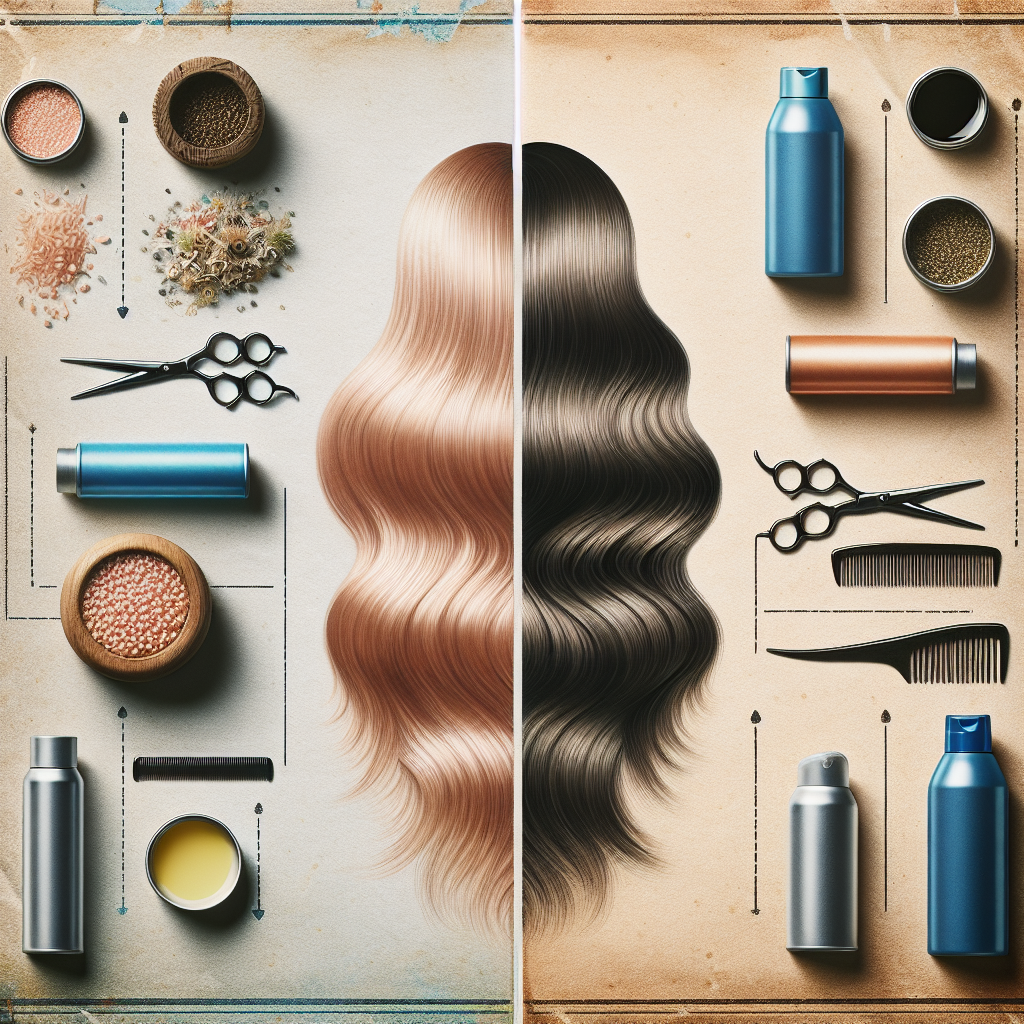
When it comes to choosing the best hair products, consumers are often faced with a dizzying array of options labeled as ‘natural’ or ‘synthetic.’ But what do these terms really mean, and which type of product is better for your hair? In this comprehensive guide, we’ll break down the science behind natural and synthetic hair care, examine their efficacy and safety, and provide practical tips to help you make informed choices for your unique hair type.
Understanding Natural and Synthetic Hair Care Products
What Are Natural Hair Care Products?
Natural hair care products use ingredients derived from plant, mineral, or animal sources with minimal chemical processing. Common examples include coconut oil, aloe vera, shea butter, and essential oils. The appeal of natural products lies in their reputation for being gentler and more environmentally friendly.
What Are Synthetic Hair Products?
Synthetic hair care products are formulated with ingredients created or heavily modified in laboratories. These may include silicones, sulfates, parabens, and synthetic fragrances. While they sometimes get a bad rap, synthetics are often used to enhance product performance, shelf-life, and stability.
Ingredient Deep Dive: Natural vs. Synthetic
Common Natural Ingredients and Their Benefits
- Coconut Oil: Moisturizes and reduces protein loss in hair (PubMed Study).
- Aloe Vera: Soothes the scalp and conditions hair.
- Shea Butter: Rich in fatty acids, helps with softness and manageability.
- Tea Tree Oil: Antimicrobial properties, helps with dandruff.
Common Synthetic Ingredients and Their Benefits
- Silicones (e.g., dimethicone): Provide smoothness, shine, and detangling.
- Sulfates (e.g., sodium lauryl sulfate): Create lather and deeply cleanse the scalp.
- Parabens: Extend product shelf-life by preventing microbial growth.
- Synthetic Polymers: Offer strong hold in styling products.
How Do These Ingredients Affect Different Hair Types?
Curly and Coily Hair
Curly and coily hair tends to be drier and benefits from the emollient properties of natural oils and butters. However, some synthetic ingredients like silicones can help reduce frizz and make detangling easier, provided they’re washed out properly.
Straight and Fine Hair
Straight and fine hair can become weighed down by heavy natural oils. Lightweight synthetic conditioning agents and gentle natural extracts often work better for volume and bounce.
Color-Treated or Damaged Hair
Color-treated or chemically processed hair needs moisture and protection. Both natural ingredients (like argan oil) and synthetics (such as quaternium compounds) can help repair and seal the hair cuticle.
Safety Considerations: Myths vs. Facts
One of the biggest misconceptions is that ‘natural’ always equals safe and ‘synthetic’ equals harmful. In reality, safety depends on the specific ingredient, concentration, and how it’s used.
- Natural Allergens: Essential oils and plant extracts can trigger allergic reactions in sensitive individuals.
- Synthetic Irritants: Some sulfates and preservatives may cause dryness or irritation, especially for sensitive scalps.
- Regulation and Testing: Both natural and synthetic ingredients undergo safety testing. Check for third-party certifications or patch test new products.
Case Studies: What Does the Research Show?
Case Study 1: Coconut Oil vs. Silicone-Based Serums
In a 2003 study, coconut oil was shown to reduce protein loss in hair better than mineral oil and sunflower oil. However, silicone-based serums can provide immediate smoothness and shine, especially for damaged hair, though they may cause buildup over time (source).
Case Study 2: Sulfate-Free Natural Shampoos vs. Traditional Cleansers
Sulfate-free shampoos are less likely to strip natural oils, making them suitable for dry or curly hair types. However, for oily scalps or heavy product users, traditional cleansers with mild sulfates may be more effective at removing buildup.
Case Study 3: Allergic Reactions to Essential Oils
While often perceived as gentle, some natural ingredients like tea tree and lavender oils have been linked to allergic dermatitis in sensitive individuals. Always patch test new products regardless of their origin.
What to Consider When Choosing Hair Care Products
- Hair Type: Understand your hair’s texture, porosity, and needs.
- Scalp Health: Consider sensitivities or conditions like dandruff or psoriasis.
- Desired Results: Are you looking for moisture, volume, frizz control, or color protection?
- Ingredient Transparency: Look for brands that disclose full ingredient lists and avoid greenwashing.
- Patch Testing: Always test new products on a small skin area first.
Actionable Takeaways
- Read labels and research key ingredients, whether natural or synthetic.
- Choose products tailored to your hair type and goals, not just marketing claims.
- Don’t assume ‘natural’ is always better—focus on proven efficacy and safety.
- Rotate between different product types if needed to meet changing hair needs.
- Consult with a hair care professional or dermatologist for persistent issues.
Frequently Asked Questions
Are natural hair care products better for your hair?
Not always. While some natural ingredients are beneficial, certain hair types may respond better to synthetic formulations. It’s about finding the right balance for your needs.
Can synthetic hair products damage your hair?
When used appropriately, most synthetic ingredients are safe and effective. Overuse or misuse (e.g., buildup from silicones, harsh sulfates) can lead to problems, but these can be managed with proper cleansing and care.
What’s the best way to transition to natural hair care?
Start by slowly introducing one new natural product at a time, monitoring your hair’s response. Clarify your hair regularly to prevent buildup when using rich oils or butters.
Internal Resources & Further Reading
- Building a Hair Care Routine for Every Hair Type
- Sulfate-Free Shampoos: Pros, Cons, and Best Picks
- Top Natural Hair Care Ingredients and How They Work
Conclusion: Which Hair Care Products Really Work?
Both natural and synthetic hair care products have their place in a healthy hair routine. The key is to understand your hair’s unique needs, read ingredient labels, and not be swayed solely by marketing. For many, a combination of carefully selected natural and synthetic ingredients delivers the best hair products for optimal results.
Ready to find your perfect match? Check out our expert recommendations for the best hair products for every hair type.