Skin Care Myths Debunked: Separating Hype from Reality
In the world of beauty and wellness, myths about skin care abound—fuelling confusion, wasted money, and sometimes even harm. How can you tell hype from reality? In this comprehensive guide, we’ll tackle the most persistent skin care myths, examine the skin care facts supported by science, and empower you to make informed decisions for your skin health.
Table of Contents
- Introduction: Why Skin Care Myths Persist
- Myth #1: Natural Ingredients Are Always Better
- Myth #2: Oily Skin Doesn’t Need Moisturizer
- Myth #3: Tanning Clears Acne
- Myth #4: Expensive Products Work Better
- Myth #5: Pores Open and Close
- Myth #6: Sunscreen Is Only for Sunny Days
- Myth #7: You Can Shrink Your Pores
- Myth #8: Scrubbing Eliminates Blackheads
- Myth #9: Anti-Aging Starts in Your 40s
- Myth #10: Drinking Water Alone Hydrates Your Skin
- Case Studies: Impact of Skin Care Misinformation
- How to Spot and Avoid Skin Care Myths
- Actionable Takeaways
- Further Reading
Introduction: Why Skin Care Myths Persist
From social media trends to family traditions, skin care myths are everywhere. Often, these myths are rooted in outdated research, anecdotal evidence, or clever marketing. Dermatologists and scientists constantly work to debunk skin care misinformation, yet it continues to circulate—sometimes with real consequences.
Let’s start debunking the most common—and most stubborn—myths in skin care.
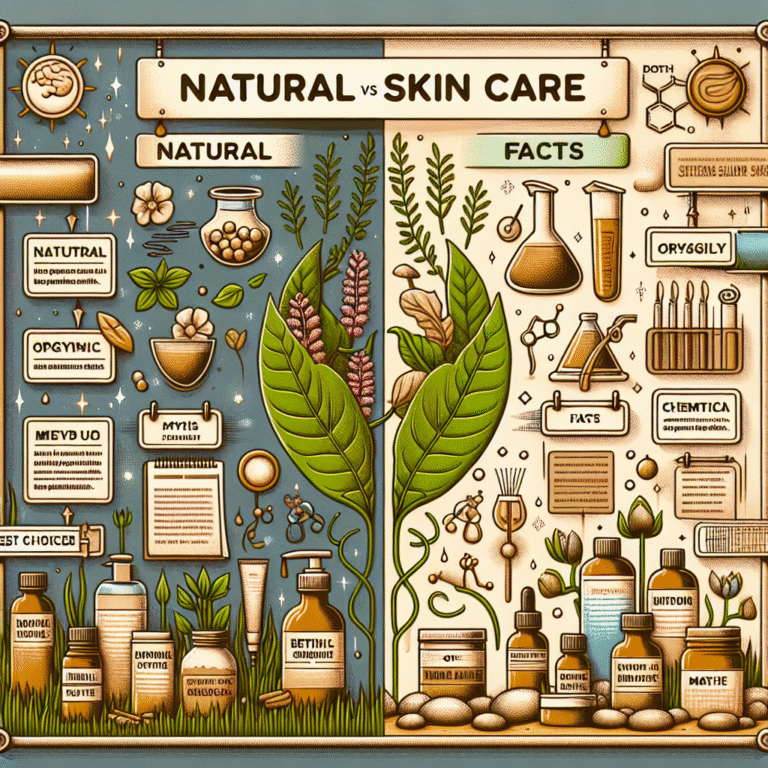
Myth #1: Natural Ingredients Are Always Better
The myth: “If it’s natural, it must be safer and more effective.”
The facts: Not all natural ingredients are gentle or even safe for your skin. Poison ivy, for example, is natural but highly irritating. Conversely, many synthetic ingredients (like certain peptides or ceramides) are engineered for optimal safety and efficacy. The key is evidence-based formulation, not origin.
Case in point: Essential oils, though popular, can cause allergic reactions and phototoxicity (source).
Expert Insight
Dr. Shari Marchbein, board-certified dermatologist, says: “A product’s safety and effectiveness depend on the ingredient’s concentration, formulation, and clinical testing—not just whether it’s natural or synthetic.”
Myth #2: Oily Skin Doesn’t Need Moisturizer
The myth: “Moisturizing will make oily skin oilier.”
The facts: Oily skin can still be dehydrated. Skipping moisturizer may prompt your sebaceous glands to produce even more oil to compensate for the lack of hydration (American Academy of Dermatology).
Look for lightweight, non-comedogenic moisturizers with ingredients like hyaluronic acid or glycerin.
Myth #3: Tanning Clears Acne
The myth: “Sun exposure helps dry out pimples.”
The facts: While a tan may temporarily mask redness, UV exposure damages skin cells, increases inflammation, and can worsen acne in the long run. It also raises your risk of skin cancer and premature aging (source).
Case Study
A 2018 study published in the Journal of the American Academy of Dermatology found that individuals who used tanning beds to clear acne reported increased scarring and post-inflammatory hyperpigmentation over time.
Myth #4: Expensive Products Work Better
The myth: “Higher price means higher quality.”
The facts: Product efficacy depends on ingredient quality, concentration, and formulation—not price tag. Some drugstore moisturizers and sunscreens outperform luxury brands in independent testing (Consumer Reports).
Tip: Focus on products with proven active ingredients (like retinoids or niacinamide) and skip the marketing hype.
Myth #5: Pores Open and Close
The myth: “Steam opens pores; cold water closes them.”
The facts: Pores don’t have muscles to open or close. Heat can temporarily soften debris inside pores, making extractions easier, but the actual size of your pores is determined by genetics and age (source).
Myth #6: Sunscreen Is Only for Sunny Days
The myth: “If it’s cloudy, you don’t need sunscreen.”
The facts: Up to 80% of UV rays can penetrate clouds. UVA rays, which cause premature aging, are present year-round and can even pass through windows (Skin Cancer Foundation).
Actionable tip: Wear broad-spectrum SPF daily, rain or shine.
Myth #7: You Can Shrink Your Pores
The myth: “Products can make pores permanently smaller.”
The facts: While certain ingredients (like retinoids and niacinamide) can reduce the appearance of pores by clearing debris and improving skin texture, they cannot alter your pore size permanently (American Academy of Dermatology).
Myth #8: Scrubbing Eliminates Blackheads
The myth: “Exfoliating with scrubs will clear blackheads.”
The facts: Over-scrubbing can irritate skin and worsen blackheads. Instead, opt for chemical exfoliants like salicylic acid or retinoids, which penetrate pores and dissolve debris (source).
Case Example
Maria, 27, used harsh face scrubs daily to clear blackheads. After switching to a gentle salicylic acid serum, her blackheads reduced significantly within weeks—without redness or irritation.
Myth #9: Anti-Aging Starts in Your 40s
The myth: “You don’t need anti-aging products until you see wrinkles.”
The facts: Preventive care is key. Dermatologists recommend starting with sunscreen and antioxidants in your 20s and 30s to help prevent damage before it appears (source).
Myth #10: Drinking Water Alone Hydrates Your Skin
The myth: “Drinking lots of water is all you need for hydrated skin.”
The facts: While hydration is important for overall health, skin hydration depends on internal water intake and proper topical moisturization. Environmental factors, age, and skin barrier health also play major roles (source).
Case Studies: Impact of Skin Care Misinformation
Case Study 1: Influencer Trends Gone Wrong
During the rise of the “DIY lemon juice mask” trend, dermatologists saw a surge in chemical burns and hyperpigmentation cases. Citric acid can disrupt skin barrier function, especially for sensitive skin. (Read more about skin barrier repair.)
Case Study 2: Over-Exfoliation Epidemic
Following viral exfoliation routines, clinics reported more patients with inflamed, sensitized skin. Overuse of acids and scrubs can strip the skin, leading to irritation and even eczema flare-ups.
How to Spot and Avoid Skin Care Myths
- Look for evidence: Seek out products and routines backed by peer-reviewed studies or expert consensus.
- Beware of anecdotal claims: What works for one person may not work for you.
- Check credentials: Trust advice from board-certified dermatologists and reputable organizations.
- Be skeptical of quick fixes: If it sounds too good to be true, it probably is.
Actionable Takeaways
- Base your skin care routine on science, not hype or hearsay.
- Use products formulated for your specific skin type and concerns.
- Always wear sunscreen, regardless of weather or season.
- Consult a dermatologist before trying new or trending products.
- Prioritize consistency and patience over quick fixes.
Further Reading
- How to Build the Best Skin Care Routine for Your Skin Type
- Understanding and Repairing Your Skin Barrier
- Complete Guide to Sun Protection
Conclusion
Separating skin care facts from fiction is crucial for healthy, radiant skin. By understanding the science and debunking skin care myths, you’ll be better equipped to make choices that truly benefit your skin—without falling for the latest fads.
Remember: When in doubt, consult the experts and rely on evidence-based advice.