
The Science Behind Skin Care Ingredients: What Dermatologists Say
With a dizzying array of products lining the shelves and bold claims flooding your social feed, it can be challenging to separate fact from fiction in skin care. But what does science actually say about the most popular skin care ingredients? In this comprehensive guide, we delve into the latest research, clinical trials, and dermatologist advice to help you make informed decisions for healthier, more radiant skin.
Why Ingredient Science Matters in Skin Care
The efficacy of any skin care product hinges on its ingredients and how they interact with your skin. Dermatologists emphasize that understanding the science of skin care ingredients—not just marketing hype—can significantly impact your results. According to Dr. Maria Chen, a board-certified dermatologist, “Knowing how ingredients work helps you avoid irritation, maximize benefits, and create a routine tailored to your unique skin needs.”
How Dermatologists Evaluate Skin Care Ingredients
Dermatologists rely on several factors to determine the efficacy and safety of skin care ingredients:
- Peer-reviewed research: Clinical studies published in reputable journals.
- Long-term safety data: Evidence from prolonged use in diverse populations.
- Mechanism of action: Understanding how an ingredient works at the cellular or molecular level.
- Formulation compatibility: How ingredients interact within a product and with other substances.
For an in-depth look at ingredient selection and formulation, see our guide on How to Read Skincare Labels.
Top Skin Care Ingredients Backed by Science
Let’s break down some of the most popular and studied skin care ingredients, what the research says, and how they can fit into your routine.
1. Retinoids (Vitamin A Derivatives)
What they are: Retinoids include retinol, tretinoin, and adapalene, all derived from vitamin A.
What the science says: Numerous clinical trials support retinoids for reducing fine lines, stimulating collagen, and treating acne. A 2015 meta-analysis in the Journal of Cosmetic Dermatology found that topical retinoids significantly improve photoaged skin.
Dermatologist advice: Start with a low concentration to minimize irritation. Use at night and wear sunscreen daily.
Practical example: Case Study: A 38-year-old with sun damage experienced visible improvement in skin texture and pigment after 12 weeks of 0.025% tretinoin cream.
2. Vitamin C (Ascorbic Acid)
What it is: A potent antioxidant that combats free radicals and brightens skin.
Research highlights: A clinical review in the Indian Dermatology Online Journal confirms vitamin C’s role in reducing hyperpigmentation and protecting against UV-induced damage. It also stimulates collagen synthesis.
Dermatologist advice: Look for serums with 10–20% L-ascorbic acid in opaque packaging to maintain stability.
Practical example: Adding a vitamin C serum helped a patient with melasma reduce dark spots by 33% over 4 months (2019, randomized controlled trial).
3. Hyaluronic Acid
What it is: A humectant naturally found in skin that attracts and retains moisture.
What the science says: According to a 2011 study in the Journal of Clinical and Aesthetic Dermatology, topical hyaluronic acid can significantly increase skin hydration and elasticity within weeks.
Dermatologist advice: Ideal for all skin types, especially dry or sensitive skin. Layer under moisturizer for best results.
Practical example: Case Study: Daily use of hyaluronic acid serum reduced dryness and improved skin plumpness in a 45-year-old patient undergoing retinoid therapy.
4. Niacinamide (Vitamin B3)
What it is: A versatile ingredient that helps regulate oil, strengthen the skin barrier, and even skin tone.
Research highlights: A 2006 double-blind study found that 5% niacinamide cream improved skin elasticity and reduced wrinkles after 12 weeks. It’s also effective for acne and redness.
Dermatologist advice: Well-tolerated, even for sensitive skin. Can be used morning and evening.
Practical example: Incorporating niacinamide helped a teen with moderate acne reduce inflammation and oiliness without irritation.
5. Ceramides
What they are: Essential lipids that form the skin’s protective barrier.
What the science says: A 2018 review in Skin Pharmacology and Physiology confirms ceramides’ role in preventing water loss and maintaining skin health, especially in eczema sufferers.
Dermatologist advice: Crucial for dry, sensitive, or aging skin. Look for moisturizers with multiple ceramide types.
Practical example: Case Study: A 6-week regimen of ceramide-rich moisturizer reduced eczema flare-ups in a 29-year-old patient by 50%.
6. Alpha Hydroxy Acids (AHAs) and Beta Hydroxy Acids (BHAs)
What they are: Chemical exfoliants that help remove dead skin cells and improve texture.
Research highlights: Clinical studies show that glycolic acid (AHA) and salicylic acid (BHA) can treat acne, brighten skin, and reduce signs of aging. A 2018 review found that 2% salicylic acid is effective for mild-to-moderate acne.
Dermatologist advice: Start slow, especially if you have sensitive skin. Always use sunscreen, as acids can increase sun sensitivity.
Practical example: Weekly use of a glycolic acid mask improved dullness and reduced fine lines in a 55-year-old client.
Understanding Ingredient Interactions and Formulation Science
The science of skin care goes beyond individual ingredients. Dermatologists stress the importance of formulation—how ingredients work together, their pH, and their stability. For example, vitamin C serums may lose potency if exposed to light or combined with certain other actives. Always check if your products are formulated to maximize efficacy and safety.
For more on combining ingredients, visit our article on How to Layer Skin Care Products.
Emerging Ingredients and Trends: What’s Worth the Hype?
New ingredients often garner attention, but not all are backed by robust research. Here are a few trending ingredients with growing evidence:
- Peptides: Short chains of amino acids with potential to boost collagen. Early studies suggest improvement in firmness and fine lines.
- Bakuchiol: A plant-based alternative to retinol. Research shows similar anti-aging effects with less irritation.
- Probiotics: Aimed at supporting a healthy skin microbiome. Some small studies indicate benefits for inflammatory skin conditions.
Dermatologists urge caution: “Look for ingredients with multiple high-quality studies before committing to a new trend,” says Dr. Henry Lopez.
Common Ingredient Myths: What Dermatologists Dispel
Despite advances in the science of skin care, myths persist. Let’s address a few:
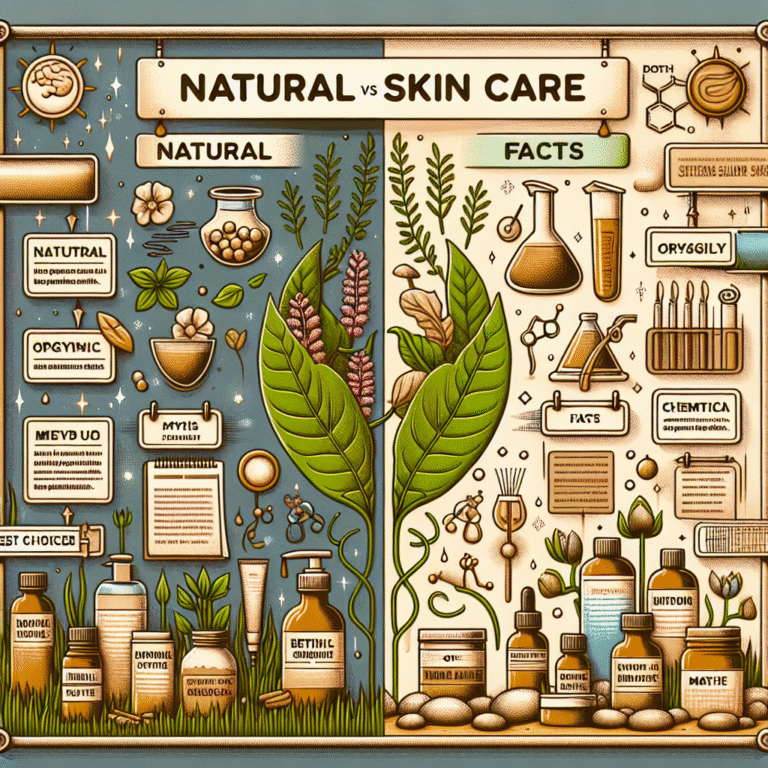
- “Natural” always means safer: Poison ivy is natural but not safe for skin! Both natural and synthetic ingredients can be effective or irritating.
- More is better: Overusing actives like retinoids or acids can damage your skin barrier. Follow dermatologist guidelines and start slow.
- Expensive means effective: Many affordable products contain clinically proven ingredients. Focus on formulation and concentration, not price tag.
How to Choose the Right Ingredients for Your Skin
With so many options, how do you build a routine? Dermatologists recommend:
- Identify your skin type and concerns: (e.g., dryness, acne, aging, sensitivity)
- Start with the basics: Gentle cleanser, moisturizer with ceramides, and a broad-spectrum sunscreen.
- Add targeted treatments: Introduce one new ingredient at a time, such as retinoids or vitamin C, and monitor for reactions.
- Consult a dermatologist: For persistent issues or ingredient sensitivities, professional advice is invaluable.
For a step-by-step guide, read our article on Building a Skin Care Routine.
Case Studies: Real-World Results with Science-Backed Ingredients
- Acne-prone skin: A 16-week trial of 2% salicylic acid reduced breakouts by 45% in teens with mild-to-moderate acne.
- Hyperpigmentation: Daily vitamin C serum combined with sunscreen faded melasma by 29% over 3 months.
- Barrier repair: Patients with eczema using a ceramide cream experienced a 50% reduction in flare-ups after 6 weeks.
Actionable Takeaways: Science-Driven Steps for Healthier Skin
- Prioritize products with clinically proven skin care ingredients, such as retinoids, vitamin C, niacinamide, and ceramides.
- Patch test new products, especially actives, to avoid irritation.
- Consistency is key—results often take weeks to months.
- Don’t mix too many actives at once. Introduce one new ingredient at a time.
- Consult a dermatologist for personalized advice, especially if you have sensitive skin or chronic skin conditions.
- For more science-backed skin care tips, explore our Science of Skin Care hub.
Conclusion: Trust Science, Not Hype
The world of skin care is vast and often confusing. By focusing on the science of skin care ingredients and seeking dermatologist advice, you can make empowered choices for your skin’s health and appearance. Remember: effective skin care is personal, evidence-based, and rooted in a balance of patience and consistency.
Want to learn more? Check out our expert guide on How to Read Skincare Labels or discover how to build a routine that works for you.