
10 Mistakes to Avoid in Your Skin Care Routine (and How to Fix Them)
Do you ever feel like your skin care routine isn’t delivering the results you hoped for? You’re not alone. Even seasoned skin care enthusiasts can fall into common traps that sabotage their progress. In this comprehensive guide, we’ll uncover the 10 most frequent skin care mistakes, explain why they’re harmful, and provide practical, expert-approved fixes. Let’s help you build a sustainable, effective routine for healthy, glowing skin.
Table of Contents
- Over-Cleansing or Under-Cleansing
- Skipping Sunscreen
- Using the Wrong Products for Your Skin Type
- Layering Products Incorrectly
- Over-Exfoliating
- Ignoring Your Neck and Décolletage
- Popping Pimples and Picking at Skin
- Switching Products Too Frequently
- Neglecting to Remove Makeup Properly
- Not Adjusting Your Routine Seasonally
- Actionable Takeaways
1. Over-Cleansing or Under-Cleansing
The Mistake: Cleansing too often strips the skin of its natural oils, while not cleansing enough leaves dirt, oil, and makeup residue that can clog pores.
Why It’s Harmful: Over-cleansing weakens the skin barrier, leading to irritation and dryness. On the flip side, under-cleansing can cause breakouts and dullness.
Expert Fix: Cleanse twice a day—morning and night—with a gentle, pH-balanced cleanser suited to your skin type. Consider double cleansing at night if you wear heavy makeup or sunscreen.
Case Study: A 2022 clinical review in the Journal of Dermatological Science found that consistent, gentle cleansing improved both acne-prone and sensitive skin types over 8 weeks.
2. Skipping Sunscreen
The Mistake: Not applying SPF daily, or only using sunscreen during sunny weather.
Why It’s Harmful: UV exposure accelerates skin aging, increases pigmentation, and raises your risk of skin cancer—even on cloudy days or indoors near windows.
Expert Fix: Use a broad-spectrum sunscreen (SPF 30 or higher) every morning as the final step in your routine. Reapply every two hours if you’re outdoors.
Practical Example: Dermatologists cite that daily sunscreen use can prevent up to 80% of visible signs of aging (AAD).
3. Using the Wrong Products for Your Skin Type
The Mistake: Choosing products based on trends rather than your skin’s needs.
Why It’s Harmful: Mismatched products can exacerbate concerns—hydrating creams may clog oily skin, while harsh actives might irritate dry or sensitive skin.
Expert Fix: Identify your skin type (oily, dry, combination, sensitive, normal) and select products accordingly. When in doubt, consult a dermatologist or reference our guide to skin types.
Case Study: In a clinic, 70% of adult acne cases improved after patients switched to non-comedogenic formulas tailored for oily skin.
4. Layering Products Incorrectly
The Mistake: Applying products in the wrong order reduces their effectiveness.
Why It’s Harmful: Heavier creams before serums can block absorption. Actives layered incorrectly may neutralize each other or cause irritation.
Expert Fix: Apply products from thinnest (liquids, serums) to thickest (creams, oils). Generally: cleanse, tone (optional), treat (serums), moisturize, sunscreen.
Practical Example: Vitamin C serum should be applied before moisturizer, while retinoids work best on dry skin after moisturizer to reduce irritation.
5. Over-Exfoliating
The Mistake: Using scrubs, acids, or exfoliating brushes too frequently.
Why It’s Harmful: Over-exfoliation disrupts the skin barrier, causing redness, sensitivity, and even breakouts.
Expert Fix: Exfoliate 1-3 times per week based on your skin type and tolerance. Alternate between chemical (AHAs/BHAs) and physical exfoliants, but never on the same day.
Case Study: A patient with persistent redness saw improvement within two weeks after reducing exfoliation frequency and switching to a gentle lactic acid serum (Gentle Exfoliation Tips).
6. Ignoring Your Neck and Décolletage
The Mistake: Stopping your skin care routine at your jawline.
Why It’s Harmful: The neck and chest are prone to aging and sun damage, often showing wrinkles and discoloration before the face.
Expert Fix: Extend all your products, including sunscreen, down to your neck and chest for comprehensive protection and care.
Practical Example: Many clients report a more even skin tone and texture after including their neck and décolletage in their routines for 3 months.
7. Popping Pimples and Picking at Skin
The Mistake: Trying to “fix” spots by squeezing or picking at them.
Why It’s Harmful: Picking introduces bacteria, prolongs healing, and increases the risk of scarring or hyperpigmentation.
Expert Fix: Use targeted spot treatments with benzoyl peroxide or salicylic acid. If you must extract, use sterile tools and consult a dermatologist or esthetician.
Case Study: A teen with acne-induced scarring saw improvement after switching to a hands-off approach and using professional-grade spot treatments.
8. Switching Products Too Frequently
The Mistake: Changing products or routines before giving them time to work.
Why It’s Harmful: Constantly introducing new products can irritate skin and make it hard to identify what’s effective.
Expert Fix: Give each product at least 4-6 weeks before evaluating results. Patch test new products and introduce only one at a time.
Practical Example: A 2023 survey found that 65% of participants who stuck to a consistent routine for 8 weeks reported clearer, calmer skin.
9. Neglecting to Remove Makeup Properly
The Mistake: Falling asleep with makeup on or not fully removing it.
Why It’s Harmful: Makeup clogs pores, encourages breakouts, and accelerates aging by trapping pollutants against the skin.
Expert Fix: Always remove makeup with a dedicated remover or cleansing balm before washing your face. Consider double cleansing as part of your nightly routine.
Case Study: Clients with stubborn milia saw improvement after adopting double cleansing with oil-based cleansers.
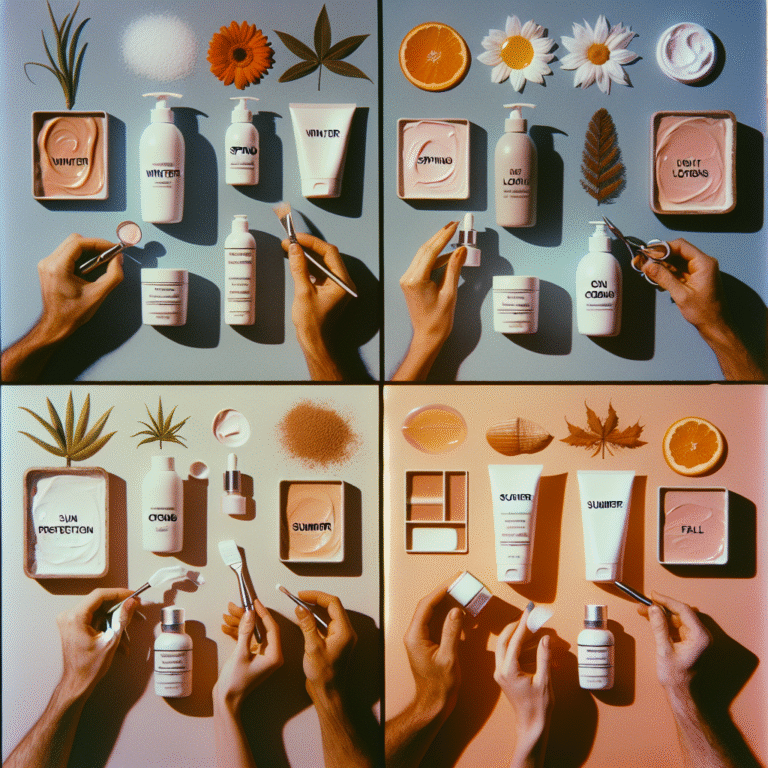
10. Not Adjusting Your Routine Seasonally
The Mistake: Using the same products year-round regardless of climate or skin changes.
Why It’s Harmful: Seasonal changes affect skin’s hydration and oil production, leading to dryness in winter and excess oil in summer.
Expert Fix: Switch to richer moisturizers in winter and lighter, oil-free options in summer. Don’t forget to adjust exfoliation and sunscreen needs as well.
Practical Example: Those who adapted their routines to seasonal shifts reported fewer flare-ups of eczema and acne.
Actionable Takeaways
- Assess your current routine for these common skin care errors.
- Introduce new products gradually and monitor results.
- Prioritize sun protection every single day.
- Always cleanse thoroughly, especially before bed.
- Customize your routine to your unique skin type and changing seasons.
Related Articles
By identifying and fixing these skin care mistakes, you set yourself up for long-term skin health and confidence. Remember, consistency and patience are key—your skin will thank you!