The Ultimate Nail Care Handbook: Fix Every Problem, Boost Your Beauty
Have you ever admired a pair of perfectly manicured hands and wondered, “How do they do it? Why can’t my nails look like that?” Whether you’re battling brittle nails, constant breakage, stubborn hangnails, or unsightly discoloration, you’re not alone. Nail care may seem simple, but achieving and maintaining healthy, beautiful nails is an art and a science—one that’s often overlooked in our daily routines.
Welcome to The Ultimate Nail Care Handbook, your comprehensive, expert-backed guide to solving every nail woe and unlocking the beauty potential at your fingertips. As a seasoned nail care specialist and beauty educator, I’ve spent years researching, testing, and perfecting the most effective routines, remedies, and products. This handbook distills professional secrets and scientific insights into actionable advice you can start using today—no salon appointment necessary.
What sets this guide apart? It’s not just another collection of quick fixes or superficial beauty tips. Here, you’ll find a holistic approach to nail health, covering everything from the root causes of common problems to step-by-step routines for lasting results. We’ll dive into the latest science on nail anatomy, nutrition, and product safety, and I’ll reveal insider techniques for both natural nails and enhancements.
Whether you’re a nail care novice or a seasoned enthusiast, this handbook is designed to empower you. You’ll learn:
- How to identify and treat every major nail issue, from peeling to fungal infections
- The building blocks of a perfect at-home manicure and pedicure
- Essential tips for maintaining strong, beautiful nails through every season
- How to choose safe, effective products—and avoid common pitfalls
- Insider advice for nail enhancements, repairs, and trendy designs
Are you ready to transform your nails—and your confidence? Let’s get started on your journey to flawless, head-turning hands and feet. Your nails are about to become your new favorite accessory!
Table of Contents
- [TOC]
- Introduction to Nail Care: Foundations for Healthy Nails
- Nail Anatomy: What Makes Up Your Nails?
- Quick Tip:
- Common Misconceptions About Nail Health
- The Science of Nail Growth
- Actionable Insights: How to Support Healthy Nail Growth
- Why Nail Care Matters for Beauty and Health
- Practical Example: A Simple Daily Nail Care Routine
- Key Takeaways for Building Healthy Nail Habits
- Understanding Nail Problems: Diagnosis and Solutions
- 1. Brittle Nails (Onychoschizia)
- Causes
- Symptoms
- Diagnosis
- Actionable Solutions
- 2. Nail Fungus (Onychomycosis)
- Causes
- Symptoms
- Diagnosis
- Actionable Solutions
- 3. Nail Discoloration
- Common Types of Discoloration
- Diagnosis
- Actionable Solutions
- 4. Nail Ridges
- Types & Causes
- Symptoms
- Diagnosis
- Actionable Solutions
- 5. Splitting & Peeling Nails
- Causes
- Symptoms
- Diagnosis
- Actionable Solutions
- 6. Less Common Nail Problems
- Diagnosis
- Actionable Solutions
- 7. When to Seek Professional Help
- 8. Practical Tips for Healthy Nails
- The Nail Care Routine: Step-by-Step Maintenance Guide
- Understanding Your Nail Type
- Daily Nail Care Routine
- Step 1: Gentle Cleansing
- Step 2: Moisturizing
- Step 3: Protection
- Step 4: Healthy Habits
- Weekly Nail Care Routine
- Step 1: Nail Trimming & Shaping
- Step 2: Cuticle Care
- Step 3: Exfoliation
- Step 4: Treatment & Strengthening
- Monthly Nail Care Routine
- Step 1: Deep Moisturizing Treatments
- Step 2: Assess Nail Health
- Step 3: Professional Care (Optional)
- Customizing Your Routine for Nail Type
- Essential Nail Care Tools & Products
- Common Mistakes to Avoid
- Quick Reference: Your Nail Care Schedule
- Final Thoughts: Consistency is Key
- Nail Nutrition: Diet and Supplements for Stronger Nails
- The Science Behind Nail Nutrition
- How Nutrients Affect Nail Health
- Key Vitamins and Minerals for Healthy Nails
- Biotin (Vitamin B7)
- Iron
- Zinc
- Vitamin C
- Omega-3 Fatty Acids
- Additional Nutrients for Nail Health
- Best Foods for Stronger, Healthier Nails
- Sample Day: Nail-Nourishing Meal Plan
- Foods and Habits to Avoid for Better Nail Health
- Lifestyle Habits That Harm Nails
- Should You Take Nail Health Supplements?
- Who Might Benefit from Supplements?
- Popular Nail Health Supplements
- Supplement Safety and Smart Practices
- Practical Tips for Nail Nutrition Success
- Summary: Nourish Your Nails from the Inside Out
- Tools & Products: What You Really Need for Nail Care
- Essential Nail Care Tools: Your Must-Have Basics
- Expert Tip:
- Advanced Tools for Next-Level Nail Care
- Building the Ideal Nail Care Product Arsenal
- 1. Nail Polish Removers
- 2. Nail Strengtheners & Treatments
- 3. Base Coats & Top Coats
- 4. Nail Polishes: Choosing Quality & Color
- 5. Hand & Nail Creams
- Smart Hygiene Practices: Protecting Your Nails & Tools
- Signs of Trouble:
- Putting It All Together: Sample Nail Care Routines
- Basic Weekly Manicure (At-Home)
- Strengthening & Repair Routine
- Professional-Quality Gel Polish at Home
- Expert Recommendations: Building Your Nail Care Kit
- Budget-Friendly Tip:
- Final Thoughts: The Right Tools Empower Beautiful Nails
- DIY Nail Treatments: Natural Remedies and At-Home Fixes
- Understanding Common Nail Issues
- Natural Nail Soaks for Strength and Vitality
- 1. Olive Oil & Lemon Nail Strengthening Soak
- 2. Green Tea & Honey Anti-Breakage Soak
- 3. Apple Cider Vinegar & Essential Oil Fungal Rescue Soak
- DIY Nail Masks: Intensive Treatments for Restoration
- 1. Coconut Oil & Vitamin E Overnight Nail Mask
- 2. Oatmeal & Milk Nail Softening Mask
- Moisturizing and Cuticle Care: Simple Home Solutions
- DIY Cuticle Oil Blend
- DIY Nail Strengtheners and Hardening Treatments
- Gelatin Nail Hardening Soak
- Safety Tips for At-Home Nail Treatments
- Expert Tips for Maximizing Results
- When to Seek Professional Help
- Conclusion: Empower Your Nail Care Routine
- Salon vs. Home Care: Making the Right Choice
- Understanding the Core Differences
- When to Choose Salon Care
- When Home Care is Ideal
- Cost Breakdown: Salon vs. Home Care
- Effectiveness: Results You Can Expect
- Salon Nail Care
- Home Nail Care
- Practical Example:
- Safety Considerations: Protecting Your Nail Health
- Salon Safety
- Potential Salon Risks
- Home Care Safety
- Home Care Precautions
- Actionable Insights: Maximizing Benefits, Minimizing Drawbacks
- How to Get the Most from Salon Visits
- How to Succeed with Home Nail Care
- When Should You Seek Expert Help?
- Summary: How to Decide What’s Right for You
- Nail Art and Beauty: Elevating Your Look Safely
- Creative Nail Art Ideas and Techniques
- Beginner-Friendly Nail Art
- Advanced Nail Art Techniques
- Practical Nail Art Tips
- Safe Application of Gels, Acrylics, and Polishes
- Gel Nail Application
- Acrylic Nail Application
- Traditional Polish Application
- Safe Removal of Gels, Acrylics, and Polishes
- Gel Nail Removal
- Acrylic Nail Removal
- Polish Removal
- How to Avoid Nail Damage
- Before Application
- During Application
- After Application
- Expert Insights for Healthy, Beautiful Nails
- Actionable Steps for Safe Nail Art and Care
- Final Thoughts: Nail Art and Beauty
- Frequently Asked Questions
- What is the best way to get started?
- How long does it take to see results?
- What tools do I need?
- Conclusion
- Related Articles
Introduction to Nail Care: Foundations for Healthy Nails
Beautiful, healthy nails are more than just a fashion statement—they reflect your overall health and can even signal underlying medical concerns. Whether you prefer a natural look or love experimenting with bold nail art, understanding the basics of nail care is the first step toward strong, resilient nails. In this section, we’ll dive deep into the anatomy of your nails, debunk persistent myths, explore the fascinating science behind nail growth, and explain why nail care is a crucial part of your self-care routine. Let’s lay the groundwork for your ultimate nail care journey.
Nail Anatomy: What Makes Up Your Nails?
To care for your nails effectively, you need to understand what they’re made of and how they function. Here’s a breakdown of the key components:
- Nail Plate: The visible, hard part of your nail that you paint or polish. It’s composed of layers of keratin, a tough protein also found in your hair and skin.
- Nail Bed: The skin beneath the nail plate. It’s rich in blood vessels, giving your nails their healthy pink color.
- Lunula: The whitish, crescent-shaped area at the nail’s base. It’s most visible on the thumb and indicates healthy growth.
- Cuticle: The thin layer of skin that protects the area between your nail and skin from infection.
- Nail Matrix: The hidden part under the cuticle where new nail cells are produced. Damage here can affect nail growth and shape.
- Nail Folds: The skin that frames and supports your nails on the sides and base.
- Hyponychium: The area under the free edge of the nail, acting as a protective barrier against bacteria and debris.
Quick Tip:
- Always be gentle around your cuticles. Cutting or pushing them back too aggressively can lead to infection and damage to the nail matrix.
Common Misconceptions About Nail Health
There’s no shortage of nail care advice floating around, but not all of it is accurate. Let’s clear up some of the most widespread myths:
- Myth 1: White spots mean you’re calcium deficient.
Fact: White spots are often due to minor trauma to the nail or, less commonly, mild zinc deficiency. They are rarely linked to calcium. - Myth 2: Nails need to ‘breathe’ without polish.
Fact: Nails are made of dead keratin—they don’t breathe. However, giving your nails a break from polish can prevent yellowing and dehydration. - Myth 3: Gel and acrylic nails always ruin your natural nails.
Fact: Damage usually results from improper application or removal. With professional care and proper aftercare, enhancements can be used safely. - Myth 4: Cutting cuticles is necessary for healthy nails.
Fact: Cuticles protect against infection. Instead of cutting, gently push them back and keep them moisturized. - Myth 5: Stronger nails mean healthier nails.
Fact: Nails should be flexible, not overly hard or brittle. Brittle nails are more prone to breakage and splits.
The Science of Nail Growth
Your nails are constantly growing, but the process is more complex than you might think. Here’s what you need to know about nail growth:
- Average Growth Rate: Fingernails grow about 3 mm (0.12 inches) per month, while toenails grow more slowly—about 1 mm per month.
- Influencing Factors: Age, genetics, nutrition, overall health, and even the dominant hand can affect growth. Nails grow faster in youth, during pregnancy, and in summer months.
- Cellular Process: New cells are produced in the nail matrix, pushing older cells forward to form the nail plate. This process relies on a healthy blood supply and adequate nutrients.
- Health Connection: Changes in nail growth or appearance can indicate health issues such as thyroid disorders, anemia, or circulatory problems.
Actionable Insights: How to Support Healthy Nail Growth
- Eat a balanced diet: Include protein, biotin-rich foods (like eggs and nuts), iron, zinc, and vitamins A, C, and E.
- Stay hydrated: Dehydration can lead to brittle, slow-growing nails.
- Protect your hands: Wear gloves when cleaning or using harsh chemicals to prevent damage.
- Moisturize regularly: Apply hand cream and cuticle oil to keep nails and surrounding skin supple.
- Practice gentle nail care: Avoid biting, picking, or aggressive filing.
Why Nail Care Matters for Beauty and Health
Nail care isn’t just about aesthetics—though well-groomed nails can absolutely boost your confidence and complement your style. It’s also an essential aspect of your overall health and hygiene.
- Prevents Infections: Regular cleaning and proper cuticle care reduce the risk of fungal and bacterial infections.
- Promotes Early Detection: Changes in nail color, texture, or shape may point to systemic health issues like diabetes, psoriasis, or nutritional deficiencies. By paying attention, you can catch problems early.
- Boosts Confidence: Healthy, attractive nails can enhance your self-image and make a positive impression.
- Supports Daily Function: Strong, flexible nails protect your fingertips and help with everyday activities like gripping, scratching, or picking up small objects.
- Complements Self-Care: Taking time for nail care is a simple yet meaningful way to practice mindfulness and prioritize your well-being.
Practical Example: A Simple Daily Nail Care Routine
- Wash your hands and nails: Use a gentle soap and a soft nail brush to remove dirt and bacteria.
- Dry thoroughly: Moist environments invite fungal infections. Always dry your hands and the spaces between your fingers and under your nails.
- Apply moisturizer: Focus on the cuticles and nail folds to prevent dryness and cracking.
- Groom gently: Use a fine-grit nail file to shape nails in one direction. Avoid metal files and aggressive filing.
- Protect your nails: Wear gloves when washing dishes or gardening.
Key Takeaways for Building Healthy Nail Habits
- Understand your nail anatomy to better care for each part.
- Be skeptical of common myths—focus on evidence-based practices.
- Support nail growth from the inside out with nutrition and hydration.
- Incorporate daily, gentle nail care habits for long-term health and beauty.
- Monitor your nails for changes—they can provide important clues about your overall health.
By mastering these foundations of nail care, you’ll be equipped to tackle any nail problem and unlock the full potential of your natural beauty. In the following sections, we’ll delve deeper into specific nail concerns, advanced care techniques, and expert tips to help you achieve your healthiest, most beautiful nails yet.
“`html
Understanding Nail Problems: Diagnosis and Solutions
Healthy nails are a sign of overall well-being, but when something goes wrong, they can be a window into both cosmetic and underlying health concerns. In this section, we’ll explore the most common and uncommon nail problems—what causes them, how to identify them, and, most importantly, what you can do to treat and prevent them. Whether you’re dealing with brittle edges, mysterious discoloration, or persistent fungal infections, this guide aims to empower you with knowledge and actionable solutions.
1. Brittle Nails (Onychoschizia)
Brittle nails are characterized by splitting, peeling, or crumbling, making nails look and feel weak. This is one of the most frequently reported nail complaints.
Causes
- Frequent exposure to water or harsh chemicals (detergents, nail polish remover)
- Repeated wetting and drying cycles
- Nutritional deficiencies (biotin, iron, zinc)
- Aging and hormonal changes
- Underlying medical conditions (hypothyroidism, anemia)
Symptoms
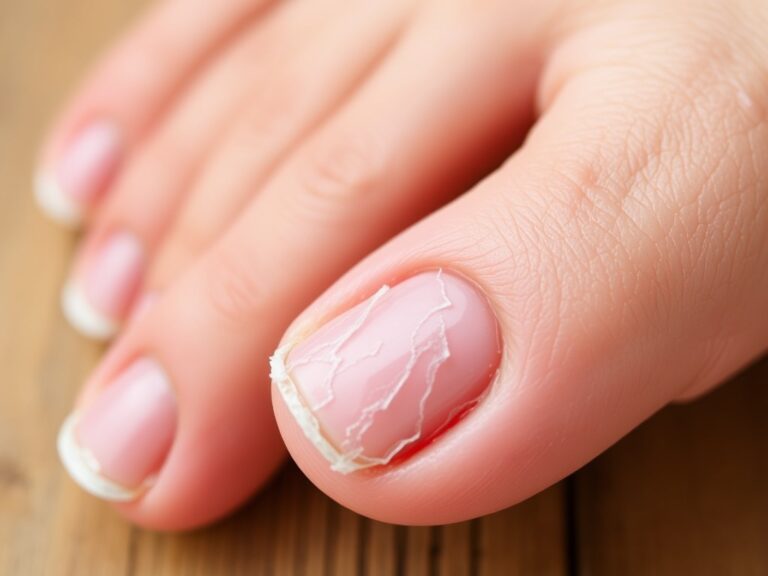
- Splitting or layering at the free edge of the nail
- Soft, thin, or easily breakable nails
- Peeling surfaces
Diagnosis
A healthcare provider may assess your diet, review your medical history, and examine your nails for patterns. In some cases, blood tests for anemia or thyroid function are recommended.
Actionable Solutions
- Minimize exposure to water and chemicals—wear gloves while cleaning.
- Moisturize nails and cuticles daily with oil or hand cream.
- Consider biotin supplements (consult your doctor first).
- Avoid excessive use of nail polish remover, especially acetone-based formulas.
- Trim nails regularly and file gently in one direction.
Example: If you notice your nails splitting after frequent swimming or dishwashing, try using gloves and applying a rich cuticle oil post-wash.
2. Nail Fungus (Onychomycosis)
Nail fungus is a stubborn, often chronic infection affecting the nail bed or plate, leading to discoloration, thickening, and crumbling.
Causes
- Dermatophyte fungi (most common)
- Yeast or mold infections
- Moist environments (public showers, sweaty shoes)
- Weakened immune system
- Toenail trauma
Symptoms
- Yellow, brown, or white nail discoloration
- Thickened or distorted nail shape
- Brittle or crumbly texture
- Foul odor
- Separation of nail from nail bed (onycholysis)
Diagnosis
Accurate diagnosis often requires a scraping or clipping of the nail to be examined under a microscope or cultured in a lab. This ensures appropriate treatment, since not all nail changes are fungal.
Actionable Solutions
- Keep feet and hands clean and dry; change socks daily.
- Use antifungal creams, lacquers, or oral medications (consult a healthcare provider).
- Disinfect nail tools regularly.
- Avoid walking barefoot in public areas.
- If you have diabetes or a compromised immune system, seek medical attention promptly.
Example: If a toenail develops yellow thickening after a pedicure at a public salon, see your doctor for a nail culture before starting over-the-counter treatments.
3. Nail Discoloration
Nail color changes can be benign or signal health issues. Understanding the context and associated symptoms is key.
Common Types of Discoloration
- Yellow Nails: Often due to fungal infections, smoking, or frequent use of dark nail polishes. Can also be a sign of respiratory issues (yellow nail syndrome).
- White Spots or Lines: Usually from minor trauma (leukonychia) or, rarely, zinc deficiency.
- Green Nails: Caused by Pseudomonas bacteria (often from prolonged exposure to moisture).
- Brown or Black Streaks: May be due to trauma, but persistent streaks could indicate melanoma—always have these checked by a dermatologist.
- Pale Nails: May reflect anemia, heart failure, or liver disease.
Diagnosis
- Review recent nail trauma, product use, and medical history.
- Lab tests or nail biopsies (for persistent or unusual discoloration).
- Assessment for systemic symptoms (fatigue, respiratory issues, skin changes).
Actionable Solutions
- Let nails “breathe” between polish applications; use base coats to prevent staining.
- Treat underlying conditions (e.g., anemia, fungal infections).
- Seek medical attention for unexplained or persistent discoloration, especially dark streaks.
- Practice good nail hygiene to prevent bacterial or fungal growth.
Example: If a greenish hue appears under an acrylic nail, remove the artificial nail and treat with topical antibiotics after consulting your doctor.
4. Nail Ridges
Ridges are lines that run vertically or horizontally across the nail. While some are harmless, others can indicate health issues.
Types & Causes
- Vertical Ridges (Longitudinal): Usually develop with age due to slower cell turnover. May be accentuated by dehydration or nutritional deficits.
- Horizontal Ridges (Beau’s Lines): Often appear after trauma, severe illness, or periods of high stress. Sometimes linked to uncontrolled diabetes, zinc deficiency, or chemotherapy.
Symptoms
- Noticeable raised or indented lines on the nail plate
- May be accompanied by nail splitting or discoloration
Diagnosis
Clinical history is key—your provider may ask about recent illness, medications, or nutritional changes.
Actionable Solutions
- Stay hydrated and maintain a balanced diet rich in vitamins and minerals.
- Moisturize nails regularly.
- Address underlying medical conditions (e.g., manage diabetes, reduce stress).
- Gentle buffing for mild vertical ridges (avoid over-buffing).
- Consult a healthcare provider for new, severe, or rapidly changing ridges.
Example: If horizontal ridges appear following a high fever, note the timing—it may help your doctor pinpoint the cause.
5. Splitting & Peeling Nails
Nail splitting (onychorrhexis) and peeling (lamellar dystrophy) are frustrating but common, often overlapping with brittle nails.
Causes
- Repeated wetting and drying
- Mechanical trauma (aggressive manicures, nail biting, picking at polish)
- Chemical exposure (cleaners, polish remover)
- Nutrient deficiencies (iron, biotin, protein)
- Underlying skin conditions (eczema, psoriasis)
Symptoms
- Layering or flaking at the tip or surface of the nail
- Rough, uneven nail edges
- Increased sensitivity or discomfort
Diagnosis
Diagnosis is often clinical, based on appearance and history of exposure to risk factors. Blood tests may rule out deficiencies.
Actionable Solutions
- File nails gently and keep them short to prevent catching and further damage.
- Apply a strengthening base coat or nail hardener (avoid formaldehyde-based products).
- Increase intake of protein, iron, and biotin-rich foods.
- Use gloves for chores and minimize water exposure.
- Address any underlying skin or health conditions.
Example: If you notice peeling after using acetone remover, switch to gentler, non-acetone formulas and add a nightly nail treatment.
6. Less Common Nail Problems
While the above issues are widespread, several less common nail disorders also warrant attention. Early recognition can lead to more effective treatment.
- Spoon Nails (Koilonychia): Nails curve upward at the edges and may indicate iron-deficiency anemia or heart disease.
- Clubbed Nails: Fingertips enlarge and nails curve over the tip, often linked to lung disease, heart problems, or gastrointestinal disorders.
- Pitting: Small depressions in the nail surface, commonly associated with psoriasis or alopecia areata.
- Terry’s Nails: Nails appear white with a narrow pink band at the tip, sometimes a sign of liver disease, congestive heart failure, or diabetes.
- Melanonychia: Brown or black pigmentation, often seen as a stripe. While some cases are benign (especially in people with darker skin), new or changing stripes should be evaluated for melanoma.
Diagnosis
- Comprehensive medical history and physical exam
- Blood tests for suspected systemic illnesses
- Nail biopsy or imaging (for suspected melanoma or structural abnormalities)
Actionable Solutions
- Seek prompt evaluation for new, dramatic, or persistent changes in nail shape or color.
- Treat underlying systemic conditions under the guidance of a healthcare provider.
- Monitor for any associated symptoms such as fatigue, breathlessness, or skin changes.
- For pitting or other texture changes, consult a dermatologist, especially if you have a history of psoriasis.
Example: If you develop spoon-shaped nails along with fatigue, ask your doctor to check your iron levels.
7. When to Seek Professional Help
While many nail problems can be managed at home, some require medical attention. Don’t ignore:
- Rapid changes in nail shape, color, or thickness
- Pain, swelling, or pus around the nail
- Dark streaks or spots with no history of trauma
- Signs of infection (redness, warmth, fever)
- Nail changes accompanied by other health symptoms (fatigue, weight loss, skin rashes)
Early intervention can prevent complications and ensure you receive the right diagnosis—especially when nail changes are the first sign of a more serious condition.
8. Practical Tips for Healthy Nails
Prevention is always better than cure. Incorporate these expert-backed habits into your routine to keep your nails strong, beautiful, and resilient:
- Keep nails clean, dry, and trimmed.
- Moisturize hands and cuticles daily.
- Eat a balanced diet rich in protein, iron, zinc, and biotin.
- Limit exposure to harsh chemicals—wear gloves as needed.
- Give your nails a break from polish and enhancements periodically.
- Use only clean, sanitized manicure tools.
- See a healthcare provider for persistent or unexplained nail changes.
Remember: Your nails are more than just a beauty statement—they’re a vital part of your health puzzle. With knowledge and a little care, you can solve most nail dilemmas and enjoy strong, beautiful nails for life.
“`
“`html
The Nail Care Routine: Step-by-Step Maintenance Guide
Consistent nail care isn’t just about aesthetics—it’s the foundation of healthy, strong, and beautiful nails. Whether you have brittle, dry, oily, or normal nails, a well-tailored nail care routine can prevent common issues like splitting, peeling, and infections. In this comprehensive guide, you’ll discover expert-recommended daily, weekly, and monthly routines for every nail type, complete with practical steps, actionable tips, and product recommendations to keep your nails in top condition.
Understanding Your Nail Type
Before diving into the routines, it’s essential to understand your nail type. Every nail type has unique needs and susceptibilities:
- Brittle Nails: Easily crack, split, or break. Often caused by dehydration or overexposure to harsh chemicals.
- Dry Nails: Feel rough or look dull. May peel or flake, especially in dry climates or after frequent washing.
- Oily Nails: Tend to look shiny and may feel slippery. Can attract dirt, leading to discoloration.
- Normal Nails: Smooth, flexible, and rarely split or break. Maintain a healthy pinkish hue.
Tip: Examine your nails after a week of minimal polish or enhancements to determine their natural state.
Daily Nail Care Routine
Your daily habits have the most significant impact on nail health. Integrating these simple steps into your routine ensures your nails stay protected and nourished.
Step 1: Gentle Cleansing
- Wash your hands and nails: Use a mild, moisturizing soap and lukewarm water. Avoid hot water, which can strip natural oils.
- Clean under the nails: Use a soft nail brush or an orange stick to gently remove dirt. Avoid sharp tools that can damage the nail bed.
Example: After gardening or cooking, soak your fingertips for 1-2 minutes to loosen debris before cleaning underneath.
Step 2: Moisturizing
- Apply hand cream or cuticle oil: Focus on the cuticles and nail plate. Look for products with ingredients like vitamin E, jojoba oil, or shea butter.
- Seal in moisture: After applying oil, wear cotton gloves for 20 minutes for deep hydration, especially if you have dry or brittle nails.
Practical Insight: Keep a travel-size hand cream in your bag to reapply after washing your hands throughout the day.
Step 3: Protection
- Wear gloves: Always wear rubber gloves when cleaning, washing dishes, or handling chemicals.
- Avoid using nails as tools: Don’t open cans, scrape off stickers, or pry objects with your nails.
- Limit water exposure: Frequent soaking weakens nails; dry hands and nails thoroughly after washing.
Expert Tip: If you work in an environment with constant exposure to water or chemicals, apply a barrier cream before wearing gloves for added protection.
Step 4: Healthy Habits
- Don’t bite your nails: Biting causes micro-tears and increases infection risk.
- Keep nails short if prone to breakage: Shorter nails are less likely to split or snag.
- Maintain a balanced diet: Foods rich in biotin, protein, and zinc support strong nails.
Quick Fix: If you catch yourself biting your nails, apply a bitter-tasting nail polish as a deterrent.
Weekly Nail Care Routine
A weekly routine is your opportunity to maintain nail shape, promote growth, and address minor concerns before they become bigger problems.
Step 1: Nail Trimming & Shaping
- Trim nails straight across: Use sharp manicure scissors or clippers. This prevents ingrown nails and uneven growth.
- File gently: Use a fine-grit file to smooth edges and shape your nails. File in one direction to avoid splitting.
- Customize to your nail type:
- Brittle nails: Keep them short and rounded to minimize breakage.
- Oily nails: Use a glass file for smoothness and precision.
- Normal nails: Experiment with different shapes (oval, squoval, round) as desired.
Actionable Insight: Disinfect your clippers and files with rubbing alcohol after each use to prevent bacteria buildup.
Step 2: Cuticle Care
- Soak your nails: Place hands in warm water for 3-5 minutes to soften cuticles.
- Gently push back cuticles: Use a cuticle pusher or orange stick. Never cut healthy cuticles, as they protect from infection.
- Apply cuticle oil: Massage in circular motions for improved circulation and hydration.
Expert Note: If you notice hangnails, trim them with sanitized cuticle nippers—never tear or bite them.
Step 3: Exfoliation
- Use a gentle scrub: Exfoliate hands and around the nail area to remove dead skin. Try a homemade mixture of sugar and olive oil.
- Buff nails lightly: If you have ridges or dullness, use a soft buffer (once a week at most) to restore shine without thinning the nail plate.
DIY Example: Mix 1 tablespoon of sugar with a few drops of jojoba oil for a nourishing scrub.
Step 4: Treatment & Strengthening
- Apply a strengthening treatment: Use a formula with proteins, keratin, or calcium. Ideal for brittle and weak nails.
- Consider nail masks: Once a week, apply a hydrating nail mask or soak nails in warm coconut oil for 10 minutes.
- Polish wisely: If you use nail polish, opt for formulas free of formaldehyde, toluene, and DBP. Use a nourishing base coat to prevent staining.
Pro Tip: Give your nails a “polish break” for one week each month to let them breathe and recover.
Monthly Nail Care Routine
Monthly rituals focus on deep nourishment, thorough assessment, and preventive care. This is your opportunity to address emerging issues and give your nails a reset.
Step 1: Deep Moisturizing Treatments
- Overnight oil soak: Apply a thick layer of cuticle oil or a nourishing balm and wear cotton gloves overnight for intense hydration.
- Paraffin wax treatment: Available at salons or for home use, this boosts moisture retention and soothes dry skin.
- Hydrating gloves or masks: Use ready-made gloves infused with shea butter or hyaluronic acid for a spa-like treatment.
Actionable Advice: Schedule your deep treatment after trimming and exfoliating for maximum absorption.
Step 2: Assess Nail Health
- Inspect for changes: Look for discoloration, thickening, or unusual spots, which may indicate fungal infections or systemic issues.
- Check cuticle condition: Persistent redness or swelling could signal an infection (paronychia) that may need medical attention.
- Monitor growth rate: A sudden change in how quickly your nails grow may reflect nutritional or health changes.
Expert Insight: If you notice persistent abnormalities, consult a dermatologist or healthcare provider for evaluation.
Step 3: Professional Care (Optional)
- Salon manicures: Opt for a reputable salon that uses sanitized tools and prioritizes gentle techniques.
- Medical pedicures: Especially beneficial for those with chronic foot or nail issues, diabetes, or ingrown toenails.
- Specialized treatments: Monthly professional strengthening or hydrating treatments can target persistent concerns.
Practical Example: If you struggle with frequent nail splitting, ask your nail technician about silk wraps or gentle overlays for added protection.
Customizing Your Routine for Nail Type
Different nail types benefit from customized care. Here’s how to tailor your routine for maximum results:
- Brittle Nails:
- Limit water exposure and use gloves for chores.
- Apply strengthening treatments with biotin or keratin weekly.
- Avoid excessive buffing and acetone-based removers.
- Dry Nails:
- Moisturize after every wash; use intensive oil soaks monthly.
- Avoid harsh soaps and sanitizers with alcohol.
- Choose hydrating base coats and polishes.
- Oily Nails:
- Clean nails thoroughly; use lightweight, non-greasy creams.
- Wipe nail plates with alcohol before applying polish for better adherence.
- Opt for breathable nail products to prevent buildup.
- Normal Nails:
- Maintain a balanced routine—don’t skip moisturizing or protection.
- Experiment with shapes and polishes, but always use a base coat.
- Monitor for changes to catch issues early.
Essential Nail Care Tools & Products
Having the right tools and products is crucial for proper nail maintenance. Here’s a checklist for your nail care kit:
- Sharp nail clippers or manicure scissors
- Fine-grit nail file (glass or crystal recommended)
- Cuticle pusher and nippers
- Nail buffer (soft, for occasional use)
- Soft nail brush
- Cotton pads and cotton gloves
- Cuticle oil or balm
- Hand cream or nourishing lotion
- Moisturizing soap
- Non-acetone nail polish remover
- Base coat and top coat
- Optional: Nail masks, paraffin wax kit, hydrating gloves
Maintenance Tip: Clean and disinfect your tools regularly to prevent the spread of bacteria and fungi.
Common Mistakes to Avoid
- Over-filing or buffing: Thins nails and increases risk of splitting.
- Cutting cuticles: Removes the natural barrier against infection.
- Skipping moisturizer: Leads to dryness, peeling, and hangnails.
- Ignoring early signs of infection: Delays healing and can lead to complications.
- Using nails as tools: Causes micro-damage and breakage.
- Leaving polish on too long: Can cause discoloration and weaken nails.
Quick Reference: Your Nail Care Schedule
| Frequency | Routine | Key Actions |
|---|---|---|
| Daily | Cleansing, Moisturizing, Protection |
|
| Weekly | Trimming, Shaping, Exfoliation, Treatments |
|
| Monthly | Deep Moisturizing, Assessment, Professional Care |
|
Final Thoughts: Consistency is Key
A dedicated nail care routine transforms the look and health of your nails, but the real secret is consistency. By following these expert steps—customized to your unique nail type—you’ll not only prevent common problems but also boost your natural beauty and confidence. Make nail care a mindful self-care ritual, and you’ll see stronger, smoother, and more radiant nails month after month.
“`
“`html
Nail Nutrition: Diet and Supplements for Stronger Nails
Beautiful, resilient nails aren’t just the result of good grooming—they’re a reflection of your overall health, starting with what you eat. Nutrition plays a pivotal role in nail strength, growth, and appearance. Whether you’re dealing with brittle, splitting, or slow-growing nails, optimizing your diet and considering targeted supplements can make a transformative difference.
The Science Behind Nail Nutrition
Your nails are made primarily of keratin, a structural protein. Healthy nail growth relies on a steady supply of key vitamins, minerals, and macronutrients. Deficiencies in certain nutrients often first show up in your nails: ridges, discoloration, fragility, or slow growth can all be warning signs.
How Nutrients Affect Nail Health
- Protein: Essential for keratin production, the building block of nails.
- Vitamins: Certain B vitamins, vitamin C, vitamin A, and vitamin E contribute to nail strength and growth.
- Minerals: Iron, zinc, magnesium, calcium, and selenium are crucial for maintaining nail integrity and preventing brittleness.
- Essential fatty acids: Omega-3s help maintain nail moisture and flexibility.
Key Vitamins and Minerals for Healthy Nails
Below are the most impactful nutrients for nail health, along with their roles and best dietary sources.
Biotin (Vitamin B7)
- Role: Boosts keratin infrastructure, improves thickness, reduces splitting and brittleness.
- Sources: Eggs (especially yolks), almonds, sweet potatoes, spinach, salmon, sunflower seeds.
- Tip: Biotin supplementation (2.5 mg daily) has been shown in studies to significantly improve nail strength and growth for people with brittle nails.
Iron
- Role: Prevents spoon-shaped or ridged nails resulting from anemia.
- Sources: Red meat, poultry, seafood, lentils, spinach, tofu, fortified cereals.
- Tip: Pair plant-based iron sources with vitamin C-rich foods (like citrus or bell peppers) to enhance absorption.
Zinc
- Role: Supports cell division and growth, crucial for nail repair and development.
- Sources: Oysters, beef, pumpkin seeds, chickpeas, cashews, whole grains.
- Tip: White spots on the nails can sometimes indicate zinc deficiency.
Vitamin C
- Role: Vital for collagen formation, which gives nails strength and structure.
- Sources: Oranges, strawberries, kiwi, bell peppers, broccoli, Brussels sprouts.
- Tip: Since vitamin C is water-soluble and not stored in the body, aim for daily intake through fresh fruits and vegetables.
Omega-3 Fatty Acids
- Role: Keep nails hydrated, flexible, and less prone to splitting.
- Sources: Fatty fish (salmon, mackerel, sardines), flaxseeds, chia seeds, walnuts.
- Tip: If you don’t eat fish, consider an algae-based omega-3 supplement.
Additional Nutrients for Nail Health
- Vitamin A: Promotes cell growth; found in carrots, sweet potatoes, and leafy greens.
- Vitamin E: Moisturizes nails and cuticles; found in almonds, sunflower seeds, and avocados.
- Magnesium: Helps protein synthesis; found in leafy greens, nuts, and whole grains.
- Calcium: Supports nail strength; found in dairy, fortified plant milks, and leafy greens.
- Selenium: Antioxidant that protects nail matrix; found in Brazil nuts, eggs, and seafood.
Best Foods for Stronger, Healthier Nails
Building a nail-friendly diet is about consistency and variety. Here are foods to prioritize:
- Eggs: Rich in biotin and protein, both vital for nail growth.
- Salmon: Provides omega-3s, high-quality protein, and vitamin D.
- Nuts and Seeds: Almonds, walnuts, chia seeds, and pumpkin seeds offer zinc, vitamin E, and healthy fats.
- Leafy Greens: Spinach, kale, and Swiss chard are loaded with magnesium, iron, and vitamin A.
- Legumes: Beans, lentils, and chickpeas supply protein, iron, and zinc.
- Sweet Potatoes: High in beta-carotene (a precursor to vitamin A) and biotin.
- Citrus Fruits: Oranges, grapefruits, and lemons are vitamin C powerhouses.
- Whole Grains: Brown rice, oats, and quinoa provide B vitamins and magnesium.
- Dairy or Fortified Alternatives: Excellent sources of calcium and vitamin D.
Sample Day: Nail-Nourishing Meal Plan
- Breakfast: Scrambled eggs with spinach, whole-grain toast, and orange slices.
- Lunch: Quinoa salad with chickpeas, kale, cherry tomatoes, pumpkin seeds, and lemon-tahini dressing.
- Snack: Greek yogurt with berries and walnuts.
- Dinner: Grilled salmon, roasted sweet potatoes, and steamed broccoli.
Foods and Habits to Avoid for Better Nail Health
Just as some foods support nail health, others can hinder it. Be mindful of these dietary pitfalls:
- Highly Processed Foods: Refined sugars and flours can displace nutrients essential for nail growth.
- Excessive Alcohol: Alcohol can interfere with nutrient absorption (especially zinc and B vitamins).
- Low-Calorie/Fad Diets: Severely restricting calories often leads to deficiencies that quickly manifest in the nails.
- Frequent Soda or Energy Drinks: These may leach calcium and magnesium from your body.
- Too Much Caffeine: Large amounts can interfere with iron and calcium absorption.
Lifestyle Habits That Harm Nails
- Skipping meals or crash dieting
- Chronic dehydration (not drinking enough water)
- Smoking (which impairs blood flow and nutrient delivery to the nails)
Should You Take Nail Health Supplements?
While a balanced diet is the foundation of healthy nails, certain individuals can benefit from supplements—especially if they have dietary restrictions, health conditions, or persistent nail problems. Here’s what you need to know:
Who Might Benefit from Supplements?
- People with diagnosed deficiencies (e.g., iron, zinc, biotin, or vitamin D)
- Vegans/vegetarians who may struggle to get enough biotin, iron, or omega-3s
- Individuals with malabsorption issues (like celiac or Crohn’s disease)
- Those experiencing brittle, splitting, or slow-growing nails despite a healthy diet
Popular Nail Health Supplements
- Biotin: Often recommended for brittle nails; clinical doses are 2.5 mg daily, but always consult your doctor before starting.
- Collagen Peptides: May improve nail growth and reduce breakage in some people.
- Multivitamin: A balanced multivitamin can fill in any dietary gaps.
- Iron and Zinc: Only supplement if blood tests confirm a deficiency, as excess can be harmful.
- Omega-3s: Fish oil or algae oil capsules can support hydration and flexibility.
Supplement Safety and Smart Practices
- Consult with a healthcare provider before starting any new supplement, especially if you have pre-existing conditions or take medications.
- Look for third-party tested brands to ensure purity and correct dosage.
- Be patient—visible results in your nails may take 3-6 months, as nails grow slowly (about 3 mm per month).
- Avoid “mega-dosing”—more isn’t always better and can sometimes be toxic.
Practical Tips for Nail Nutrition Success
- Hydrate: Drink plenty of water daily; dehydration quickly leads to brittle nails.
- Balance Your Diet: Aim for a colorful plate with a variety of whole foods.
- Snack Smart: Keep nuts, seeds, or roasted chickpeas on hand for on-the-go nutrition.
- Prepare Meals Ahead: Batch-cook proteins and grains so you always have building blocks for healthy nails ready.
- Monitor Your Nails: Take photos monthly to track progress and spot improvements or setbacks.
- Don’t Ignore Warning Signs: Persistent changes in nail appearance may signal underlying health issues—see a healthcare provider if you notice dramatic changes.
Summary: Nourish Your Nails from the Inside Out
Healthy, strong nails are a product of both your beauty routine and your nutritional habits. By focusing on a nail-supportive diet—rich in protein, vitamins, minerals, and healthy fats—you give your nails the resources they need to grow thick, smooth, and resilient. Supplements can be helpful, but are best used to address specific deficiencies. Remember, real results take consistency and patience, but your nails will thank you for the care you put on your plate.
“`
Tools & Products: What You Really Need for Nail Care
Nail care is so much more than a bottle of polish and a basic clipper. With the right tools and products, you can transform your nail health, fix common issues, and achieve salon-quality results at home. In this section, we’ll break down essential and advanced nail care tools, compare the best products for every step—from cleaning to treating to beautifying—and offer expert recommendations to build your ultimate nail care kit.
Essential Nail Care Tools: Your Must-Have Basics
If you’re starting your nail care journey or want to streamline your routine, focus on these core tools. Quality matters—choose well-made, durable products for best results and hygiene.
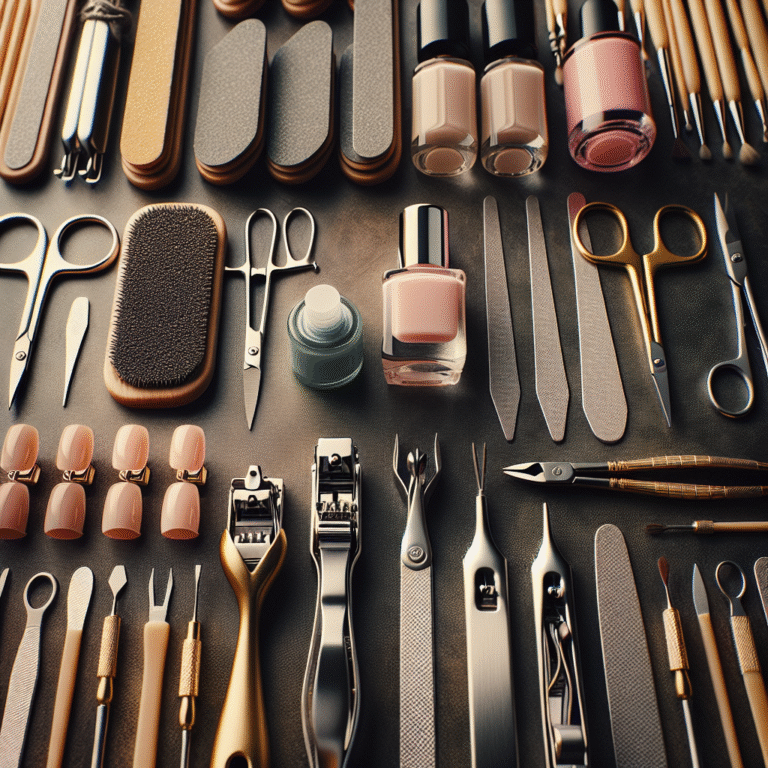
- Nail Clippers: The foundation of any kit, look for stainless steel clippers with a sharp, curved blade for fingernails and a straight edge for toenails. Example: Seki Edge Stainless Steel Nail Clipper.
- Nail File/Emery Board: Glass files are gentle, long-lasting, and prevent splitting. Emery boards are affordable and effective for quick shaping. Example: OPI Crystal Nail File.
- Cuticle Pusher: Gently nudges back cuticles for a tidy nail bed. Choose a stainless steel or silicone-tipped version. Example: Tweezerman Dual Sided Pushy.
- Cuticle Nipper: For trimming hangnails and stray cuticle edges (never cut healthy cuticle). Example: Revlon Cuticle Nipper.
- Buffer Block: Smooths ridges and brings a natural shine to nails. Example: Onsen Professional Buffer Block.
- Soft Nail Brush: Cleans under nails and removes debris without damaging skin. Example: Tweezerman Nail Brush.
Expert Tip:
- Disinfect metal tools regularly by soaking in isopropyl alcohol for at least 10 minutes.
- Replace files and buffers every 3–6 months, or sooner if worn down.
Advanced Tools for Next-Level Nail Care
For those ready to take their nail game further, consider these specialized tools. They’re especially useful for addressing specific concerns or achieving professional-level results at home.
- Electric Nail File/Drill: Ideal for gentle shaping, removing gel polish, or managing thickened nails (especially toenails). Recommended: MelodySusie Portable Electric Nail Drill.
- Nail Art Brushes: For creative designs, fine lines, and intricate details. Look for a set with varied tip sizes. Recommended: Beetles Nail Art Brushes Set.
- UV/LED Lamp: Essential for curing gel polish. Choose a lamp that matches your preferred system (UV or LED). Recommended: SUNUV 48W UV LED Nail Lamp.
- Silicone Nail Soak Caps: Makes gel polish removal gentler and more efficient than foil wraps. Recommended: Makartt Soak Off Nail Clips.
Building the Ideal Nail Care Product Arsenal
Products can make or break your nail health. Choose wisely by focusing on your goals: protection, strengthening, hydration, or beautification.
1. Nail Polish Removers
Removers are not all created equal. The right formula can cleanly remove polish without leaving nails brittle or dry.
- Acetone-Based Removers: Highly effective for stubborn polish and gel, but can be drying if overused. Best for: Quick removal, glitter polish, gel/SNS.
- Non-Acetone Removers: Gentler on nails and skin, ideal for regular polish changes. Best for: Those with sensitive nails, frequent users.
Expert Picks:
- Zoya Remove+ Nail Polish Remover: Non-drying, effective for most polishes.
- Cutex Ultra-Powerful Nail Polish Remover: Acetone-based, great for tough jobs.
2. Nail Strengtheners & Treatments
Frequent breakage, peeling, or splitting? Add a treatment to fortify your nails. Look for formulas with nourishing ingredients like keratin, biotin, and plant oils.
- Nail Hardener: Prevents soft, weak nails from bending or tearing. Recommended: OPI Nail Envy.
- Cuticle Oil: Hydrates and protects nail beds for growth and flexibility. Recommended: CND SolarOil.
- Repair Treatments: Target damage from gels/acrylics or brittle nails. Recommended: Nailtiques Formula 2 Protein Treatment.
3. Base Coats & Top Coats
A quality base coat creates a smooth surface, prevents staining, and anchors color. A top coat seals polish, adds shine, and increases longevity.
- Base Coat: Recommended: Orly Bonder Rubberized Basecoat.
- Top Coat: Recommended: Seche Vite Dry Fast Top Coat (for shine and quick drying), Essie Gel Couture Top Coat (for extended wear).
4. Nail Polishes: Choosing Quality & Color
Quality polish applies smoothly, resists chipping, and is gentle on nails. Look for “3-free,” “5-free,” or “10-free” formulas (meaning they’re free of common toxic chemicals).
- Classic Polish: Recommended: Essie, OPI, Zoya.
- Gel Polish: Ideal for long wear and shine; requires curing lamp. Recommended: Gelish, Beetles Gel Polish.
- Breathable/Strengthening Polish: For those prone to damage. Recommended: Orly Breathable Treatment + Color.
Pro Tip: Rotate between classic and treatment polishes to allow nails to “breathe” between gel or acrylic applications.
5. Hand & Nail Creams
Hydration is key to strong, beautiful nails. Use creams rich in glycerin, shea butter, and vitamin E.
- Daily Moisturizer: Recommended: Neutrogena Norwegian Formula Hand Cream.
- Intensive Repair: Recommended: Burt’s Bees Almond & Milk Hand Cream.
- SPF Hand Cream: Protects from sun-induced aging/staining. Recommended: Supergoop! Handscreen SPF 40.
Smart Hygiene Practices: Protecting Your Nails & Tools
Even the best tools can harbor bacteria and fungus if not properly cared for. Safe, hygienic habits are the backbone of healthy nail care.
- Disinfect Tools: Wipe metal implements with isopropyl alcohol before and after each use.
- Don’t Share: Avoid sharing nail tools, files, or polish with others to prevent cross-contamination.
- Clean Under Nails: Use a soft-bristled brush daily, especially after gardening or cooking.
- Store Properly: Keep tools in a dry, closed container to prevent rust and contamination.
Signs of Trouble:
- Redness, swelling, pain, or pus around nails—these may signal infection. Discontinue home treatments and see a healthcare professional if symptoms persist.
- White or yellow spots, thickening, or crumbling nails can indicate fungus; use antifungal treatment or consult a doctor.
Putting It All Together: Sample Nail Care Routines
Basic Weekly Manicure (At-Home)
- Remove old polish with a gentle remover.
- Trim and shape nails with clippers and a glass file.
- Soak hands in warm, soapy water for 2–3 minutes to soften cuticles.
- Gently push back cuticles; trim only hangnails if needed.
- Buff nail surface lightly (optional).
- Apply a nourishing cuticle oil and hand cream.
- Finish with a base coat, two coats of polish, and a quick-dry top coat.
Strengthening & Repair Routine
- Use a nail strengthener or protein treatment as directed (usually 1–2x per week).
- Apply cuticle oil nightly to promote flexibility and prevent splits.
- Limit acetone-based remover to no more than once weekly.
- Wear gloves when cleaning or doing dishes to protect nails from harsh chemicals and moisture loss.
Professional-Quality Gel Polish at Home
- Prep nails as above, ensuring they are clean and oil-free.
- Apply a thin layer of gel base coat; cure under UV/LED lamp.
- Apply two layers of gel color, curing each layer.
- Finish with gel top coat; cure thoroughly.
- Wipe away any sticky residue (if needed) with alcohol.
- Hydrate cuticles with oil.
Expert Recommendations: Building Your Nail Care Kit
Here’s a concise checklist to cover every need, whether you’re a minimalist or a nail enthusiast:
- For Everyone:
- Stainless steel nail clipper and glass file
- Cuticle pusher and nipper
- Smoothing buffer block
- Gentle nail brush
- Non-acetone remover
- Base and top coat
- Cuticle oil
- Hand/nail cream
- For Advanced Users:
- Electric nail drill
- UV/LED lamp
- Gel polishes
- Nail art brushes
- Soak-off caps
Budget-Friendly Tip:
Invest in a few high-quality essentials and upgrade over time. Clean, well-maintained tools last for years and are worth the upfront cost.
Final Thoughts: The Right Tools Empower Beautiful Nails
With the proper tools and products, nail care becomes a pleasure—not a chore. Prioritize quality, maintain hygiene, and choose formulas that support your unique nail goals. By building a routine around the essentials and a few advanced upgrades, you’ll enjoy healthier, stronger, and more beautiful nails every day.
For more on technique, troubleshooting common problems, and expert beauty-boosting tips, explore the rest of our Ultimate Nail Care Handbook.
“`html
DIY Nail Treatments: Natural Remedies and At-Home Fixes
Your nails are more than just a canvas for polish—they’re an important indicator of your overall health and a vital part of self-care. If you’re struggling with brittle, splitting, discolored, or weak nails, you don’t have to rely solely on store-bought products or salon visits. There’s a treasure trove of effective, natural remedies you can whip up at home, using ingredients you probably already have in your kitchen. In this section, we’ll cover step-by-step recipes for natural nail soaks, masks, and treatments that address a wide range of nail concerns. Plus, you’ll find expert safety tips to ensure your at-home nail care rituals are both safe and effective.
Understanding Common Nail Issues
- Brittle or splitting nails: Often caused by dehydration, frequent exposure to water, or harsh chemicals.
- Yellowing or discoloration: Can result from staining polishes, smoking, fungal infections, or underlying health issues.
- Weak or peeling nails: May signal vitamin deficiencies, overuse of nail enhancements, or lack of moisture.
- Dry cuticles: Frequently occur due to washing hands excessively or using drying sanitizers.
Before starting any treatment, it’s vital to pinpoint the underlying cause of your nail concerns. If you notice persistent changes, pain, or infection, consult a healthcare provider.
Natural Nail Soaks for Strength and Vitality
Nail soaks are a gentle, effective way to infuse your nails and cuticles with nourishing ingredients. Here are tried-and-true recipes for different needs:
1. Olive Oil & Lemon Nail Strengthening Soak
- Perfect for: Brittle, weak nails prone to breaking
- Why it works: Olive oil deeply moisturizes, while lemon juice helps brighten stains and boost strength.
Ingredients:
- 2 tablespoons extra virgin olive oil
- 1 tablespoon fresh lemon juice
Directions:
- Mix the olive oil and lemon juice in a small bowl.
- Warm the mixture slightly (about 10 seconds in the microwave; ensure it’s not too hot).
- Soak your fingertips for 10–15 minutes.
- Massage the oil into your nails and cuticles before rinsing with lukewarm water.
- Repeat 2–3 times a week for best results.
Expert Tip: Avoid using lemon juice on cracked skin or open wounds, as it can sting.
2. Green Tea & Honey Anti-Breakage Soak
- Perfect for: Peeling, splitting nails
- Why it works: Green tea is rich in antioxidants; honey is a natural humectant that locks in moisture.
Ingredients:
- 1 cup brewed green tea (cooled)
- 1 teaspoon raw honey
Directions:
- Stir honey into the cooled tea until fully dissolved.
- Soak your nails for 10–15 minutes.
- Pat dry and apply a gentle moisturizer afterward.
- Use 1–2 times a week.
3. Apple Cider Vinegar & Essential Oil Fungal Rescue Soak
- Perfect for: Mild discoloration, early signs of nail fungus
- Why it works: Apple cider vinegar helps restore pH balance and has mild antifungal properties. Tea tree oil is a natural antimicrobial.
Ingredients:
- ½ cup raw apple cider vinegar
- ½ cup water
- 3 drops tea tree essential oil
Directions:
- Mix all ingredients in a glass bowl.
- Soak your nails for 10 minutes.
- Rinse and dry thoroughly, especially between fingers and toes.
- Repeat daily for up to 2 weeks.
Expert Tip: If you notice increased redness, pain, or spreading discoloration, see a dermatologist—do not rely solely on home remedies for severe fungal infections.
DIY Nail Masks: Intensive Treatments for Restoration
Nail masks deliver a concentrated dose of nutrients directly to your nails and cuticles, helping to restore health and resilience.
1. Coconut Oil & Vitamin E Overnight Nail Mask
- Perfect for: Dry, brittle nails and rough cuticles
- Why it works: Coconut oil penetrates deeply, and vitamin E promotes healing and growth.
Ingredients:
- 1 tablespoon organic coconut oil
- 1 capsule vitamin E (or 5 drops vitamin E oil)
Directions:
- Warm the coconut oil until just melted.
- Puncture the vitamin E capsule and mix with the oil.
- Apply generously to nails and cuticles.
- Slip on cotton gloves and leave the mask on overnight.
- Wash hands in the morning. Repeat 2–3 times a week.
Practical Tip: If you don’t have gloves, wrap your hands loosely in a clean towel to avoid getting oil on bedding.
2. Oatmeal & Milk Nail Softening Mask
- Perfect for: Hard, inflexible nails; rough, dry cuticles
- Why it works: Oatmeal soothes and softens; milk’s lactic acid gently exfoliates and hydrates.
Ingredients:
- 2 tablespoons finely ground oatmeal
- 2 tablespoons whole milk (or almond milk for sensitivity)
- 1 teaspoon honey (optional)
Directions:
- Mix oatmeal and milk until a thick paste forms. Add honey if desired.
- Apply to clean nails and cuticles, massaging gently.
- Leave on for 15–20 minutes.
- Rinse with lukewarm water and pat dry.
- Moisturize afterward.
Moisturizing and Cuticle Care: Simple Home Solutions
Healthy cuticles are essential for strong nails. Here’s how to keep them soft and protected using natural methods:
- Sweet Almond Oil Massage: Massage a drop of sweet almond oil into each nail and cuticle nightly.
- Shea Butter Balm: Warm a small amount of shea butter between your fingers and apply to cuticles for intense hydration.
- Aloe Vera Soothing Gel: Apply pure aloe gel to irritated or inflamed cuticles to calm and heal.
DIY Cuticle Oil Blend
- Ingredients:
- 1 tablespoon jojoba oil
- 1 tablespoon sweet almond oil
- 2 drops lavender essential oil
- 2 drops tea tree essential oil
- Directions:
- Mix all oils in a small glass bottle with a dropper.
- Apply a drop to each cuticle and massage in gently.
- Use daily for best results.
DIY Nail Strengtheners and Hardening Treatments
If your nails bend or split easily, consistent strengthening treatments can make a world of difference. Here’s a simple, natural formula:
Gelatin Nail Hardening Soak
- Perfect for: Thin, flexible nails lacking structure
- Why it works: Gelatin is packed with proteins that can help reinforce the nail matrix.
Ingredients:
- 1 packet unflavored powdered gelatin
- 1 cup warm water
Directions:
- Dissolve the gelatin in warm water.
- Soak fingertips for 10–15 minutes.
- Repeat 2–3 times a week for a month, then once a week for maintenance.
Note: While some studies question the efficacy of topical gelatin for nails, many find this soak helpful as part of an overall nail care routine.
Safety Tips for At-Home Nail Treatments
- Patch test: Always test new mixtures on a small area of skin before full application to check for allergic reactions.
- Clean tools: Use sanitized bowls, brushes, and files to avoid introducing bacteria or fungi.
- Avoid harsh ingredients: Don’t use undiluted essential oils directly on nails or skin; always dilute with a carrier oil.
- Monitor for irritation: If you develop redness, swelling, or pain, discontinue use and consult a healthcare professional.
- Be gentle: When pushing back cuticles or filing, use light pressure to avoid damaging the nail bed.
- Keep nails dry after soaks: Dry thoroughly after treatments to prevent fungal growth.
Expert Tips for Maximizing Results
- Consistency is key: Natural remedies require regular use—set reminders for your weekly nail care rituals.
- Moisturize after every wash: Keep a small tube of hand cream or cuticle oil by every sink in your home.
- Protect your hands: Wear gloves for chores involving water, chemicals, or soil.
- Balanced diet: Support your nail health from within by eating protein-rich foods, leafy greens, and omega-3 fatty acids.
- Give your nails a break: Let nails go polish-free for a few days between manicures to recover and breathe.
When to Seek Professional Help
While DIY treatments can address many common nail woes, some symptoms require medical attention:
- Persistent pain, swelling, or discharge
- Sudden color changes (black, blue, or green nails)
- Severe, spreading fungal infections
- Nail separation from the nail bed
If you notice any of these signs, schedule a visit with a dermatologist or healthcare provider. Home remedies are best for mild to moderate issues—not for serious or persistent problems.
Conclusion: Empower Your Nail Care Routine
DIY nail treatments offer a customizable, cost-effective, and holistic approach to nail care. By understanding your unique nail needs and choosing the right natural remedies, you can achieve stronger, healthier, and more beautiful nails right at home. Remember: patience and consistency are your best allies. Treat your nails kindly, and they’ll reward you with resilience and radiance.
“`
Salon vs. Home Care: Making the Right Choice
When it comes to nail care, one of the most common dilemmas is deciding between professional salon services and do-it-yourself (DIY) home care. Each option offers unique advantages and potential drawbacks, depending on your goals, lifestyle, budget, and nail health. In this section, we’ll break down the key differences between salon and home nail care, including cost, effectiveness, safety, and when it’s best to seek expert help. By understanding these factors, you’ll be empowered to make the right choice for your nails, every time.
Understanding the Core Differences
Both salon and home nail care can yield beautiful results, but the processes and outcomes can differ significantly. Here’s a quick overview:
- Salon Care: Professional services performed by trained nail technicians, using specialized tools and products in a controlled environment.
- Home Care: Self-administered nail treatments using at-home kits, tools, or natural remedies, with varying levels of expertise.
When to Choose Salon Care
- For special occasions (weddings, events, holidays)
- If you desire advanced nail art, acrylics, or gel extensions
- When tackling persistent nail problems (fungus, severe damage, ingrown nails)
- When you want a luxurious, relaxing experience and professional pampering
When Home Care is Ideal
- For regular maintenance (trimming, filing, simple polish)
- If you’re budget-conscious and have time to learn techniques
- When you prefer natural or less harsh products
- For quick fixes and ongoing nail health routines
Cost Breakdown: Salon vs. Home Care
Cost is often a deciding factor. Here’s what you can expect to invest in each approach:
| Service | Salon Average Cost (per session) | Home Care Average Cost (per session) |
|---|---|---|
| Basic Manicure | $20 – $40 | $2 – $8 |
| Gel Manicure | $30 – $60 | $5 – $15 (with kit) |
| Acrylic Extensions | $40 – $80 | $10 – $30 (with kit) |
| Nail Art | $5 – $20 (add-on) | $1 – $5 (DIY tools) |
| Cuticle Care | Included or $5 – $10 | Minimal (DIY tools or oils) |
- Salon Care: Higher upfront and ongoing costs, but includes expertise, products, and ambiance.
- Home Care: Lower per-session cost, but may require investment in tools and learning curve.
Effectiveness: Results You Can Expect
Salon Nail Care
- Professional Finish: Smooth, long-lasting polish and even shaping.
- Advanced Techniques: Access to gel, acrylic, dip powder, and intricate nail art.
- Customized Care: Technicians assess your nail health and personalize treatments.
- Consistent Quality: Predictable outcomes, especially for complex services.
Home Nail Care
- Personalized Routine: Tailor your regimen to your needs, using preferred products.
- Learning Opportunity: Improve skills with practice; experiment with trends at your own pace.
- Variable Results: Quality may fluctuate based on your experience and tools.
- Flexibility: Convenient for touch-ups and maintenance between salon visits.
Practical Example:
If you want a flawless gel manicure with custom nail art for a special event, the salon offers the expertise and equipment for best results. For routine upkeep—like filing, buffing, or a simple polish change—DIY home care is cost-effective and convenient.
Safety Considerations: Protecting Your Nail Health
Nail care isn’t just about aesthetics—proper technique is crucial for safety and long-term nail health. Here’s how the two approaches compare:
Salon Safety
- Sanitization: Reputable salons follow strict hygiene protocols, sterilizing tools and workspaces to reduce infection risk.
- Expertise: Trained technicians can spot early signs of nail disorders and avoid harsh techniques.
- Allergy Awareness: Technicians may offer hypoallergenic or sensitive-skin products.
Potential Salon Risks
- Inadequate sanitization can expose clients to fungal or bacterial infections.
- Overuse of electric files or harsh chemicals can thin or damage the nail plate.
- Allergic reactions to certain products if sensitivities are not communicated.
Home Care Safety
- Control: You control which tools and products touch your skin and nails.
- Lower Exposure: Less risk of cross-contamination from shared tools.
- Learning Curve: Beginners may accidentally over-file or cut cuticles, increasing infection risk.
Home Care Precautions
- Always sanitize your tools before and after use.
- Follow instructions for all products carefully—especially gels and removers.
- Avoid cutting cuticles aggressively; instead, use cuticle remover and a pusher.
- If redness, pain, or swelling occurs, pause treatments and consult a professional.
Actionable Insights: Maximizing Benefits, Minimizing Drawbacks
How to Get the Most from Salon Visits
- Research salons for licenses, reviews, and hygiene practices.
- Communicate preferences and allergies to your technician.
- Schedule regular but not excessive appointments to allow nails to recover.
- Request gentle techniques, especially if you have weak or damaged nails.
How to Succeed with Home Nail Care
- Invest in quality tools (glass file, stainless steel cuticle pusher, buffer).
- Start with basic routines before progressing to advanced techniques.
- Watch tutorials from reputable nail experts for guidance.
- Keep products organized and discard anything past its expiry date.
- Moisturize nails and cuticles regularly, especially after polish removal.
When Should You Seek Expert Help?
There are circumstances when professional intervention is not just preferable—it’s essential. Here’s when to book a salon visit or consult a medical professional:
- Recurring Nail Problems: Chronic splitting, peeling, or discoloration that doesn’t improve with home care.
- Signs of Infection: Redness, swelling, pus, or persistent pain around nails or cuticles.
- Ingrown Nails: Especially if the area is painful or appears infected.
- Allergic Reactions: Rash, severe itching, or blisters after using nail products.
- Complex Nail Enhancements: Acrylics, gels, or intricate nail art you can’t safely replicate at home.
If you’re ever in doubt about a nail issue, err on the side of caution and seek professional advice. Early intervention can prevent complications and ensure your nails remain strong and beautiful.
Summary: How to Decide What’s Right for You
- For luxury and advanced treatments, salons offer expertise and safety—at a higher cost.
- For regular maintenance or budget-friendly care, home routines are effective with proper preparation and know-how.
- Prioritize safety—sanitization, gentle techniques, and recognizing when something’s wrong are always more important than aesthetics.
- Combine both approaches for optimal results: regular home care with periodic professional check-ins.
Ultimately, the best nail care regimen is one that fits your lifestyle, meets your beauty goals, and safeguards your health. Whether you prefer the pampering of a salon or the empowerment of DIY, making informed choices will help you enjoy gorgeous, resilient nails every day.
“`html
Nail Art and Beauty: Elevating Your Look Safely
Nail art is more than a fun trend—it’s a creative way to express your personal style and boost your confidence. Whether you love intricate designs or classic polish, the right techniques and care can keep your nails healthy and beautiful. In this section, you’ll find expert advice on safe nail art, proper application and removal of gels and acrylics, and how to enjoy stunning nails without causing damage.
Creative Nail Art Ideas and Techniques
Nail art offers endless possibilities, from minimalist designs to bold, statement looks. Here are some popular techniques and tips to inspire your next manicure:
Beginner-Friendly Nail Art
- Polka Dots: Use a dotting tool or the tip of a bobby pin to create playful dots on a contrasting base color.
- Accent Nail: Paint one nail (often the ring finger) with glitter or a different shade for a chic, subtle twist.
- Stripes: Apply striping tape over dry polish and paint a second color on top for clean, crisp lines.
- Ombre/Fade: Blend two or more colors using a makeup sponge for a smooth gradient effect.
Advanced Nail Art Techniques
- Stamping: Use a stamping kit with etched plates to transfer intricate patterns onto nails.
- Marble Effect: Drop different colors into water, swirl with a toothpick, then dip your nail for a marbled look.
- 3D Embellishments: Add rhinestones, studs, or decals for texture and glamour (apply with nail glue and seal with top coat).
- Hand-Painted Art: Use fine brushes to paint delicate designs like flowers, geometric shapes, or abstract art.
Practical Nail Art Tips
- Always start with a base coat to protect your natural nails from staining.
- Let each layer dry thoroughly to prevent smudging and bubbles.
- Finish with a high-quality top coat for shine and longevity.
- Clean up edges with a small brush dipped in acetone for a professional finish.
- Use non-toxic, low-odor polishes when possible, especially if painting frequently.
Safe Application of Gels, Acrylics, and Polishes
While salon-quality nails are stunning, improper application can lead to irritation, allergic reactions, or long-term nail damage. Follow these expert-approved steps to maintain both beauty and nail health:
Gel Nail Application
- Gently buff the nail surface for better adhesion—don’t over-file, which can thin the nail plate.
- Apply a dehydrator and primer to remove oils and improve bonding.
- Use thin, even coats of gel polish, curing each layer under an LED or UV lamp as directed by the product instructions.
- Seal the free edge to prevent premature chipping.
- Finish with a nourishing cuticle oil to keep skin hydrated.
Expert Tip: Always wear sunscreen or fingerless gloves during UV lamp curing to protect your skin from potential UV exposure.
Acrylic Nail Application
- Sanitize your hands and tools to prevent infection.
- Push back cuticles and gently roughen the nail surface.
- Apply nail forms or tips as needed for length and shape.
- Mix acrylic liquid and powder, then sculpt onto the nail, working quickly to shape before it sets.
- Allow to dry completely, then file and shape as desired.
- Finish with polish or nail art, and always moisturize afterward.
Expert Tip: Never apply acrylics to nails that are thin, peeling, or damaged. Give your natural nails time to recover first.
Traditional Polish Application
- Start with clean, dry nails—remove any oils or residue.
- Apply a base coat, followed by two thin coats of color, and a top coat for protection.
- Let each layer dry completely to minimize smudging.
- Use quick-dry drops or sprays to speed up the process if needed.
Expert Tip: Rotate your polishes regularly and keep lids tightly closed to prevent thickening. If polish thickens, revive it with a few drops of nail polish thinner (never acetone).
Safe Removal of Gels, Acrylics, and Polishes
Improper removal is a leading cause of nail damage. Avoid picking, peeling, or forcefully scraping off enhancements. Here’s how to remove each type safely:
Gel Nail Removal
- Lightly file the top layer to break the seal of the top coat.
- Soak cotton pads in pure acetone and place over each nail.
- Wrap each finger in foil and allow to soak for 10–15 minutes.
- Gently push off softened gel with a wooden stick or cuticle pusher—never force it.
- Buff away remaining residue and moisturize nails and cuticles thoroughly.
Expert Tip: Take breaks between gel manicures to let your natural nails recover and rehydrate.
Acrylic Nail Removal
- File down the top layers to reduce thickness.
- Soak nails in acetone (use a soak bowl or wrap method) for 20–30 minutes.
- Check and gently push off softened acrylic—repeat soaking if needed.
- Wash hands thoroughly and apply a fortifying nail treatment afterward.
Expert Tip: Avoid prying or pulling acrylics off, as this can cause serious damage to the natural nail bed.
Polish Removal
- Use an acetone-free remover for regular polish to minimize drying out nails and skin.
- Press a remover-soaked pad onto the nail for a few seconds before wiping to dissolve stubborn colors.
- Wash hands and moisturize immediately after removal.
Expert Tip: Consider using reusable cotton pads or soft cloths to reduce waste during removal.
How to Avoid Nail Damage
Healthy nails are the foundation of beautiful nail art. Here’s how to protect your nails before, during, and after any enhancement:
Before Application
- Assess your nail health—skip enhancements if your nails are weak, thin, or peeling.
- Prep nails by gently pushing back cuticles—never cut them aggressively, as this can open the door to infection.
- Apply a strengthening base coat or treatment regularly.
- Keep your tools clean and sanitized to prevent bacterial or fungal infections.
During Application
- Avoid filing nails too thin; a healthy nail plate provides better support for enhancements.
- Don’t let products touch the skin or cuticles—this can cause irritation or allergic reactions.
- Follow manufacturer instructions for curing times and product use.
- Choose products free of harsh chemicals like formaldehyde, toluene, and dibutyl phthalate (DBP) when possible.
After Application
- Moisturize nails and cuticles daily with oil or rich hand cream.
- Wear gloves for household chores to protect your manicure and prevent exposure to harsh chemicals.
- Take regular breaks from enhancements to allow nails to breathe and recover.
- Watch for signs of infection (redness, swelling, pain) and seek professional care if needed.
Expert Insights for Healthy, Beautiful Nails
- Balance Beauty and Health: Enjoy creative nail art, but always prioritize the health of your natural nails. Overuse of extensions or harsh products can lead to brittleness and thinning.
- Invest in Quality: Higher-quality products and tools are less likely to cause adverse reactions or damage.
- Know When to Seek Help: If you notice persistent nail problems—such as discoloration, thickening, or separation—consult a dermatologist or nail technician trained in nail health.
- Stay Educated: Nail techniques and products evolve. Stay up to date with safe practices by following reputable sources and professionals.
Actionable Steps for Safe Nail Art and Care
- Always prep nails properly before any application—clean, file, and hydrate.
- Use gentle, non-damaging techniques for both application and removal.
- Moisturize after every manicure, especially after using acetone-based removers.
- Take breaks between enhancements to restore natural nail resilience.
- Prioritize professional products and reputable salons for complex techniques.
- Monitor your nails’ health and make adjustments as needed.
Final Thoughts: Nail Art and Beauty
Nail art is a joyful, empowering form of self-expression. With the right knowledge and habits, you can enjoy beautiful, creative nails while preserving their health and strength. Remember: safe, mindful practices are the secret to nails that look great today—and for years to come.
“`
Frequently Asked Questions
What is the best way to get started?
Begin with the fundamentals covered in this guide and gradually progress to more advanced techniques.
How long does it take to see results?
Results vary depending on your starting point and dedication, but consistent application of these strategies typically shows improvement within weeks.
What tools do I need?
This guide covers both free and premium tools, with recommendations for different skill levels and budgets.
Conclusion
This comprehensive guide provides you with the knowledge and strategies needed for success. Remember to apply these concepts consistently and continue learning as you progress.
Related Articles
Explore these detailed guides to master specific aspects:
- How to Fix Brittle Nails: Causes, Solutions, and Prevention
- Nail Fungus Demystified: Treatments That Actually Work
- Natural Nail Care: The Best DIY Treatments for Healthy Nails
- Gel vs. Acrylic Nails: Pros, Cons, and Best Practices
- The Science of Nail Growth: How to Grow Nails Faster and Stronger
- Best Nail Care Tools: Reviews and Expert Recommendations
- Nail Discoloration: Causes, Fixes, and When to See a Doctor
- Nail Art Trends: Inspiration and Step-by-Step Tutorials