Nail Fungus Demystified: Treatments That Actually Work
Nail fungus, medically known as onychomycosis, is one of the most common nail disorders worldwide. If you’ve noticed thickened, discolored, or brittle nails, you might be dealing with a stubborn fungal infection. This comprehensive guide breaks down what nail fungus is, why it’s so hard to treat, and—most importantly—what treatments actually work, including over-the-counter options, prescription medications, and proven home remedies. We’ll also share actionable tips and real-life case studies to help you make informed choices for healthy, clear nails.
What Is Nail Fungus (Onychomycosis)?
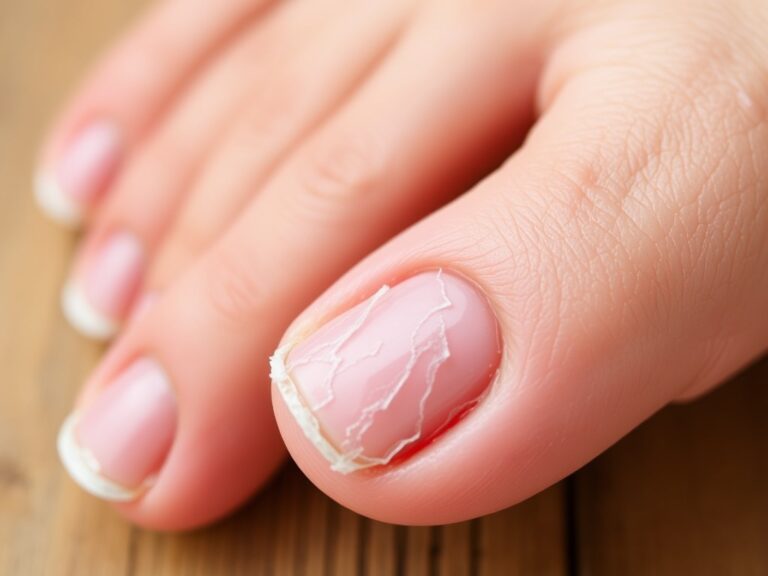
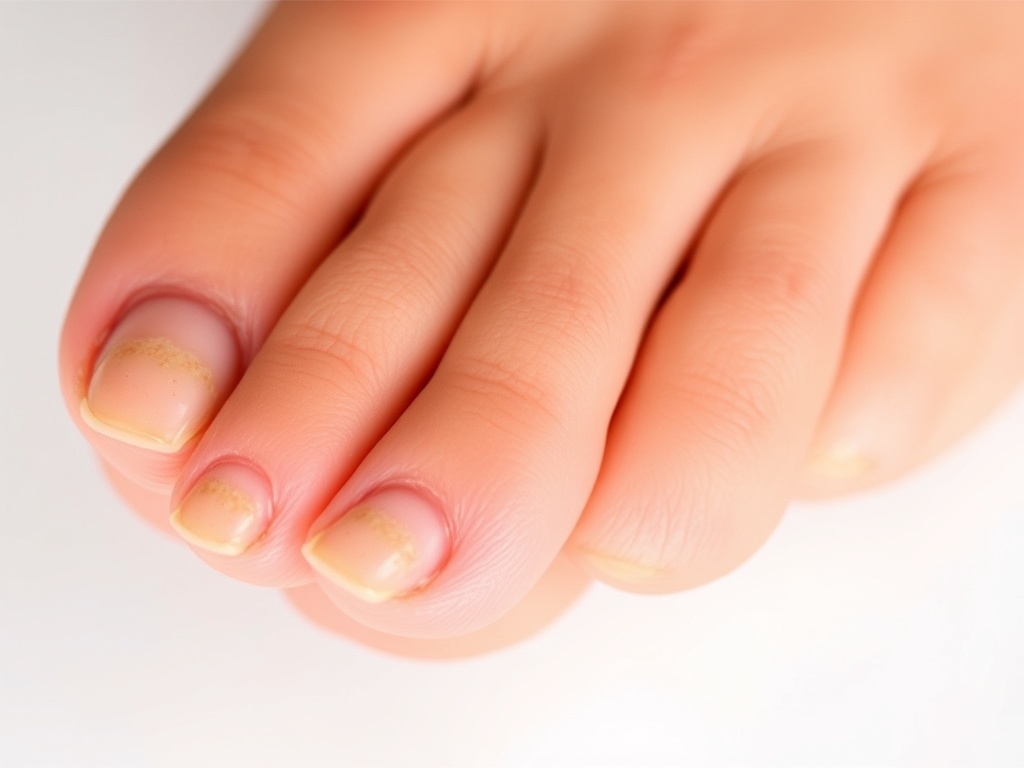
Nail fungus is a fungal infection that affects the fingernails or toenails. It’s caused primarily by dermatophytes, but yeasts and molds can also be culprits. The infection typically begins as a white or yellow spot under the nail tip and can spread deeper, causing the nail to thicken, discolor, and even crumble at the edge.
- Prevalence: Onychomycosis affects up to 14% of the general population, with toenails more commonly involved than fingernails.
- Risks: Factors such as age, athlete’s foot, diabetes, compromised immunity, and frequent exposure to damp environments increase susceptibility.
- Symptoms: Thickened nails, discoloration (yellow, brown, or white), brittle or crumbly texture, distorted shape, foul odor, and in severe cases, pain.
Why Is Nail Fungus So Hard to Treat?
The nail plate acts as a barrier, making it difficult for treatments to penetrate and eradicate the fungus. Additionally, the slow growth of nails means therapy often takes several months. Relapse rates are high, especially if underlying risk factors persist.
Common Misconceptions
- Myth: Nail fungus is just a cosmetic problem.
- Fact: While it often starts as a cosmetic issue, untreated onychomycosis can lead to pain, secondary bacterial infections, and spread to other nails.
Types of Nail Fungus Treatments
There are three main categories of fungal nail treatment:
- Over-the-counter (OTC) topical treatments
- Prescription medications (oral and topical)
- Home remedies with scientific backing
1. Over-the-Counter Topical Treatments
OTC antifungal nail lacquers and creams can be effective for mild to moderate infections, particularly when the fungus hasn’t penetrated deeply.
- Common OTC ingredients: Clotrimazole, undecylenic acid, and amorolfine.
- Application tips: File the nail surface before applying to improve penetration. Apply daily for at least 6-12 months.
- Effectiveness: Success rates are modest (10-30%), but early-stage infections respond best.
Example: A 2022 review in the Journal of Fungi found that amorolfine 5% lacquer achieved clinical improvement in 30% of patients after 6 months of use.
2. Prescription Medications
For moderate to severe cases, prescription options are often required.
Oral Antifungals
- Terbinafine (Lamisil): Considered the gold standard. Taken daily for 6-12 weeks. Cure rates up to 70-80% for toenails.
- Itraconazole (Sporanox): Suitable for patients unable to take terbinafine. Pulse dosing (one week per month for 3 months) is common.
- Fluconazole: Sometimes used off-label. Taken weekly for several months.
Side Effects: Oral antifungals can affect the liver; blood tests may be required. Discuss risks with your healthcare provider.
Topical Prescription Treatments
- Ciclopirox (Penlac): Applied daily; works best for mild to moderate cases.
- Efinaconazole (Jublia) and Tavaborole (Kerydin): Newer topical agents with improved nail penetration. Apply daily for 48 weeks.
Case Study: Maria, 55, had a stubborn toenail infection unresponsive to OTC products. Her doctor prescribed oral terbinafine, and after 4 months, her nail was clear and healthy. She continued topical maintenance to prevent recurrence.
3. Home Remedies: What Actually Works?
Many home remedies are popular, but few have solid scientific support. Here are some with the most evidence:
- Tea Tree Oil: Studies show mild to moderate improvement with daily application. Use a 100% pure oil, but beware of skin irritation.
- Vicks VapoRub: Contains camphor and eucalyptus oil, both with antifungal properties. Anecdotal reports and small studies suggest some benefit.
- Ozonized Oils: Ozone-infused sunflower oil has shown promise in early trials.
Important: Home remedies are most effective in early, superficial infections. Severe or persistent cases need medical intervention.
Advanced and Alternative Treatments
- Laser Therapy: FDA-cleared lasers target fungus with heat. Studies show mixed results, and treatments can be expensive.
- Surgical Removal: Reserved for severe, painful, or resistant cases. The affected nail is removed to allow for regrowth.
Practical Prevention Tips
- Keep nails trimmed, clean, and dry
- Wear moisture-wicking socks and breathable shoes
- Avoid walking barefoot in communal showers or pools
- Disinfect nail clippers and footwear regularly
- Avoid sharing nail care tools
When to See a Doctor
If your nail fungus is spreading, causing pain, or not improving after several months of self-treatment, see a podiatrist or dermatologist. People with diabetes or compromised immunity should seek professional advice promptly.
Actionable Takeaways
- Start treatment early for the best chance of success.
- Combine topical and oral medications for stubborn cases, as advised by your doctor.
- Maintain good foot hygiene to prevent recurrence.
- Be patient—nail fungus treatment requires consistency and time.
- Consult a healthcare professional for persistent, painful, or recurring infections.
Internal Resources
- How to Prevent Nail Fungus: Expert Strategies
- Topical vs. Oral Fungal Nail Treatments: What Works Best?
Conclusion
While onychomycosis can be persistent and frustrating, a range of treatments are available—from OTC products to prescription medications and select home remedies. Early intervention, consistency, and good hygiene are key to effective fungal nail treatment. If in doubt, seek expert advice to reclaim healthy, confident nails.