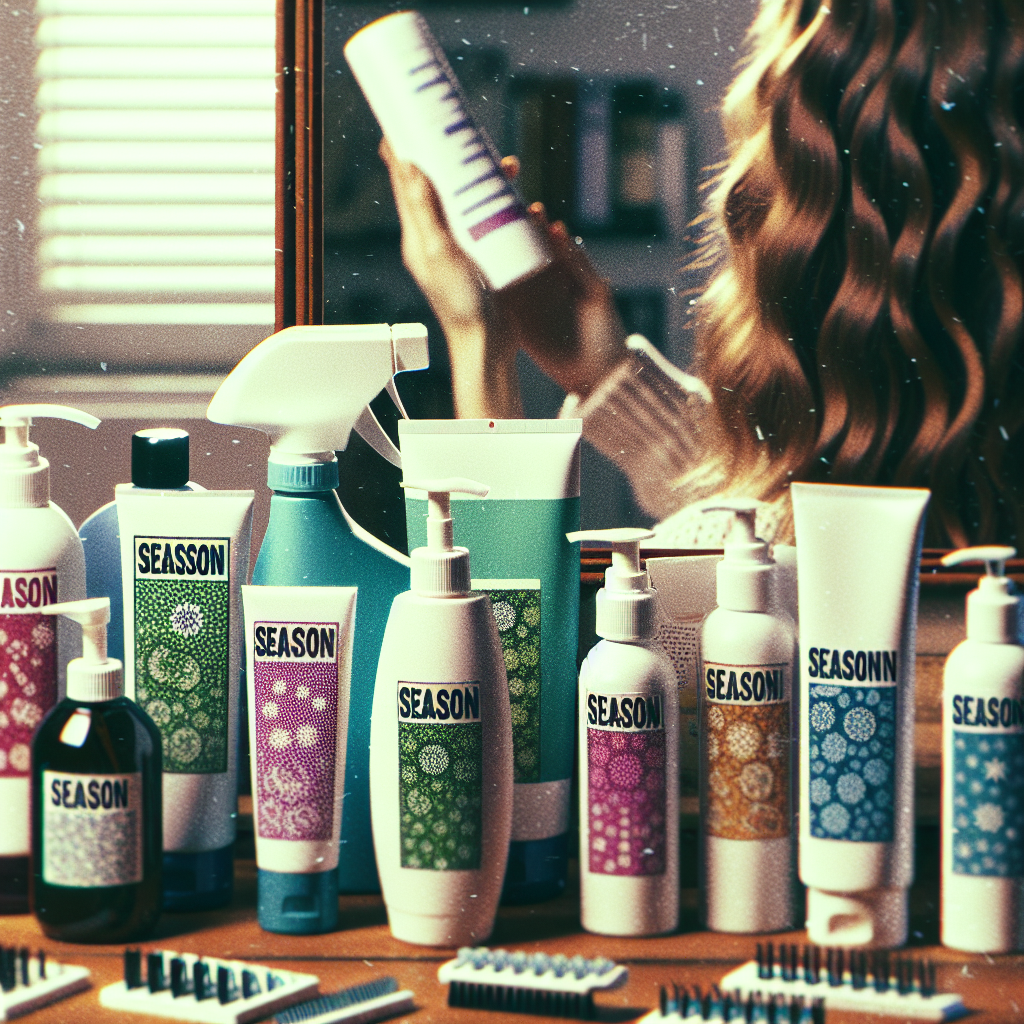
Seasonal Hair Care: Adjusting Your Routine for Weather Changes
Just like your skin, your hair is affected by seasonal changes in temperature, humidity, and environmental conditions. Understanding how to adapt your hair care regimen throughout the year is essential for maintaining healthy, vibrant hair. In this expert guide, we’ll dive deep into seasonal hair care—how summer sun, winter dryness, humidity, and dry climates impact your hair, plus actionable tips and real-life examples to help you protect your locks all year long.
Why Seasonal Hair Care Matters
Each season brings unique challenges for your hair. From summer’s UV rays to winter’s harsh winds, environmental factors can strip moisture, weaken strands, and cause breakage or frizz. Adapting your routine is key to preventing weather-related damage and keeping your hair at its best.
- Summer: UV exposure, sweat, and chlorine can dry out and fade hair.
- Winter: Dry air and indoor heating sap moisture, causing static and brittle strands.
- Humidity: Excess moisture in the air can lead to frizz and limpness.
- Dry climates: Persistent dryness can make hair dull and more prone to breakage.
Read on to learn how to tailor your hair care for every season and prevent common problems with expert-backed solutions.
Summer Hair Care: Protection from Sun, Sweat, and Chlorine
Challenges for Hair in Summer
Summer brings sun exposure, increased sweating, and frequent swimming—all of which can dehydrate hair and make it vulnerable to damage. UV rays break down hair proteins, causing color fading and dryness, while chlorine and saltwater strip natural oils.
Expert Hair Care Tips for Summer
- Wear a hat or scarf: This simple barrier shields hair from direct UV damage and prevents color fading.
- Use SPF hair products: Leave-in conditioners or sprays with UV filters add a layer of protection.
- Rinse hair before swimming: Wetting your hair first helps minimize absorption of chlorine or saltwater.
- Clarify gently: Use a mild clarifying shampoo once a week to remove product, chlorine, and sweat buildup.
- Deep condition regularly: Weekly hydrating masks restore lost moisture and elasticity.
Case Study: Beach Vacation Hair Rescue
Emily, an avid surfer, noticed her hair was becoming straw-like every summer. By switching to a hydrating shampoo, applying a UV-protectant spray, and wearing a wide-brimmed hat, she saw a 50% reduction in breakage and split ends by the end of the season.
Takeaway:
Invest in protection—both physical (hats) and product-based (UV sprays)—and focus on replenishing moisture to combat summer stressors.
Winter Hair Care: Battling Dryness and Static
Common Winter Hair Problems
Cold weather and indoor heating zap moisture from your hair, leading to static, split ends, and breakage. Hats and scarves can cause friction, making hair more fragile.
Winter Hair Care Tips
- Switch to a hydrating shampoo and conditioner: Look for products with oils or humectants like glycerin and argan oil.
- Limit hot water: Wash hair with lukewarm water to avoid further dryness.
- Use a humidifier: Adding moisture to indoor air helps keep hair hydrated.
- Apply leave-in conditioner: Protects against static and breakage.
- Minimize heat styling: Air-dry when possible to prevent further moisture loss.
Case Study: Static-Free Winter Hair
David struggled with flyaways and static every January. By adding a leave-in conditioner and sleeping with a humidifier, he saw smoother hair and fewer split ends throughout the winter.
Takeaway:
Hydration is your winter hair hero—opt for moisture-rich products, avoid excessive heat, and don’t forget to hydrate your environment too.
Managing Hair in Humid Climates
How Humidity Affects Hair
Humidity swells the hair shaft, causing cuticles to lift and leading to frizz, puffiness, and limpness. Curly hair is especially prone to humidity-induced frizz.
Humidity-Proof Hair Care Tips
- Use anti-frizz serums: Silicones or natural oils can help smooth the cuticle and repel moisture.
- Choose lightweight styling products: Heavy creams can weigh hair down when the air is moist.
- Seal with a cool rinse: Finishing your wash with cold water helps close the hair cuticle.
- Try protective hairstyles: Braids, buns, or twists reduce surface area exposed to humidity.
Case Study: Frizz-Free Curls in the Tropics
Jasmine lives in Florida and struggled with frizzy curls. After switching to a glycerin-free gel and incorporating a weekly apple cider vinegar rinse, her curls stayed defined—even on the most humid days.
Takeaway:
Focus on smoothing and sealing the hair cuticle. The right anti-frizz products and hairstyles can make humidity manageable.
Caring for Hair in Dry Climates
The Impact of Dry Air on Hair
Dry climates (think deserts or wintery regions with low humidity) can strip hair of its natural oils, leading to brittleness and dullness.
Hair Care Tips for Dry Environments
- Limit washing: Shampooing too often removes essential oils. Try washing 2-3 times a week.
- Use oil treatments: Apply argan, coconut, or jojoba oil to the ends to seal in moisture.
- Protect overnight: Sleep on a silk pillowcase and use a satin bonnet to minimize friction and moisture loss.
- Deep condition often: Weekly intensive masks are crucial for restoring elasticity.
Case Study: Healthy Hair in the High Desert
Sophia, living in Arizona, experienced constant split ends. By adopting weekly hot oil treatments and reducing wash frequency, her hair became noticeably softer and more resilient within two months.
Takeaway:
Moisture retention is vital in dry climates. Emphasize oil treatments and reduce washing to support hair health.
Adapting Your Hair Care Routine Throughout the Year
Customizing your routine as the seasons change doesn’t have to be complicated. Here’s a seasonal hair care calendar you can use as a guide:
| Season | Focus | Key Products |
|---|---|---|
| Spring | Detox & Strengthen | Gentle clarifying shampoo, protein treatments |
| Summer | Protect & Hydrate | SPF spray, hydrating masks, UV-protectant leave-in |
| Autumn | Repair & Nourish | Rich conditioners, scalp treatments, oil blends |
| Winter | Moisturize & Defend | Humectant-rich shampoo/conditioner, leave-in, humidifier |
Actionable Takeaways for Year-Round Healthy Hair
- Assess your hair’s needs as seasons change—don’t stick to a single routine year-round.
- Prioritize moisture in winter and dry climates, and protection in summer.
- Use physical barriers (hats, scarves) and targeted products (SPF, anti-frizz serum) for weather-specific challenges.
- Limit heat styling and harsh treatments during extreme conditions.
- Consider professional trims and scalp treatments as part of your seasonal reset.
Further Reading and Related Resources
- Best Hair Masks for Dry Hair
- How to Choose the Right Shampoo for Your Hair Type
- Scalp Care: The Foundation of Healthy Hair
- 10 Essential Hair Care Tips for Summer
- Ultimate Guide to Winter Hair Care
Frequently Asked Questions
- How often should I wash my hair in different seasons?
- In summer, you may need to wash more frequently due to sweat and buildup. In winter and dry climates, reduce washing to preserve natural oils.
- Do I need different hair products for each season?
- Adapting your products seasonally—such as switching between lightweight and rich formulas—can help address weather-specific concerns.
- Can the same tips be applied to all hair types?
- While everyone should protect and hydrate their hair, curly, straight, and color-treated hair may need tailored approaches. Experiment and consult a stylist for personalized advice.
By following these expert seasonal hair care strategies, you’ll be better equipped to maintain strong, shiny hair—no matter what the weather brings!