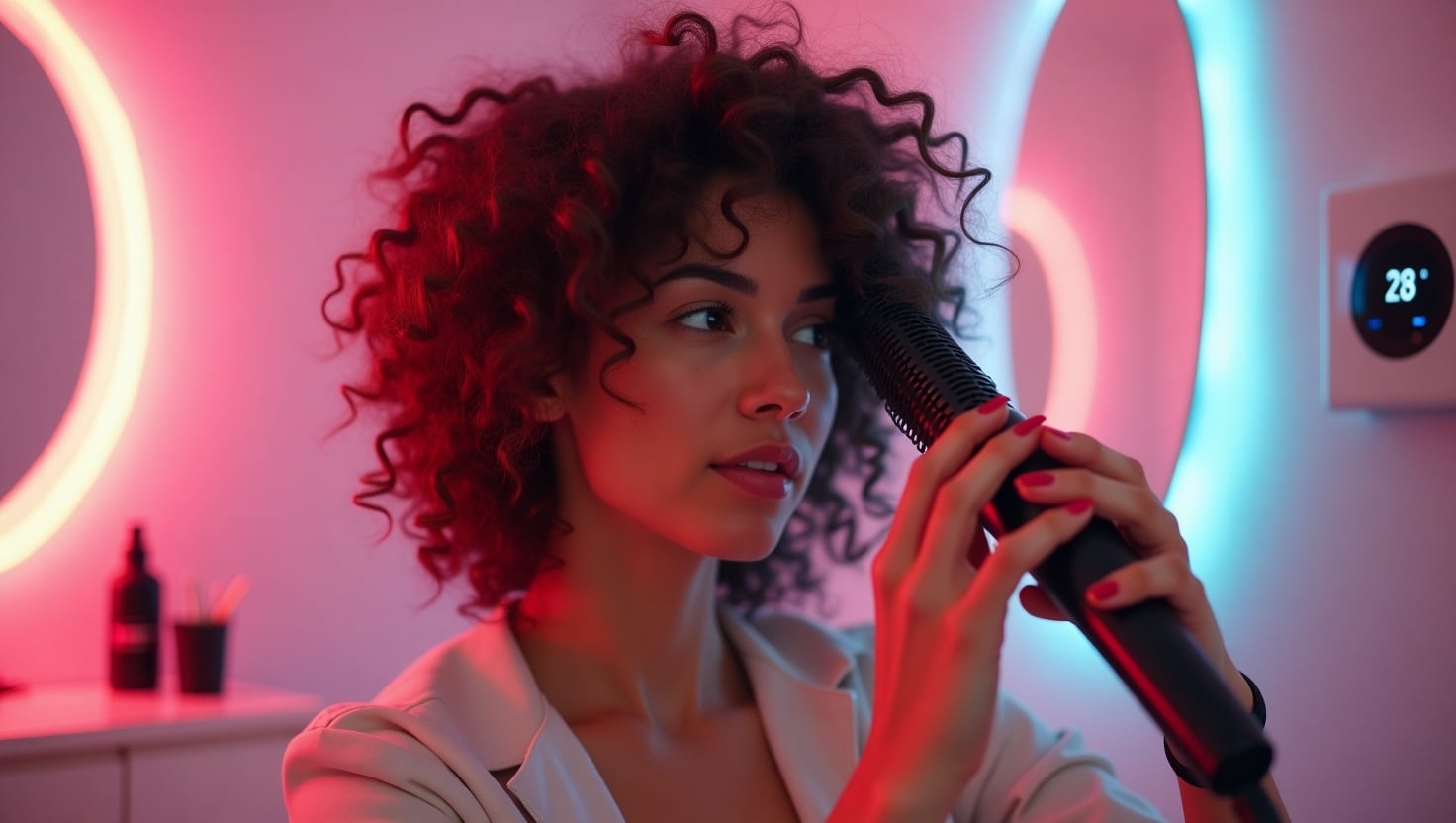
Heat Styling Without Damage: Tools, Techniques, and Pro Tips
Heat styling is a game-changer for anyone who loves switching up their hairstyle, but it can also be a fast track to dry, brittle, and damaged hair. Whether you’re straightening, curling, or blow-drying, the right approach makes all the difference. In this expert guide, we’ll break down how to achieve salon-quality styles at home while keeping your hair healthy and strong. We’ll compare top heat styling tools, share must-know temperature guidelines, and offer pro tips to protect hair from heat damage—so you can style with confidence!
Table of Contents
- Why Heat Damages Hair
- Choosing the Right Heat Styling Tools
- Temperature Guides for Different Hair Types
- Heat Protection Essentials
- Techniques for Safe Heat Styling
- Case Studies: Real Results
- Pro Tips for Damage-Free Styling
- Actionable Takeaways
Why Heat Damages Hair
Hair is made of keratin, a protein that’s vulnerable to high temperatures. When you use a hair straightener or curling iron above 300°F, the outer cuticle can crack and the inner cortex can lose moisture, leading to frizz, breakage, and split ends. Repeated exposure gradually weakens hair, making it harder to style and less shiny.
Did you know? Even occasional heat styling without protection can cause cumulative damage. That’s why the right tools and techniques matter so much!
Choosing the Right Heat Styling Tools
All heat tools aren’t created equal. Investing in the right device can make a dramatic difference in how your hair looks and feels. Here’s how to choose:
Hair Straighteners
- Ceramic Plates: Even heat distribution, gentle on hair; ideal for fine or easily damaged hair.
- Titanium Plates: Heats up quickly, great for thick or coarse hair, but can be too intense for delicate strands.
- Tourmaline Plates: Emits negative ions to reduce frizz and seal moisture.
Top Pick: The GHD Platinum+ Hair Straightener uses smart sensors to maintain a consistent 365°F—an optimal temperature for most hair types.
Curling Irons & Wands
- Barrel Material: Like straighteners, ceramic/tourmaline barrels are best for daily use. Titanium is for experienced users with stubborn hair.
- Adjustable Temperature: Essential for customizing heat to your hair type.
Top Pick: The Bio Ionic Long Barrel Curling Iron is gentle, efficient, and designed for longer hair.
Blow Dryers
- Ionic Technology: Reduces drying time and frizz.
- Cool Shot Button: Seals the cuticle after styling.
- Diffusers & Concentrators: Choose attachments based on your desired style.
Top Pick: The Dyson Supersonic is an investment, but its intelligent heat control protects hair from extreme heat damage.
Comparison Table: Top Heat Styling Tools
| Tool | Best For | Temperature Range | Key Feature |
|---|---|---|---|
| GHD Platinum+ Straightener | All Hair Types | 365°F (fixed) | Smart heat sensors |
| Bio Ionic Curling Iron | Long, thick hair | 250°F–430°F | Moisture-locking barrel |
| Dyson Supersonic Dryer | All Hair Types | 4 heat settings | Intelligent heat control |
Temperature Guides for Different Hair Types
One of the most common mistakes is using too much heat. Here’s a quick guide for setting the right temperature:
- Fine or Damaged Hair: 250–300°F (120–150°C)
- Normal/Medium Hair: 300–375°F (150–190°C)
- Thick or Coarse Hair: 375–410°F (190–210°C)
Avoid exceeding 410°F (210°C), even for thick hair, to prevent irreversible damage. When in doubt, start lower and increase only if needed.
Heat Protection Essentials
If you want to protect hair from heat, the first step is always a good heat protectant. Here’s what to look for:
- Silikon-based formulas: Create a barrier to lock in moisture.
- Protein & keratin: Help strengthen and fortify hair.
- Nourishing oils: Argan, coconut, or grapeseed oil add shine and slip.
How to apply: Always apply heat protectant to damp hair before blow-drying or to dry hair before flat ironing or curling. Comb through for even distribution.
For a deep dive, check out our guide to the best heat protectants.
Techniques for Safe Heat Styling
- Air Dry First: Let hair dry 70–80% naturally to reduce time under the dryer.
- Section Hair: Work in small sections for even heat distribution and less repetition.
- One-Pass Rule: Use a slow, steady movement rather than going over the same strand multiple times.
- Cool Down: Use the cool shot setting to set the style and seal the cuticle.
- Don’t Style Dirty Hair: Product buildup can burn, increasing damage risk.
Case Studies: Real Results
Case Study 1: Transforming Damaged Hair with the Right Routine
Background: Emily, a frequent straightener user, noticed her hair was losing shine and breaking easily. She switched to a ceramic straightener, lowered the temperature, and started using a silicone-based heat protectant. Within three months, her stylist noticed fewer split ends, and Emily reported smoother, softer hair.
Case Study 2: Curls Without Compromise
Background: Janelle struggled with frizz after curling her thick hair. She began using a tourmaline curling wand with adjustable heat, kept her temp below 400°F, and always finished with a cool shot. Her curls lasted longer, and her hair felt healthier after just a few weeks.
Pro Tips for Damage-Free Styling
- Limit Heat Styling: Try to style with heat no more than 2–3 times per week.
- Deep Condition Weekly: Hydrate and repair with masks rich in protein and oils.
- Trim Regularly: Remove split ends before they travel up the hair shaft.
- Switch Up Your Style: Alternate between straight, wavy, and protective styles (like braids or buns) to reduce heat exposure.
For more protective styling ideas, see our article on best protective hairstyles.
Actionable Takeaways
- Choose heat tools suited to your hair type—ceramic for fine hair, titanium for coarse hair.
- Keep temperatures as low as possible for your hair type.
- Never skip a heat protectant—apply it evenly before styling.
- Limit heat styling sessions and incorporate no-heat styles into your routine.
- Maintain hair health with regular trims and deep conditioning treatments.
Ready for More?
Heat styling doesn’t have to mean sacrificing healthy hair. With the right tools, techniques, and protective products, you can enjoy your favorite looks while keeping your strands in top shape. For related tips, don’t miss our Ultimate Guide to Hair Straighteners and Top Heat Protection Tips.