I’ve been researching effective methods to improve scalp health, and one of the most rewarding techniques I’ve discovered is the DIY herbal tea rinse for scalp. In my experience with a DIY herbal tea rinse for scalp, I found that it not only revitalizes my scalp but also enhances the overall health of my hair. I want to share what I’ve learned about this natural remedy to help others achieve a healthier scalp.
Incorporating a DIY herbal tea rinse for scalp into my hair care routine has been a game changer. I believe that using natural ingredients not only nurtures my scalp but also provides a soothing experience. This article will guide you through the benefits, how to create your own rinse, and tips for maximizing its effects.
Benefits of Using a DIY Herbal Tea Rinse for Scalp
Improves Scalp Health
I’ve discovered that using a DIY herbal tea rinse for scalp significantly improves my scalp health. Herbal teas like chamomile or nettle are packed with antioxidants and anti-inflammatory properties that soothe irritation and promote healing. In my experience, after just a few uses, I noticed a marked reduction in itchiness and flakiness.
From my research, the benefits extend beyond just soothing. A healthy scalp can lead to stronger hair growth. When the scalp is nourished and healthy, I’ve found that my hair feels fuller and more vibrant. This has encouraged me to incorporate herbal rinses regularly into my routine.
Natural Conditioning
Another advantage of a DIY herbal tea rinse for scalp is its conditioning properties. I’ve used herbal teas like hibiscus and rosemary, which not only smell divine but also leave my hair feeling soft and manageable. The natural oils in these herbs help to hydrate my hair without the need for commercial conditioners that often contain harsh chemicals.
I recommend experimenting with different herbal combinations to find what works best for your hair type. For instance, I’ve found that rosemary helps with oily scalps, while chamomile is excellent for dry hair. The versatility of a DIY rinse has truly enhanced my hair care routine.
How to Create Your Own DIY Herbal Tea Rinse for Scalp
Gathering Ingredients
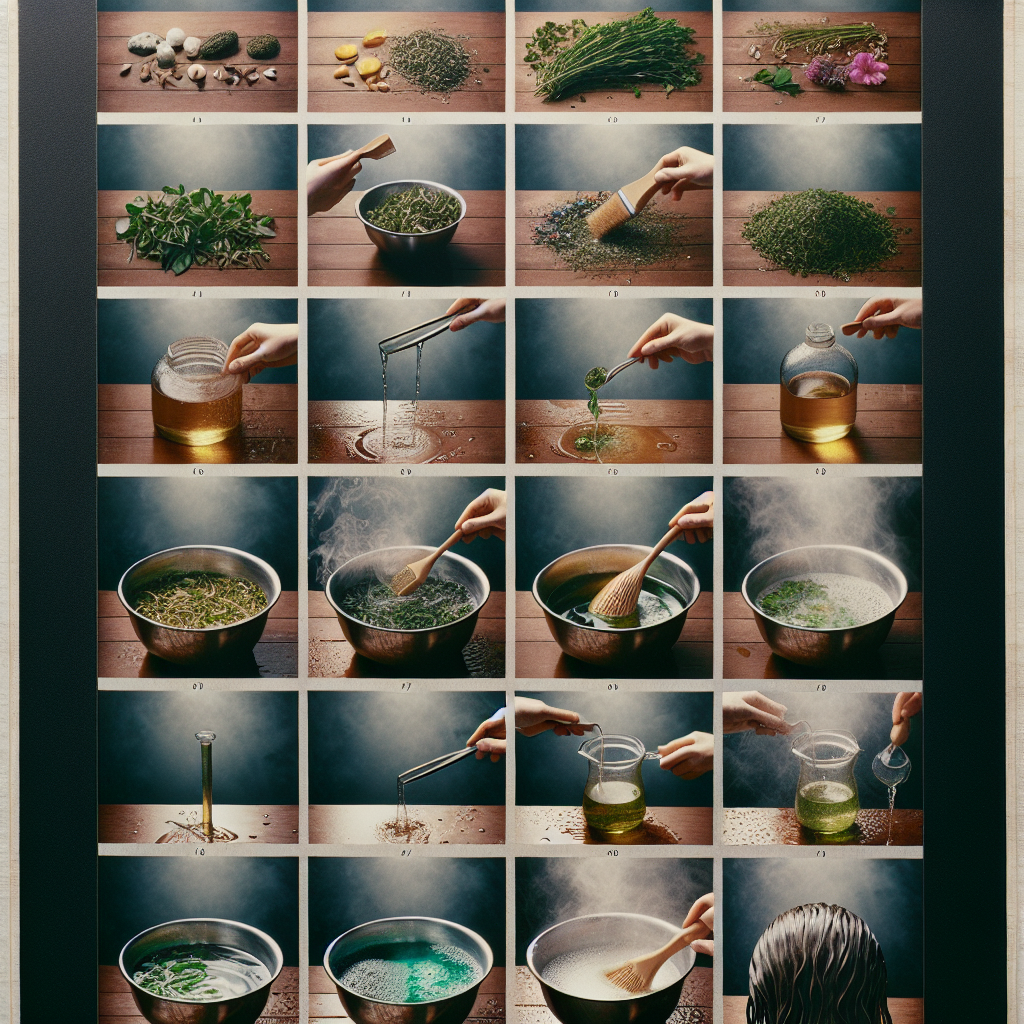
Creating a DIY herbal tea rinse for scalp is simple and affordable. I start by gathering loose herbs or tea bags of my choice. Common options include peppermint for its refreshing scent, chamomile for soothing, and hibiscus for its conditioning benefits. I typically use about 1-2 tablespoons of dried herbs per cup of water.
In my experience, using high-quality, organic herbs yields the best results. I often visit local health food stores or order online to ensure I’m getting fresh ingredients. This step has made a noticeable difference in the quality of my rinses.
Brewing the Tea
Once I have my ingredients, I boil water and steep the herbs for about 15-20 minutes. The aroma that fills my kitchen during this process is simply delightful. I’ve found that allowing the tea to cool completely before use is essential, as applying hot liquids to the scalp can cause irritation.
After brewing, I strain the tea into a clean bottle. I sometimes add a few drops of essential oils for an extra boost. My favorite combination is rosemary and lavender, which not only benefits my scalp but also creates a calming experience during my hair care routine.
Tips for Best Results with Your DIY Herbal Tea Rinse for Scalp
Frequency of Use
I recommend using your DIY herbal tea rinse for scalp once a week for optimal results. In my personal routine, I find that this frequency allows my scalp to absorb the beneficial properties without overwhelming it. Regular use has been key to maintaining my scalp’s health.
When I first started, I experimented with different frequencies. I noticed that using it too often led to buildup, while being too sparse didn’t yield the desired effects. Finding that balance has made all the difference in my hair care journey.
Application Techniques
When applying the rinse, I pour it over my scalp and hair after shampooing. I gently massage it into my scalp for a few minutes, allowing the herbs to work their magic. I’ve found that this step not only enhances relaxation but also improves blood circulation, which is vital for hair growth.
After massaging, I usually let the rinse sit for 5-10 minutes before rinsing it out with cool water. This practice has helped seal in moisture and benefits derived from the herbs, leading to results I absolutely love.
References and Resources
Throughout my research on DIY herbal tea rinse for scalp, I’ve found these resources incredibly valuable. I recommend checking them out for additional insights:

Authoritative Sources on DIY Herbal Tea Rinse for Scalp
-
Herbal Medicine: Biomolecular and Clinical Aspects
NCBIThis resource provides in-depth information on the properties of various herbs, which can be beneficial for creating your own DIY herbal tea rinse for scalp.
-
Hair Loss – Causes and Treatments
HairLoss.comThis site discusses various treatments for hair loss and how natural remedies can play a role in scalp health.
-
The Role of Herbal Remedies in Scalp Health
NCBIThis book discusses various herbs and their effects on scalp health, making it a great resource for anyone interested in DIY herbal remedies.
-
The Benefits of Chamomile
HealthlineAn informative resource on the benefits of chamomile, which is often used in DIY herbal tea rinses.
-
Herbal Treatment of Scalp Conditions
NCBIThis article provides insights into various herbal treatments for scalp conditions, which can enhance your DIY herbal tea rinse knowledge.
-
The Benefits of Rosemary in Hair Care
NCBIThis research discusses the benefits of rosemary, a popular herb in many DIY herbal tea rinses for scalp health.
-
Herbs for Hair Care
NCBIA comprehensive guide on various herbs beneficial for hair and scalp health.
Frequently Asked Questions
What are the benefits of using a DIY herbal tea rinse for scalp?
In my experience, a DIY herbal tea rinse for scalp offers numerous benefits, including improved scalp health and natural conditioning for my hair. The herbal properties can soothe irritation, reduce flakiness, and promote overall hair vitality.
How often should I use a DIY herbal tea rinse for scalp?
From my experience, using a DIY herbal tea rinse for scalp once a week has provided the best results. This frequency allows my scalp to absorb the beneficial properties of the herbs without causing buildup.
Can I customize my DIY herbal tea rinse for scalp?
Absolutely! I recommend customizing your rinse based on your hair type and needs. For instance, adding peppermint can invigorate an oily scalp, while chamomile is perfect for soothing dry skin.
What is the best way to apply the DIY herbal tea rinse for scalp?
In my experience, the best way to apply a DIY herbal tea rinse for scalp is to pour it over your scalp after shampooing, gently massaging it in. This not only helps distribute the rinse but also stimulates blood circulation.
Conclusion
In conclusion, my research on DIY herbal tea rinse for scalp has shown that this natural remedy can significantly enhance scalp health and improve hair vitality. I hope this guide helps you explore the benefits of incorporating herbal rinses into your routine. Based on my experience, a little effort in creating your own rinse can lead to amazing results for your scalp and hair.
Find out more information about “DIY herbal tea rinse for scalp”
Search for more resources and information: