Ever wondered if you could achieve salon-worthy hair without stepping foot outside your home? You’re not alone. As more people search for natural, cost-effective, and personalized hair care solutions, DIY hair care has blossomed from a niche trend into a thriving global movement. But with a dizzying array of advice online—much of it conflicting or unverified—how do you know what truly works?
Welcome to The Ultimate Guide to DIY Hair Care, your trusted companion for all things hair health, crafted by experts who combine scientific research with years of hands-on experience. Whether you’re dealing with dryness, frizz, hair fall, or simply want to boost your hair’s natural shine, this guide is designed to empower you with actionable strategies, safe recipes, and professional insights—no matter your hair type or experience level.
Inside, you’ll discover why DIY hair care isn’t just a fun experiment—it’s a powerful way to take control of your beauty routine, understand your hair’s unique needs, and make informed choices about the products and ingredients you use. We’ll debunk common myths, explain the science behind hair health, and share step-by-step instructions for tried-and-true treatments you can trust.
Here’s what you can expect from this comprehensive guide:
- Expert Techniques: Learn the foundational practices for washing, conditioning, and styling your hair at home—plus advanced tips for tackling common concerns.
- DIY Recipes: Explore nourishing hair masks, scalp treatments, and natural cleansers using ingredients you probably have in your kitchen.
- Targeted Solutions: Find science-backed answers to issues like split ends, dandruff, and hair thinning, including when to DIY and when to seek professional help.
- Safety & Customization: Understand how to adapt routines for every hair type, avoid common pitfalls, and ensure your home treatments are both safe and effective.
Whether you’re a committed DIY beauty enthusiast or just starting to explore home hair care, this pillar article provides everything you need to nurture and transform your hair—right where you are. Let’s dive in and unlock your healthiest, most confident hair ever!
Table of Contents
Table of Contents
- Introduction to DIY Hair Care
- Why DIY Hair Care Is Gaining Popularity
- Understanding Hair Structure: The Basics
- The Anatomy of Hair
- How DIY Hair Care Supports Hair Health
- Benefits of DIY Hair Care
- 1. Customization
- 2. Ingredient Control
- 3. Empowerment and Education
- 4. Budget-Friendly Solutions
- 5. Sustainability
- Potential Risks and How to Avoid Them
- 1. Allergic Reactions
- 2. Imbalanced Formulations
- 3. Ingredient Quality
- 4. Overuse of DIY Treatments
- 5. Misinformation
- Demystifying DIY: Common Ingredients and Their Functions
- Practical Examples: Simple DIY Hair Care Recipes
- 1. Moisturizing Honey & Avocado Mask
- 2. Clarifying Apple Cider Vinegar Rinse
- 3. Strengthening Egg & Yogurt Treatment
- 4. Soothing Aloe & Tea Tree Scalp Gel
- How to Get Started with DIY Hair Care
- Expert Tips for Safe and Effective DIY Hair Care
- Conclusion: The Power of At-Home Hair Care
- Understanding Your Hair and Scalp
- 1. Hair Types: The Foundation of Hair Care
- 1.1 The Four Main Hair Types
- 1.2 Identifying Your Hair Type
- 1.3 Why Hair Type Matters in DIY Care
- 2. Hair Porosity: How Your Hair Absorbs Moisture
- 2.1 The Three Porosity Types
- 2.2 How to Test Your Hair Porosity
- 2.3 Practical Care for Each Porosity Type
- 2.4 Example: Tailoring DIY Masks by Porosity
- 3. Scalp Health: The Root of Great Hair
- 3.1 Common Scalp Conditions
- 3.2 How to Assess Your Scalp
- 3.3 DIY Solutions for Common Scalp Concerns
- 4. Assessing Your Individual Hair and Scalp Needs
- 4.1 Step-by-Step Self-Assessment
- 4.2 Example Self-Assessment Journal Entry
- 4.3 Actionable Insights for Personalized DIY Hair Care
- 5. Building Your Personalized DIY Hair Care Routine
- 5.1 Sample Routine Templates
- 5.2 Tips for DIY Experimentation
- Conclusion: The Power of Personalized DIY Hair Care
- Essential Tools and Ingredients for DIY Hair Care
- Must-Have Tools for DIY Hair Care
- Basic Equipment
- For Advanced DIYers
- Budget-Friendly Substitutions
- Natural Ingredients for Every Hair Type
- Carrier Oils
- Butters
- Plant-Based Liquids and Additives
- Essential Oils
- Protein Sources
- Natural Cleansers
- Product Alternatives for Every Budget and Hair Type
- DIY Cleansers & Shampoos
- Homemade Conditioners & Deep Treatments
- Leave-In Conditioners & Styling Aids
- Natural Solutions for Common Hair Concerns
- Budget-Friendly Ingredient Swaps
- How to Choose the Right Tools and Ingredients for Your Hair
- Safety and Storage Tips
- Conclusion: Building Your DIY Hair Care Arsenal
- Quick Start Guide: Building Your DIY Hair Care Routine
- Step 1: Assess Your Hair Type and Goals
- How to Identify Your Hair Type
- Clarify Your Hair Goals
- Step 2: Gather Your DIY Essentials
- Core Ingredients for DIY Hair Care
- Useful Tools
- Step 3: Build Your Basic Routine Structure
- Step 4: Select Recipes and Customize for Your Hair
- Sample Recipes for Key Steps
- Step 5: Sample DIY Routines by Hair Type & Goal
- For Straight/Fine Hair: Focus on Volume & Light Moisture
- For Wavy/Medium Hair: Enhance Waves & Balance Moisture
- For Curly/Coily Hair: Maximize Moisture & Curl Definition
- For Damaged or Color-Treated Hair: Repair & Strengthen
- For Growth & Scalp Health: Stimulate & Nourish
- Step 6: Monitor, Adjust, and Track Progress
- Step 7: Common Mistakes to Avoid in DIY Hair Care
- Step 8: Advanced Tips for DIY Hair Care Success
- DIY Hair Care Routine Planner (Template)
- Final Thoughts: Your DIY Journey Awaits
- Step-by-Step Tutorials: Core DIY Hair Care Techniques
- 1. Oiling: Nourishing Your Hair from Root to Tip
- Why Oiling Matters
- Choosing the Right Oil for Your Hair Type
- Step-by-Step: How to Oil Your Hair
- Expert Tips for Oiling Success
- 2. Deep Conditioning: Restoring and Revitalizing Hair
- Benefits of Deep Conditioning
- DIY Deep Conditioning Masks: Recipes & Ingredients
- Step-by-Step: Deep Conditioning at Home
- Deep Conditioning Pro Tips
- 3. Scalp Massage: Boosting Circulation and Growth
- Why Include Scalp Massage in Your Routine?
- Step-by-Step: Effective Scalp Massage Techniques
- Enhance Your Scalp Massage With Tools
- When and How Often to Massage
- 4. Protective Styling: Minimizing Damage and Promoting Growth
- What Are Protective Styles?
- Benefits of Protective Styling
- Choosing the Right Protective Style for Your Hair Type
- Step-by-Step: Creating a Basic Protective Style (Two-Strand Twists Example)
- Other Easy Protective Styles to Try
- Protective Styling Best Practices
- Bonus: Building Your Personalized DIY Hair Care Routine
- Sample Weekly DIY Hair Care Routine
- Tips for Long-Term Success
- Key Takeaways: Empower Your Hair Care Journey
- Home Remedies: Masks, Oils, and Rinses
- Understanding the Science Behind Home Remedies
- Homemade Hair Masks: Deep Nourishment for Every Hair Type
- 1. Moisturizing Mask for Dry or Damaged Hair
- 2. Strengthening Protein Mask for Weak, Brittle Hair
- 3. Shine-Boosting Mask for Dull Hair
- 4. Soothing Mask for Sensitive or Itchy Scalps
- Mask Application Best Practices
- DIY Oil Blends: Nourish, Protect, and Stimulate
- Popular Oils and Their Benefits
- Essential Oils for Scalp and Hair Health
- DIY Oil Blend Recipes
- Safe Oil Application Techniques
- Clarifying Rinses: Remove Buildup and Balance
- 1. Apple Cider Vinegar (ACV) Rinse
- 2. Herbal Clarifying Rinse
- 3. Baking Soda Scrub
- Clarifying Rinse Safety Tips
- Customizing DIY Hair Care for Your Needs
- Common Mistakes and How to Avoid Them
- Expert Q&A: Home Remedy FAQs
- Conclusion: Empowering Your Hair Care Routine
- DIY Solutions for Common Hair Problems
- Dandruff: Natural Remedies for a Flake-Free Scalp
- 1. Tea Tree Oil Scalp Treatment
- 2. Apple Cider Vinegar (ACV) Rinse
- 3. Aloe Vera Soothing Mask
- Additional Tips for Managing Dandruff
- Frizz: Smoothing Techniques for Silky Hair
- 1. Coconut Oil and Honey Hair Mask
- 2. DIY Leave-In Conditioner
- 3. Apple Cider Vinegar Smoothing Rinse
- Frizz-Reducing Daily Habits
- Split Ends: Preventing and Treating Damage
- 1. Nourishing Egg and Olive Oil Hair Mask
- 2. Avocado and Yogurt Deep Conditioning
- 3. DIY Split End Serum
- Best Practices to Prevent Split Ends
- Hair Loss: Strengthening Roots Naturally
- 1. Scalp Massage with Rosemary Oil
- 2. Onion Juice Growth Tonic
- 3. Fenugreek Seed Paste
- Diet and Lifestyle Tips for Healthy Hair Growth
- Scalp Irritation: Calming and Restoring Balance
- 1. Oatmeal Scalp Soak
- 2. Chamomile Tea Rinse
- 3. Cucumber and Aloe Cooling Gel
- Prevention and Scalp Care Tips
- Tips for Maximizing DIY Hair Care Success
- When to Seek Professional Help
- Natural Coloring and Treatments at Home
- Why Choose Natural Hair Coloring and Treatments?
- Understanding Natural Hair Colorants
- Henna
- Indigo
- Other Plant-Based Colorants
- How to Safely Use Natural Hair Color at Home
- 1. Patch and Strand Testing
- 2. Preparing Your Hair
- 3. Mixing and Applying Natural Dyes
- 4. Aftercare for Naturally Colored Hair
- DIY Glosses for Shine and Subtle Color
- Homemade Natural Hair Gloss Recipes
- DIY Protein Treatments for Stronger Hair
- Understanding the Role of Protein in Hair Health
- Popular DIY Protein Treatment Recipes
- Tips for Safe and Effective Protein Treatments
- Expert Tips for Successful At-Home Natural Coloring and Treatments
- Common Questions About DIY Natural Coloring and Treatments
- Sample Routine: Combining Natural Coloring and Treatments
- Conclusion: Embrace Natural Beauty Safely
- Case Studies: Real Results with DIY Hair Care
- Case Study 1: Reversing Severe Dryness with Natural Oils (Emily, 29)
- Background
- The DIY Approach
- Results After 12 Weeks
- Actionable Insights
- Case Study 2: Battling Dandruff with Kitchen Remedies (Rahul, 34)
- Background
- The DIY Approach
- Results After 8 Weeks
- Actionable Insights
- Case Study 3: Strengthening Thin Hair with Protein Treatments (Sophia, 22)
- Background
- The DIY Approach
- Results After 10 Weeks
- Actionable Insights
- Case Study 4: Transitioning to Natural Curls Without Commercial Products (Jasmine, 27)
- Background
- The DIY Approach
- Results After 6 Months
- Actionable Insights
- What These Case Studies Reveal About DIY Hair Care
- Tips for Your Own DIY Hair Care Journey
- Comparison Tables: DIY vs. Store-Bought Hair Care
- Efficacy: How Well Do They Work?
- Expert Insight:
- Safety: Understanding the Risks
- Actionable Tips for Safe Use:
- Cost: Which Option Saves You More?
- Money-Saving Insights:
- Convenience: Which Fits Your Lifestyle?
- Time-Saving Strategies:
- Summary Table: DIY vs. Store-Bought Hair Care at a Glance
- How to Choose: Blending Both Worlds
- Case Study: A Balanced Hair Care Routine
- Key Takeaways
- Expert Q&A: Top Questions About DIY Hair Care
- 1. Is DIY hair care safe for all hair types?
- 2. What are the best natural ingredients for DIY hair masks?
- 3. How often should I use DIY treatments?
- 4. Can I use kitchen ingredients for my hair? Are there any I should avoid?
- 5. How can I promote healthy hair growth at home?
- 6. What’s the safest way to clarify or detox my scalp at home?
- 7. How do I repair dry or damaged hair at home?
- 8. Are there risks to DIY hair coloring or lightening?
- 9. Can I make my own shampoo and conditioner? What are the pros and cons?
- Pros:
- Cons:
- 10. What are common mistakes to avoid with DIY hair care?
- 11. When should I see a professional instead of relying on DIY?
- Key Takeaways from the Experts
- Sustaining Healthy Hair: Maintenance and Advanced Tips
- Establishing a Personalized Maintenance Routine
- 1. Understand Your Hair’s Unique Profile
- 2. Core Components of an Effective DIY Hair Maintenance Routine
- Advanced DIY Hair Care Strategies
- 1. Rotate Products and Treatments
- 2. Monitor and Address Seasonal Changes
- 3. Mastering Protective Techniques
- 4. DIY Scalp and Hair Treatments
- Avoiding Common Pitfalls in DIY Hair Care
- 1. Overuse of Ingredients
- 2. Neglecting Scalp Health
- 3. Inconsistent Routine
- 4. Ignoring Signs of Damage
- Adapting Your Routine for Life’s Changes
- 1. Hormonal Changes and Hair Health
- 2. Managing Hair Through Color, Chemical Processes, or Heat Styling
- 3. Lifestyle Shifts: Travel, Swimming, and Busy Schedules
- Expert Tips for Lifelong Healthy Hair
- When to Seek Professional Help
- Conclusion: Building a Sustainable, Effective DIY Hair Care Routine
- Frequently Asked Questions
- What is the best way to get started?
- How long does it take to see results?
- What tools do I need?
- Conclusion
- Related Articles
Introduction to DIY Hair Care
In recent years, DIY hair care has surged in popularity, inviting people of all backgrounds to take charge of their hair health from the comfort of their homes. Whether motivated by curiosity, cost savings, or a desire for more natural solutions, individuals are increasingly turning to at-home hair care routines. This section provides a comprehensive introduction to DIY hair care, exploring its many benefits, potential risks, and the scientific principles that underpin healthy hair. You’ll gain a clear understanding of why DIY hair care is more than a trend—it’s a movement rooted in empowerment, education, and self-care.
Why DIY Hair Care Is Gaining Popularity
DIY hair care is not just a fleeting phenomenon—it’s a response to evolving consumer values and lifestyles. The appeal lies in:
- Personalization: Tailoring routines and products to your unique hair type and concerns.
- Cost-effectiveness: Reducing expenses by making hair masks, treatments, and cleansers at home.
- Transparency: Knowing exactly what ingredients are going into your hair care regimen.
- Convenience: Skipping salon appointments and managing your routine on your own schedule.
- Chemical Reduction: Avoiding harsh additives, preservatives, or synthetic fragrances often found in commercial products.
- Sustainability: Often DIY methods use fewer resources and less packaging, appealing to eco-conscious individuals.
Social media platforms, online tutorials, and the growing availability of high-quality ingredients have also made it easier than ever to experiment safely and effectively with DIY solutions.
Understanding Hair Structure: The Basics
To practice effective DIY hair care, it’s crucial to understand the fundamentals of hair structure and what your hair truly needs. Here’s a quick primer:
The Anatomy of Hair
- Cuticle: The outermost layer, composed of overlapping scale-like cells that protect the inner layers. When the cuticle is smooth and intact, hair appears shiny and feels soft.
- Cortex: The thickest layer, containing keratin (protein) and pigment (melanin) that give hair its strength, elasticity, and color.
- Medulla: The innermost core, present in some hair types (often thicker or coarser hair), which can affect how hair responds to treatments.
Hair also varies by:
- Porosity: How well hair absorbs and retains moisture.
- Texture: Straight, wavy, curly, or coily, which influences maintenance needs.
- Density: The number of strands per square inch on your scalp.
- Elasticity: Hair’s ability to stretch and return to its original shape without breaking.
How DIY Hair Care Supports Hair Health
With an understanding of hair’s basic anatomy, you can see how at-home care addresses specific needs:
- Moisture Balance: DIY masks and conditioners help replenish hydration, crucial for all hair types.
- Protein Treatments: At-home protein masks (like egg or yogurt-based recipes) can strengthen the cortex and repair damage.
- Scalp Health: Ingredients such as tea tree oil, aloe vera, or apple cider vinegar can soothe irritation and maintain pH balance.
- Protective Styling & Maintenance: Learning to trim, detangle, and style your hair gently can prevent breakage and split ends.
Benefits of DIY Hair Care
Embracing a DIY approach to hair care offers a host of advantages:
1. Customization
- Create recipes that suit your specific hair type (fine, coarse, curly, color-treated, etc.).
- Adjust ingredient quantities to address changing needs—more moisture in winter, more protein after chemical treatments, etc.
- Experiment with essential oils or natural scents that you enjoy.
2. Ingredient Control
- Eliminate allergens or irritants common in commercial products.
- Opt for organic, natural, or food-grade ingredients for peace of mind.
- Avoid unnecessary fillers, silicones, or parabens.
3. Empowerment and Education
- Gain a deeper understanding of what works for your hair through experimentation and research.
- Build confidence in managing your own hair care needs.
- Share knowledge and results with others, fostering community and support.
4. Budget-Friendly Solutions
- Repurpose kitchen staples (like honey, olive oil, or avocado) as effective treatments.
- Reduce reliance on expensive salon treatments and branded products.
- Make small, frequent batches to avoid waste.
5. Sustainability
- Use reusable containers and minimize single-use packaging.
- Source local or bulk ingredients to reduce carbon footprint.
- Compost leftover plant-based ingredients where possible.
Potential Risks and How to Avoid Them
While DIY hair care offers many benefits, it’s important to be aware of potential drawbacks and practice safe experimentation. Here are some common risks and expert tips to minimize them:
1. Allergic Reactions
- Risk: Even natural ingredients can trigger allergies or sensitivities (e.g., essential oils, nuts, or fruits).
- Prevention: Always perform a patch test on your inner arm 24 hours before full application.
2. Imbalanced Formulations
- Risk: Too much protein can make hair brittle; excessive oils may weigh hair down or clog pores.
- Prevention: Research your hair’s needs and adjust recipes accordingly. Alternate moisturizing and strengthening treatments based on your hair’s response.
3. Ingredient Quality
- Risk: Using spoiled, contaminated, or low-quality ingredients can cause scalp irritation or hair damage.
- Prevention: Use fresh, high-quality ingredients and store mixtures properly. Discard any leftover treatments after a few days.
4. Overuse of DIY Treatments
- Risk: Excessive use of certain treatments (like clarifying masks or strong essential oils) can strip natural oils or disrupt scalp balance.
- Prevention: Limit intense treatments to once a week or as needed, and observe how your hair reacts over time.
5. Misinformation
- Risk: Not all online recipes are scientifically sound or safe for all hair types.
- Prevention: Cross-reference information from reputable sources, and avoid “miracle cures” that lack evidence or seem too good to be true.
Demystifying DIY: Common Ingredients and Their Functions
Many DIY hair care staples are likely already in your pantry or garden. Here’s a look at what some popular ingredients do:
- Coconut Oil: Deeply moisturizing, helps reduce protein loss in hair, ideal for pre-shampoo treatments.
- Honey: A natural humectant that draws moisture into hair, adds shine, and soothes the scalp.
- Aloe Vera: Hydrates, soothes scalp irritation, and promotes a healthy hair growth environment.
- Apple Cider Vinegar: Balances scalp pH, smooths the cuticle, and adds shine (use diluted).
- Eggs: Rich in protein, help strengthen and repair hair fibers.
- Avocado: Packed with vitamins and fatty acids for deep nourishment.
- Tea Tree Oil: Antimicrobial, helps with dandruff and scalp inflammation (use sparingly and always diluted).
- Yogurt: Contains protein and lactic acid for gentle exfoliation and strengthening.
When using any ingredient for the first time, start with small amounts to test your hair’s reaction. Document your process and results in a hair care journal for future reference.
Practical Examples: Simple DIY Hair Care Recipes
Below are a few beginner-friendly recipes to illustrate what DIY hair care can look like in practice. Always tailor these recipes to your hair’s unique needs, and remember to patch test before full application.
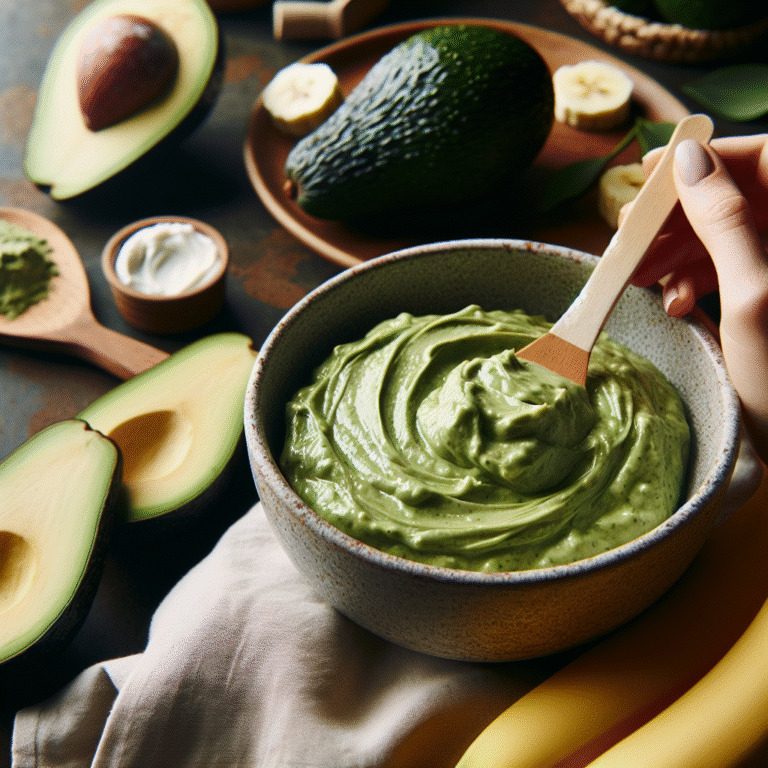
1. Moisturizing Honey & Avocado Mask
- 1 ripe avocado, mashed
- 2 tablespoons honey
- 1 tablespoon olive oil
Mix ingredients until smooth. Apply to damp hair from mid-length to ends. Leave on for 20–30 minutes, then rinse thoroughly and shampoo as usual.
2. Clarifying Apple Cider Vinegar Rinse
- 2 tablespoons apple cider vinegar
- 2 cups water
Mix and pour over hair after shampooing. Let sit for 2–3 minutes, then rinse with cool water. Use once every 1–2 weeks to remove buildup and boost shine.
3. Strengthening Egg & Yogurt Treatment
- 1 egg
- 2 tablespoons plain yogurt
- 1 teaspoon coconut oil
Whisk all ingredients together and apply to clean, damp hair. Leave for 15–20 minutes, then rinse with cool water (avoid hot water to prevent “cooking” the egg).
4. Soothing Aloe & Tea Tree Scalp Gel
- 1/4 cup fresh aloe vera gel
- 2–3 drops tea tree essential oil
Stir together and gently massage into the scalp. Leave on for 10–15 minutes before rinsing. Ideal for itchy, irritated scalps.
How to Get Started with DIY Hair Care
Ready to embark on your DIY hair care journey? Here are actionable steps to set yourself up for success:
- Assess Your Hair’s Needs: Is it dry, oily, damaged, or color-treated? Identify your primary concerns.
- Research Ingredients: Learn about the properties and potential benefits of available ingredients.
- Gather Supplies: Stock up on basics like mixing bowls, measuring spoons, and storage containers.
- Start Simple: Try one treatment at a time to monitor results and avoid overwhelming your hair.
- Document Your Routine: Keep notes on what works, what doesn’t, and how your hair feels after each treatment.
- Adjust and Refine: As you learn more about your hair’s preferences, tweak recipes and frequency for optimal results.
Expert Tips for Safe and Effective DIY Hair Care
- Less is More: Start with minimal ingredients; complex recipes aren’t always better.
- Be Patient: Natural treatments often require consistent use over several weeks for visible results.
- Know When to Seek Professional Help: For severe hair loss, scalp infections, or chemical burns, consult a dermatologist or trichologist.
- Don’t Ignore the Scalp: Healthy hair starts with a healthy scalp—include scalp massages and gentle exfoliation in your routine.
- Rotate Treatments: Alternate between moisturizing, strengthening, and clarifying masks to maintain balance.
Conclusion: The Power of At-Home Hair Care
DIY hair care is about more than just saving money or trying the latest viral trend—it’s a chance to connect with your hair, understand its unique needs, and nurture it from root to tip. By grasping the science of hair structure and practicing mindful experimentation with natural, accessible ingredients, anyone can create a personalized routine that delivers real, lasting results. As with any self-care practice, the key is to stay informed, be patient, and enjoy the process of discovery. In the following sections, we’ll dive deeper into advanced recipes, troubleshooting common issues, and building a holistic hair care routine tailored just for you.
“`html
Understanding Your Hair and Scalp
Achieving healthy, vibrant hair starts with a deep understanding of your unique hair and scalp characteristics. In DIY hair care, tailoring your routine to your specific needs is essential for optimal results. This section will guide you through identifying your hair type, understanding hair porosity, recognizing common scalp conditions, and assessing your own hair and scalp to create a personalized, effective care routine.
1. Hair Types: The Foundation of Hair Care
Hair type refers to the shape, texture, and overall appearance of your hair strands. Knowing your hair type is the first step to choosing the right products and techniques for DIY hair care.
1.1 The Four Main Hair Types
- Straight (Type 1): Hair falls flat from the roots and lacks natural curl or wave. Can range from fine to coarse.
- Wavy (Type 2): Features a gentle, S-shaped wave. Prone to frizz and may require lightweight moisturizing products.
- Curly (Type 3): Forms distinct curls or ringlets. Curly hair is often drier and needs more moisture and definition.
- Coily/Kinky (Type 4): Has tight curls or zig-zag patterns. This hair type is the most fragile and typically requires intense hydration and gentle care.
1.2 Identifying Your Hair Type
To determine your hair type:
- Wash your hair and let it air dry without any product.
- Observe the natural pattern: Is it straight, wavy, curly, or coily?
- Consider the thickness (fine, medium, coarse) and density (how many strands per square inch).
Actionable Tip: Examine hair strands against a white background. Fine hair is thinner than sewing thread; coarse hair feels thick and strong.
1.3 Why Hair Type Matters in DIY Care
- Product Selection: Straight hair may get weighed down by heavy oils, while curly or coily hair benefits from richer creams and butters.
- Styling Techniques: Wavy hair may need anti-frizz serums, while curly hair thrives with “plopping” and diffusing methods.
- Frequency of Washing: Fine, straight hair may need more frequent washing than coily hair, which retains natural oils longer.
2. Hair Porosity: How Your Hair Absorbs Moisture
Hair porosity refers to your hair’s ability to absorb and retain moisture. Understanding your hair’s porosity can dramatically improve your DIY hair care regimen.
2.1 The Three Porosity Types
- Low Porosity: Cuticles are tightly bound. Water and products sit on the surface rather than penetrating easily.
- Medium (Normal) Porosity: Cuticles are slightly raised, allowing for balanced moisture absorption and retention.
- High Porosity: Cuticles are widely spaced or damaged, causing quick absorption but also rapid moisture loss.
2.2 How to Test Your Hair Porosity
- The Water Test: Place a clean strand of hair in a glass of water.
- If it floats for a long time, you likely have low porosity.
- If it sinks slowly, you have medium porosity.
- If it sinks quickly, you have high porosity.
- The Spray Test: Mist water on a clean section of hair.
- If droplets bead up, your hair is low porosity.
- If it absorbs quickly, your hair is high porosity.
2.3 Practical Care for Each Porosity Type
- Low Porosity:
- Use lightweight, water-based products. Avoid heavy oils and butters.
- Apply heat (like a warm towel) during deep conditioning to open cuticles.
- Clarify regularly to prevent buildup.
- Medium Porosity:
- Maintain balance—use regular moisturizing and protein treatments.
- Experiment with a variety of products to see what works best.
- High Porosity:
- Seal in moisture with heavier oils and butters after washing.
- Incorporate protein treatments to strengthen cuticles.
- Avoid excessive heat styling to reduce further cuticle damage.
2.4 Example: Tailoring DIY Masks by Porosity
- Low Porosity: Aloe vera and light honey masks penetrate without buildup.
- Medium Porosity: Avocado and yogurt masks balance moisture and protein.
- High Porosity: Banana, egg, and coconut oil masks help repair and seal strands.
3. Scalp Health: The Root of Great Hair
A healthy scalp is the foundation for strong, beautiful hair. Common scalp conditions can impact hair growth, shine, and manageability. Identifying and addressing scalp issues ensures your DIY routines are truly effective.
3.1 Common Scalp Conditions
- Oily Scalp: Overproduction of sebum leads to greasy roots, limp hair, and potential dandruff.
- Dry/Flaky Scalp: Characterized by itchiness, tightness, and visible flakes. Often confused with dandruff.
- Dandruff: Caused by excess oil or fungal growth, resulting in persistent flaking and irritation.
- Sensitive/Itchy Scalp: Prone to redness, irritation, or stinging after using certain products.
- Normal Scalp: Balanced oil production, minimal flaking or irritation.
3.2 How to Assess Your Scalp
- Part your hair in several places and examine your scalp in natural light.
- Look for signs: excessive oil, flakes, redness, or irritation.
- Notice how your scalp feels a day or two after washing—tight, oily, itchy, or balanced?
Actionable Tip: Keep a scalp journal for a week. Note how your scalp feels and looks, especially after washing or product use.
3.3 DIY Solutions for Common Scalp Concerns
- Oily Scalp:
- Use gentle, sulfate-free shampoos with tea tree or peppermint oil.
- Avoid heavy conditioners on the scalp.
- Try a weekly apple cider vinegar rinse for balancing pH.
- Dry/Flaky Scalp:
- Massage coconut or olive oil onto scalp before washing.
- Use gentle, moisturizing shampoos with aloe or chamomile.
- Limit hot water exposure.
- Dandruff:
- Use anti-dandruff shampoos with zinc pyrithione or natural alternatives like tea tree oil.
- Incorporate exfoliating scalp scrubs (e.g., sugar and jojoba oil blend) weekly.
- If symptoms persist, consult a dermatologist.
- Sensitive Scalp:
- Patch test DIY recipes before full application.
- Choose fragrance-free, hypoallergenic products.
- Limit use of harsh chemicals or frequent styling.
4. Assessing Your Individual Hair and Scalp Needs
Personalized hair care begins with a thorough self-assessment. The following steps will help you understand your hair and scalp so you can design a DIY routine that truly works.
4.1 Step-by-Step Self-Assessment
- Determine Your Hair Type: Is your hair straight, wavy, curly, or coily? Is it fine, medium, or coarse?
- Test Hair Porosity: Try the water or spray test to understand how your hair absorbs moisture.
- Examine Scalp Health: Check for oiliness, dryness, flakes, or irritation as described above.
- Observe Current Products and Routines: Which products make your hair look and feel its best? Which ones cause buildup, dryness, or irritation?
- Set Hair Goals: Do you want more shine, faster growth, better definition, or reduced frizz?
4.2 Example Self-Assessment Journal Entry
Date: March 5, 2024
Hair Type: Wavy, medium thickness
Porosity: Medium (strand sinks slowly in water)
Scalp: Slightly oily at roots by day 3, minimal flakes
Current Routine: Shampoo every 3 days, lightweight conditioner, air dry
Goals: Reduce frizz, increase shine, add volume at roots
With this information, you can adjust your DIY routine—such as using a weekly clarifying rinse to manage scalp oil, and incorporating a light leave-in conditioner for frizz control.
4.3 Actionable Insights for Personalized DIY Hair Care
- Match Ingredients to Needs:
- Dry, curly hair: Try shea butter, coconut oil, or honey masks.
- Fine, oily hair: Opt for aloe vera gel, green tea rinses, or lightweight leave-ins.
- Sensitive scalp: Use oat milk rinses, chamomile tea, or fragrance-free products.
- Adjust Frequency: Wash and deep condition based on your hair type and scalp needs—not on a fixed schedule.
- Monitor and Adapt: Track how your hair and scalp respond. Adjust recipes and routines as needed for best results.
- Patch Test: Always test new DIY treatments on a small area to check for reactions, especially if you have a sensitive scalp.
5. Building Your Personalized DIY Hair Care Routine
Now that you understand your hair type, porosity, and scalp condition, you can create a targeted, effective DIY hair care plan.
5.1 Sample Routine Templates
- For Straight, Fine, Oily Hair:
- Shampoo 2–3 times per week with a gentle, clarifying formula.
- Condition only the mid-lengths and ends with a light, silicone-free conditioner.
- Use a green tea or apple cider vinegar rinse weekly.
- For Curly, Dry, High Porosity Hair:
- Co-wash or use sulfate-free shampoo once a week.
- Deep condition with rich masks (avocado, shea butter) weekly.
- Seal in moisture with oils (coconut, argan) after every wash.
- Apply leave-in conditioner and use “pineapple” method for sleeping.
- For Wavy, Medium Porosity, Flaky Scalp:
- Shampoo every 3 days with a gentle, anti-flake formula.
- Exfoliate the scalp with a sugar and olive oil scrub once a week.
- Use lightweight, hydrating masks (aloe vera, yogurt) as needed.
5.2 Tips for DIY Experimentation
- Start with one new DIY treatment at a time.
- Document your results (texture, scalp condition, appearance).
- Be patient—changes can take several weeks to become noticeable.
- Adjust ingredients and frequency based on observed results.
- Consult professionals for persistent scalp issues or dramatic hair changes.
Conclusion: The Power of Personalized DIY Hair Care
Understanding your hair and scalp is the cornerstone of successful DIY hair care. By identifying your hair type, porosity, and scalp condition, and by regularly assessing your needs, you empower yourself to craft a truly customized routine. This knowledge allows you to select the most effective ingredients, techniques, and schedules for your unique hair, leading to healthier, stronger, and more beautiful results. Remember, your hair journey is personal—embrace experimentation, listen to your hair and scalp, and enjoy the process of discovering what works best for you.
“`
“`html
Essential Tools and Ingredients for DIY Hair Care
Embarking on your own DIY hair care journey is empowering and accessible, regardless of your hair type or budget. Whether you’re looking to craft nourishing masks, gentle cleansers, or style your hair naturally, having the right tools and ingredients is crucial. This comprehensive guide covers the must-have essentials—ranging from basic tools found in most homes, to versatile natural ingredients, and smart alternatives for every budget and texture. Dive in to discover what you really need to elevate your at-home hair care routine.
Must-Have Tools for DIY Hair Care
The right tools can make all the difference when it comes to crafting and applying homemade hair treatments. While you don’t need a salon’s worth of gadgets, a few multipurpose items will streamline your process, ensure accurate measurements, and help achieve consistent results.
Basic Equipment
- Wide-Tooth Comb: Essential for detangling wet hair and evenly distributing conditioners or masks, especially for curly or coily hair types.
- Fine-Tooth Comb: Useful for sectioning hair, parting, and ensuring even application of products and treatments.
- Spray Bottle: Perfect for misting hair with water or leave-in treatments. Opt for a fine-mist bottle for an even, gentle spray.
- Mixing Bowls: Non-reactive materials like glass or ceramic are best to prevent unwanted chemical reactions with natural ingredients.
- Measuring Spoons & Cups: For accuracy in DIY recipes, especially when working with potent essential oils or active ingredients.
- Applicator Brush: Ideal for precise application of masks, dyes, or oils—especially when targeting roots or specific sections.
- Sectioning Clips: Keeps hair organized and separated during treatments, styling, or mask application.
- Shower Cap or Plastic Wrap: Traps heat and moisture, enhancing the effectiveness of deep conditioning or oil treatments.
- Microfiber Towel or Cotton T-Shirt: Gentle alternatives to terrycloth towels, which can cause frizz and breakage.
- Heat Cap or Warm Towel: Optional, but boosts the absorption of deep conditioners and oil treatments for maximum benefit.
For Advanced DIYers
- Handheld Blender or Whisk: Ensures smooth, lump-free blends for masks and conditioners made with butters or oils.
- Glass Dropper Bottles: Great for storing homemade serums, oil blends, or scalp treatments.
- Amber Jars: Protect light-sensitive DIY formulations like serums or herbal infusions.
- Fine Mesh Strainer or Cheesecloth: Filters out plant matter when making herbal rinses or infusions.
Budget-Friendly Substitutions
- Plastic food containers as mixing bowls
- Old t-shirts as hair wraps or towels
- Reusable water bottles for spritzing
- Bobby pins or household clips for sectioning
Practical tip: Always clean and dry your tools thoroughly after each use to prevent contamination and prolong their lifespan.
Natural Ingredients for Every Hair Type
The foundation of DIY hair care lies in high-quality, natural ingredients. Selecting the right oils, butters, and botanicals tailored to your hair’s unique needs ensures optimal results. Here’s a curated list of versatile ingredients, their benefits, and how to use them for different hair types and concerns.
Carrier Oils
Carrier oils are the backbone of many DIY treatments, providing nourishment, moisture, and a base for essential oils or actives.
- Coconut Oil: Deeply moisturizing; helps reduce protein loss in hair. Best for thick, coarse, or dry hair, but may be heavy for fine hair types.
- Olive Oil: Rich in antioxidants and fatty acids; great for dry, brittle, or color-treated hair.
- Jojoba Oil: Closely mimics scalp sebum; suitable for all hair types, light enough for fine hair and excellent for balancing oily scalps.
- Argan Oil: Lightweight yet nourishing; ideal for smoothing frizz, adding shine, and protecting against heat and UV damage.
- Sweet Almond Oil: Softens hair, improves manageability, and is gentle enough for sensitive scalps.
- Grapeseed Oil: Light, non-greasy moisturizer; good for those with fine or oily hair.
- Castor Oil: Thick and viscous; promotes hair growth and thickness, especially when massaged into the scalp.
Actionable insight: Blend carrier oils to customize your treatment—for example, mix coconut and jojoba oils for a scalp and hair-length mask that’s both nourishing and lightweight.
Butters
- Shea Butter: Intensely moisturizing; seals in hydration, ideal for curly, coily, or highly porous hair.
- Cocoa Butter: Adds shine and forms a protective barrier, great for dry or damaged hair.
- Mango Butter: Lightweight, rich in vitamins; softens hair without weighing it down.
Example: DIY curl cream: Melt equal parts shea and mango butters, add a teaspoon of jojoba oil, and whisk until smooth. Use sparingly on damp curls.
Plant-Based Liquids and Additives
- Aloe Vera Gel: Soothes scalp irritation, hydrates hair, and defines curls. Use pure, food-grade gel for best results.
- Apple Cider Vinegar (ACV): Balances scalp pH, clarifies product buildup, and smooths cuticles. Dilute before use (1 part ACV to 3 parts water).
- Honey: Natural humectant; attracts moisture and adds shine. Use raw, unprocessed honey.
- Yogurt: Contains lactic acid to gently clarify and soften hair; suitable for soothing dry, itchy scalps.
- Herbal Teas (Chamomile, Rosemary, Green Tea): Infuse rinses to enhance shine, soothe scalp, or stimulate growth.
- Rice Water: Packed with amino acids and vitamins; promotes strength and elasticity. Ferment for added benefits.
Practical tip: Always patch-test new ingredients to check for allergies or sensitivities.
Essential Oils
Essential oils are potent plant extracts that can address specific scalp and hair concerns. Always dilute them in carrier oils before applying.
- Tea Tree Oil: Antimicrobial; helps control dandruff and soothe itchy scalp.
- Lavender Oil: Calms irritation, promotes relaxation, and may aid in hair growth.
- Peppermint Oil: Stimulates circulation, creating a cooling, refreshing sensation for the scalp.
- Rosemary Oil: Encourages hair growth and thickness when massaged into the scalp.
- Ylang Ylang Oil: Balances oil production and adds a floral scent.
Actionable insight: Add 2-3 drops of rosemary or peppermint essential oil to 1 tablespoon of carrier oil for a pre-shampoo scalp massage blend.
Protein Sources
- Eggs: Strengthen and repair hair; best for occasional use on damaged or brittle hair.
- Plain Greek Yogurt: Mild protein boost and gentle clarifier.
- Hydrolyzed Wheat or Rice Protein: Available in health stores; adds structure and resilience to limp or damaged hair.
Example: DIY protein mask: Mix 1 egg, 2 tbsp yogurt, and 1 tsp honey. Apply to hair for 15–20 minutes, rinse with cool water.
Natural Cleansers
- Bentonite Clay: Gently clarifies and detoxifies scalp and hair; ideal for removing buildup and excess oil.
- Rhassoul Clay: Softens and cleanses, leaving hair light and bouncy.
- Soapnut (Reetha) Powder: Traditional Ayurvedic cleanser; lathers naturally and is gentle on the scalp.
- Baking Soda: Occasional clarifier—use sparingly to avoid over-drying.
Actionable insight: Clay washes are excellent for oily or product-laden hair. Mix clay with water or herbal tea to form a paste, apply, and rinse thoroughly.
Product Alternatives for Every Budget and Hair Type
DIY hair care is incredibly adaptable. Whether you’re seeking solutions for dryness, frizz, scalp issues, or simply want to avoid harsh chemicals, there are affordable, natural alternatives for every need. Here’s how to swap out store-bought products with effective, homemade solutions:
DIY Cleansers & Shampoos
- No-Poo (Conditioner Wash): Use a silicone-free conditioner to gently cleanse hair, especially for coily or curly types.
- Baking Soda & ACV Wash: Mix 1 tbsp baking soda with 1 cup water; follow with an apple cider vinegar rinse (1:3 ratio with water). Best for occasional clarifying.
- Soapnut or Shikakai Powder: Blend with water for a natural, herbal wash suitable for sensitive scalps.
- Clay-Based Cleanser: Bentonite or rhassoul clay mixed with herbal tea gently lifts dirt and oil.
Homemade Conditioners & Deep Treatments
- Banana & Honey Mask: Blend 1 ripe banana with 2 tbsp honey for a hydrating, softening mask.
- Avocado & Olive Oil Mask: Mash 1 avocado with 1 tbsp olive oil for deep nourishment and shine.
- Aloe Vera & Coconut Oil Conditioner: Mix 2 tbsp aloe vera gel with 1 tbsp coconut oil for instant hydration.
- Yogurt & Egg Protein Treatment: As described above, delivers strength and luster.
Leave-In Conditioners & Styling Aids
- Aloe Vera Spray: Dilute aloe gel with distilled water in a spray bottle; adds moisture and defines curls.
- DIY Curl Cream: Blend shea butter, coconut oil, and a drop of lavender oil for frizz control.
- Flaxseed Gel: Simmer flaxseeds in water, strain, and use the gel as a lightweight, natural styler.
- Rice Water Rinse: Use after shampoo for strength and shine.
Natural Solutions for Common Hair Concerns
- Dandruff: Tea tree oil diluted in jojoba oil, massaged into the scalp.
- Dry Scalp: Warm olive or coconut oil applied as a pre-shampoo treatment.
- Frizz: A tiny amount of argan oil smoothed over damp hair.
- Oily Roots: Clay masks or diluted apple cider vinegar rinses.
- Split Ends: Regular trims plus coconut/almond oil on ends as a sealant.
Budget-Friendly Ingredient Swaps
- Coconut Oil: Substitute with olive or grapeseed oil if more affordable or accessible.
- Mango Butter: Raw shea or even cocoa butter can be used in most recipes.
- Essential Oils: Not essential for every recipe—focus on carrier oils and herbal infusions if on a tight budget.
- Herbal Teas: Use leftover green or black tea bags for rinses instead of buying new herbs.
- Store-Bought Yogurt: Look for plain, unsweetened varieties; even affordable brands work well for hair masks.
How to Choose the Right Tools and Ingredients for Your Hair
Every head of hair is unique. Whether your hair is fine, thick, curly, straight, or coily, selecting the right tools and ingredients is key to DIY success. Here’s how to tailor your kit:
- For Fine or Oily Hair: Opt for lightweight oils (jojoba, grapeseed), avoid heavy butters, and use clarifying rinses like green tea or diluted ACV.
- For Thick or Dry Hair: Embrace richer oils (coconut, olive, avocado) and butters (shea, cocoa). Deep conditioning masks and oil treatments are beneficial.
- For Curly or Coily Hair: Wide-tooth combs, sectioning clips, and moisturizing butters are must-haves. Look for humectants like honey and aloe vera.
- For Sensitive Scalps: Choose fragrance-free or gentle ingredients (oatmeal rinses, chamomile tea), and avoid harsh cleansers or undiluted essential oils.
- For Color-Treated Hair: Use oils and masks that enhance moisture without stripping color (argan, almond oil, yogurt). Avoid ACV or strong clarifiers immediately after coloring.
Actionable insight: Start with a small batch of any new DIY formulation and monitor how your hair and scalp respond. Adjust frequency or ingredients as needed.
Safety and Storage Tips
- Patch Test: Always test new ingredients on a small skin area before applying to scalp or hair.
- Use Clean Tools: Wash bowls, brushes, and bottles thoroughly before and after use to avoid contamination.
- Store Properly: Keep homemade products in airtight, preferably glass, containers. Refrigerate masks or treatments with perishable ingredients (e.g., yogurt, eggs).
- Label and Date: Note the contents and creation date to ensure freshness and safety.
- Avoid Overuse: Some natural ingredients, like protein treatments or essential oils, can cause buildup or irritation if used too frequently.
Conclusion: Building Your DIY Hair Care Arsenal
With the right blend of essential tools and carefully chosen ingredients, DIY hair care becomes an enjoyable, personalized ritual. Start with versatile basics, experiment with natural alternatives, and adapt recipes to your hair’s evolving needs. Remember, consistency and gentle experimentation are key—what works for one person may need tweaking for another. By investing in a handful of quality tools and learning about natural ingredients, you’ll be well-equipped to nourish, style, and protect your hair—naturally and affordably.
“`
“`html
Quick Start Guide: Building Your DIY Hair Care Routine
Embarking on a DIY hair care journey is empowering. It allows you to cater to your hair’s unique needs using natural, cost-effective ingredients while avoiding harsh chemicals found in many store-bought products. This quick start guide breaks down the process into actionable steps, offers sample routines tailored to different hair types and goals, and shares expert tips for sustainable, results-driven DIY hair care. Whether you’re a novice or an experienced DIYer, you’ll find clear pathways to healthier, happier hair.
Step 1: Assess Your Hair Type and Goals
Understanding your hair is the cornerstone of an effective routine. Every decision you make—from choosing oils to selecting washing frequency—should support your hair’s biology and your personal objectives.
How to Identify Your Hair Type
- Texture: Straight, wavy, curly, or coily.
- Porosity: How well your hair absorbs and retains moisture (low, medium, or high).
- Thickness: Fine, medium, or coarse strands.
- Scalp Condition: Oily, dry, normal, or sensitive.
Clarify Your Hair Goals
- Hydration and moisture balance
- Reducing frizz or enhancing curl definition
- Boosting volume or scalp health
- Repairing damage and split ends
- Promoting growth or minimizing shedding
Expert Tip: Write down your observations and goals. Revisit them monthly to track progress and adjust your routine.
Step 2: Gather Your DIY Essentials
Stocking up on the right ingredients and tools sets you up for success. Start with basics, then expand as you experiment and learn what works for your hair.
Core Ingredients for DIY Hair Care
- Carrier Oils: Coconut, olive, jojoba, argan, sweet almond, grapeseed
- Butters: Shea, mango, cocoa
- Essential Oils: Rosemary (growth), lavender (soothing), tea tree (clarifying), peppermint (stimulating)
- Natural Cleansers: Apple cider vinegar, baking soda, rhassoul clay, African black soap
- Humectants: Aloe vera gel, honey, glycerin
- Herbs & Teas: Rosemary, nettle, chamomile, hibiscus, green tea
- Proteins: Hydrolyzed wheat or silk protein, yogurt, egg
Useful Tools
- Non-metal mixing bowls and spoons (some ingredients react with metal)
- Spray bottles for mists and leave-ins
- Applicator bottles for oils and treatments
- Wide-tooth combs and soft brushes
- Shower cap or heat cap for deep treatments
- Labels and small jars for storage
Step 3: Build Your Basic Routine Structure
A balanced DIY hair care routine typically includes these pillars:
- Cleansing: Removing buildup and excess oil.
- Conditioning: Replenishing moisture and smoothing cuticles.
- Treatments: Targeting specific needs (deep conditioning, scalp care, protein, or growth treatments).
- Moisturizing & Sealing: Locking in hydration with oils or butters.
- Styling: Enhancing your hair’s natural pattern or desired look.
- Protection: Minimizing breakage with protective styles, silk scarves, or bonnets.
The frequency and products for each step depend on your hair type and goals.
Step 4: Select Recipes and Customize for Your Hair
Choose or create DIY recipes that align with your hair’s needs. Always patch test new ingredients on your skin to rule out allergies.
Sample Recipes for Key Steps
- Gentle Cleanser:
- 2 tbsp rhassoul clay + 4 tbsp water + 1 tsp apple cider vinegar. Mix and apply to scalp, massage, and rinse.
- Moisturizing Mask:
- 2 tbsp plain yogurt + 1 tbsp honey + 1 tbsp olive oil. Apply to damp hair, leave for 30 minutes, and rinse.
- Scalp Oil Blend:
- 2 tbsp jojoba oil + 3 drops rosemary essential oil + 2 drops tea tree oil. Massage into scalp and leave overnight or before washing.
- Leave-In Mist:
- 1/2 cup aloe vera juice + 1/2 cup distilled water + 1 tsp glycerin (optional). Spray onto hair after washing.
Step 5: Sample DIY Routines by Hair Type & Goal
Personalization is key. Here are starter routines for common hair types and goals. Adapt quantities and frequency based on your results.
For Straight/Fine Hair: Focus on Volume & Light Moisture
- Cleanse: Once weekly with diluted apple cider vinegar rinse (1:3 with water).
- Condition: Aloe vera gel + a few drops of argan oil, applied mid-length to ends.
- Treatment: Monthly lightweight protein mask (egg white + yogurt).
- Moisturize: Light mist of aloe vera juice daily.
- Style: Scrunch hair with a bit of flaxseed gel for hold.
For Wavy/Medium Hair: Enhance Waves & Balance Moisture
- Cleanse: Every 5–7 days with rhassoul clay wash.
- Condition: Honey + olive oil mask biweekly for softness.
- Treatment: Biweekly scalp massage with rosemary-infused oil.
- Moisturize: Aloe vera + glycerin leave-in spray as needed.
- Style: Twist damp sections with shea butter for defined waves.
For Curly/Coily Hair: Maximize Moisture & Curl Definition
- Cleanse: Co-wash (conditioner wash) weekly, clarify with apple cider vinegar monthly.
- Condition: Deep condition weekly with shea butter, honey, and avocado.
- Treatment: Weekly hot oil treatment (coconut + castor oil blend).
- Moisturize: LOC or LCO method (Liquid, Oil, Cream or Cream, Oil)—e.g., aloe vera, jojoba oil, shea butter.
- Style: Braid-outs or twist-outs with homemade flaxseed gel.
- Protect: Pineapple hair at night with a silk scarf or bonnet.
For Damaged or Color-Treated Hair: Repair & Strengthen
- Cleanse: Gentle sulfate-free DIY cleansers with aloe vera and chamomile tea.
- Condition: Weekly protein treatment (yogurt + hydrolyzed protein).
- Treatment: Biweekly deep moisture mask (coconut oil + honey + banana).
- Moisturize: Daily spritz with rose water and argan oil.
- Protect: Avoid heat styling; use protective updos.
For Growth & Scalp Health: Stimulate & Nourish
- Cleanse: Weekly wash with African black soap diluted in water.
- Condition: Green tea rinse (rich in antioxidants) after washing.
- Treatment: Massage scalp nightly with rosemary and peppermint oil blend.
- Moisturize: Aloe vera gel + jojoba oil as a lightweight leave-in.
- Protect: Minimize tension from tight hairstyles.
Step 6: Monitor, Adjust, and Track Progress
DIY routines thrive on observation and adaptation. Hair can change with the seasons, hormones, or lifestyle factors. Keep a simple log journal or use your phone to track:
- How your hair feels and looks after each routine
- Any signs of irritation, buildup, or dryness
- Adjustments made and their outcomes
- Photos for visual comparison
- Frequency of treatments and washes
Expert Tip: If you notice negative changes (increased shedding, persistent dryness, scalp irritation), pause new ingredients and revert to a simpler routine. Less can often be more!
Step 7: Common Mistakes to Avoid in DIY Hair Care
- Overusing protein or heavy oils: Can lead to stiffness or greasy buildup.
- Skipping patch tests: Essential oils and natural ingredients can still cause allergic reactions.
- Not clarifying hair regularly: Buildup from oils and natural treatments can stunt growth and dull hair.
- Inconsistent routine: Results come with regularity and patience.
- Ignoring scalp health: Healthy hair starts with a balanced, clean scalp.
- Neglecting protective measures: Friction from cotton pillowcases or harsh styling can undo your routine’s benefits.
Step 8: Advanced Tips for DIY Hair Care Success
- Infuse oils with herbs: Warm olive or coconut oil with rosemary, nettle, or hibiscus for 2–3 hours to boost benefits.
- Rotate treatments: Alternate between moisture and protein masks to maintain balance.
- Adjust with the seasons: Use heavier butters in winter, lighter mists in summer.
- Preserve your DIY mixes: Store in the fridge and label with dates; avoid contamination by using clean tools.
- Educate yourself: Research ingredient properties and experiment mindfully—one change at a time for best tracking.
- Join a community: Online forums and social media groups offer support, troubleshooting, and recipe inspiration.
DIY Hair Care Routine Planner (Template)
Use this planner to map out and track your personalized routine. Update as you discover what works best for you.
| Routine Step | Product/Recipe | Frequency | Notes/Results |
|---|---|---|---|
| Cleanse | e.g., ACV rinse, clay wash | Weekly | |
| Condition | e.g., Honey-olive mask | Every 2 weeks | |
| Treatment | e.g., Scalp oil blend | Biweekly | |
| Moisturize/Seal | e.g., Aloe mist, shea butter | Daily/as needed | |
| Style/Protect | e.g., Flaxseed gel, silk scarf | Nightly/as needed |
Final Thoughts: Your DIY Journey Awaits
Crafting your own hair care routine is a rewarding process that puts you in control of your hair’s health. Remember, gentle experimentation and consistency are your best tools. Start simple, listen to your hair, and adjust as you go. Your perfect DIY regimen is within reach—one homemade mask, oil blend, and self-care ritual at a time!
“`
“`html
Step-by-Step Tutorials: Core DIY Hair Care Techniques
Mastering DIY hair care doesn’t require a salon background—just the right knowledge, techniques, and a bit of practice. In this comprehensive guide, we’ll break down the essential core DIY hair care methods: oiling, deep conditioning, scalp massages, and protective styling. Each tutorial includes step-by-step instructions, pro tips, and practical insights to help you achieve healthier, more beautiful hair at home.
1. Oiling: Nourishing Your Hair from Root to Tip
Oiling is a time-honored tradition in hair care, used for centuries to nourish and strengthen hair. The right oil and technique can address dryness, promote growth, and add shine.
Why Oiling Matters
- Moisturizes dry hair: Oils penetrate the hair shaft and lock in moisture.
- Strengthens roots: Massaging oils into the scalp improves blood circulation and nutrient delivery.
- Reduces frizz: Smooths the cuticle for shinier, more manageable hair.
- Protects from damage: Shields hair from environmental stressors and styling tools.
Choosing the Right Oil for Your Hair Type
- Coconut Oil: Best for deep nourishment; ideal for thick, dry, or curly hair.
- Argan Oil: Lightweight; great for fine or oily hair prone to frizz.
- Jojoba Oil: Balances scalp oil production; suitable for all hair types.
- Castor Oil: Promotes hair growth; effective for thinning hair or sparse edges.
- Olive Oil: Adds shine and softness; works well for coarse or damaged hair.
Step-by-Step: How to Oil Your Hair
- Prep Your Oil:
- Pour 2–4 tablespoons of your chosen oil into a small bowl.
- Warm it gently (in a double boiler or microwave for 10–20 seconds) until just lukewarm. This helps with absorption but avoid overheating.
- Section Your Hair:
- Divide your hair into 2–4 manageable sections using clips or ties.
- Apply to Scalp:
- Dip your fingertips into the oil.
- Massage gently into your scalp using circular motions for 3–5 minutes per section.
- Work Down the Length:
- Apply remaining oil along the mid-lengths and ends, focusing on drier areas.
- Use a wide-tooth comb to distribute the oil evenly.
- Wrap and Wait:
- Wrap hair in a warm towel or cover with a shower cap to boost absorption.
- Leave the oil in for at least 30 minutes, or overnight for deep treatment.
- Wash Thoroughly:
- Shampoo twice if necessary to remove all oil residue.
- Condition as usual.
Expert Tips for Oiling Success
- Oiling 1–2 times per week is sufficient for most hair types.
- Add a few drops of essential oils (like rosemary or lavender) for bonus scalp benefits.
- If your scalp is oily, focus oiling on the lengths and ends instead.
- Always use gentle, downward strokes to avoid tangling.
2. Deep Conditioning: Restoring and Revitalizing Hair
Deep conditioning is your secret weapon against dryness, breakage, and dullness. It delivers concentrated moisture and nutrients, transforming hair texture and resilience.
Benefits of Deep Conditioning
- Intensely hydrates dry, brittle hair
- Improves elasticity and reduces breakage
- Restores shine and softness
- Helps repair damage from coloring, heat, and environmental factors
DIY Deep Conditioning Masks: Recipes & Ingredients
Choose ingredients based on your hair’s unique needs:
- For Dry/Coarse Hair:
- 2 tablespoon coconut oil
- 1 tablespoon honey
- 1 ripe avocado (mashed)
- For Damaged/Color-Treated Hair:
- 2 tablespoon olive oil
- 1 egg yolk
- 1 tablespoon plain yogurt
- For Fine/Oily Hair:
- 2 tablespoon aloe vera gel
- 1 tablespoon jojoba oil
- 1 teaspoon lemon juice
Step-by-Step: Deep Conditioning at Home
- Mix Your Mask:
- Combine your chosen ingredients in a bowl until smooth.
- Shampoo First:
- Wash your hair with a gentle, sulfate-free shampoo to remove buildup.
- Gently squeeze out excess water—hair should be damp, not dripping.
- Apply the Mask:
- Section your hair for even coverage.
- Work the mask through hair, focusing on mid-lengths and ends.
- Avoid the root area if your scalp tends to get oily.
- Cover and Wait:
- Put on a shower cap or wrap hair in plastic wrap.
- Leave for 20–45 minutes (for intense repair, use gentle heat from a warm towel or hair steamer).
- Rinse Thoroughly:
- Rinse with cool or lukewarm water until the mask is fully removed.
- Style as usual. Enjoy softer, shinier hair!
Deep Conditioning Pro Tips
- Deep condition once a week for dry or damaged hair, every two weeks for normal hair.
- Always tailor your mask to your current hair needs (seasonal changes, coloring, heat styling, etc.).
- Clarify your hair monthly to prevent product buildup that can block moisture absorption.
- Use a wide-tooth comb to distribute the mask evenly and detangle.
3. Scalp Massage: Boosting Circulation and Growth
A healthy scalp is the foundation for healthy hair growth. Scalp massage not only feels relaxing but also increases circulation, distributes natural oils, and can even encourage thicker hair over time.
Why Include Scalp Massage in Your Routine?
- Promotes blood flow, delivering oxygen and nutrients to hair follicles
- Reduces tension and stress (a common trigger for hair loss)
- Can help to loosen and remove dead skin cells and buildup
- Encourages even distribution of natural scalp oils
Step-by-Step: Effective Scalp Massage Techniques
- Prepare Your Scalp:
- Scalp massage can be done on dry hair, damp hair, or while oiling.
- If using oil, warm a small amount between your hands first.
- Use Your Fingertips:
- Place the pads of your fingers (not nails) firmly but gently on your scalp.
- Massage in Small Circles:
- Move fingertips in slow, circular motions, working from the front of your scalp (hairline) towards the back.
- Apply gentle pressure, adjusting for comfort.
- Cover All Areas:
- Spend extra time on the crown and temples, where tension often builds.
- Massage for 5–10 minutes for best results.
- Finish and Style:
- If using oil, proceed with your regular wash routine.
- Otherwise, style as usual.
Enhance Your Scalp Massage With Tools
- Scalp Massager Brushes: Silicone or soft-bristled brushes can make massage easier and help exfoliate.
- Essential Oils: Add a few drops of rosemary, peppermint, or tea tree oil (diluted in a carrier) for additional stimulation and scalp health.
When and How Often to Massage
- For hair growth: Massage daily or every other day for 5–10 minutes.
- For relaxation: Incorporate into your oiling or wash routine weekly.
- If you have scalp conditions (eczema, psoriasis), consult a dermatologist before starting regular massages.
4. Protective Styling: Minimizing Damage and Promoting Growth
Protective styles are not just a trend—they’re a practical way to shield your hair from environmental damage, reduce breakage, and support length retention. Whether you have curly, coily, or straight hair, incorporating protective styles into your routine can make a dramatic difference in hair health.
What Are Protective Styles?
- Hairstyles that keep ends tucked away and minimize manipulation
- Reduce friction, tangling, and exposure to heat and weather
- Examples include braids, twists, buns, updos, and wigs
Benefits of Protective Styling
- Reduces split ends and breakage
- Helps retain moisture and length
- Saves time on daily styling
- Allows for creative expression while protecting hair
Choosing the Right Protective Style for Your Hair Type
- Fine or Straight Hair:
- Loose braids or low buns
- French twists
- Curly or Wavy Hair:
- Two-strand twists
- Flat twists (cornrows)
- Pineapple updos
- Coily or Kinky Hair:
- Box braids
- Mini twists
- Bantu knots
Step-by-Step: Creating a Basic Protective Style (Two-Strand Twists Example)
- Start with Clean, Moisturized Hair:
- Wash and deep condition your hair before styling.
- Apply a leave-in conditioner or light cream to damp hair.
- Detangle:
- Gently detangle with a wide-tooth comb or your fingers to remove all knots.
- Section Your Hair:
- Divide your hair into 4–8 sections, clipping each out of the way.
- Work with one small section at a time for neater results.
- Create the Twist:
- Split a section into two equal parts.
- Tightly twist the two strands around each other from root to tip.
- Twirl the end around your finger to secure.
- Repeat:
- Continue twisting each section until your whole head is done.
- Seal and Protect:
- Lightly oil the ends to lock in moisture.
- Cover with a silk or satin scarf before bed to prevent frizz and breakage.
Other Easy Protective Styles to Try
- Low Manipulation Buns: Gather hair into a loose bun at the nape. Secure with a scrunchie.
- Box Braids: Small, individual braids that can last several weeks.
- Crown Braids: Braid hair around the perimeter of your head for an elegant look.
- Pineapple Updo: Pile curls loosely on top of your head for overnight protection.
Protective Styling Best Practices
- Never style too tightly—this can cause tension and breakage.
- Moisturize hair and scalp regularly, even when styled.
- Limit styles to 2–6 weeks and give your hair a break between installs.
- Use satin or silk accessories to minimize friction and preserve moisture.
Bonus: Building Your Personalized DIY Hair Care Routine
Now that you have the foundational techniques, here’s how to integrate them into a routine that suits your unique hair needs, lifestyle, and goals.
Sample Weekly DIY Hair Care Routine
- Sunday: Oil treatment + scalp massage + shampoo
- Wednesday: Deep conditioning mask
- Daily: Gentle scalp massage (5 minutes) + protective style maintenance
- Bedtime: Cover hair with a satin scarf or use a satin pillowcase
Tips for Long-Term Success
- Listen to your hair—adjust frequency and products as needed.
- Document your progress with photos and notes to identify what works best.
- Stay consistent but flexible; seasonal changes and lifestyle may affect your hair’s needs.
- Don’t hesitate to consult a trichologist or dermatologist for persistent scalp or hair concerns.
Key Takeaways: Empower Your Hair Care Journey
- DIY hair care is accessible, customizable, and effective when you use expert techniques.
- Master the basics: oiling, deep conditioning, scalp massage, and protective styling.
- Personalize your approach for your hair’s unique needs—consistency is key!
- Healthy hair starts with healthy habits. Your at-home care can be as powerful as any salon visit.
By following these step-by-step tutorials, you’ll build a strong foundation for lifelong hair health—right from the comfort of your own home. Experiment, stay patient, and enjoy the process of nurturing your hair with these core DIY techniques!
“`
Home Remedies: Masks, Oils, and Rinses
DIY hair care has gained immense popularity, not just for its cost-effectiveness but also for the ability to customize treatments to your unique hair needs. This section delves into the world of homemade hair masks, oil blends, and clarifying rinses—explaining their benefits, providing science-backed recipes, and offering expert advice on safe and effective use. Whether you’re addressing dryness, scalp issues, or product buildup, you’ll find actionable solutions and expert insights right here.
Understanding the Science Behind Home Remedies
Natural ingredients in home hair care remedies—such as oils, fruits, herbs, and vinegar—offer a blend of nutrients, antioxidants, and conditioning agents. Scientific research supports the efficacy of many traditional remedies:
- Plant oils (like coconut, olive, and argan) can penetrate the hair shaft, reducing protein loss and improving moisture retention[1].
- Acidic rinses (such as apple cider vinegar) help balance scalp pH and remove product buildup[2].
- Proteins and vitamins found in eggs, avocados, and certain seeds support hair strength and shine[3].
However, not all home remedies are universally safe or effective. It’s crucial to patch test new ingredients, avoid known allergens, and use remedies in moderation.
Homemade Hair Masks: Deep Nourishment for Every Hair Type
Hair masks provide intensive conditioning, targeting a range of concerns from dryness to frizz, damage, and lack of shine. The following recipes are tailored by hair type and concern, with an explanation of their benefits and supporting evidence.
1. Moisturizing Mask for Dry or Damaged Hair
Ingredients:
- 2 tablespoons organic coconut oil
- 1 ripe avocado
- 1 tablespoon honey
How it works: Coconut oil’s medium-chain fatty acids penetrate the cortex, reducing protein loss[1]. Avocado is rich in vitamins E and B, which support hair strength, while honey acts as a natural humectant, drawing moisture into the hair shaft.
Instructions:
- Mash the avocado until smooth. Mix in coconut oil and honey.
- Apply to damp hair, focusing on mid-lengths and ends.
- Cover with a shower cap and leave for 30–45 minutes.
- Rinse thoroughly and shampoo as usual.
2. Strengthening Protein Mask for Weak, Brittle Hair
Ingredients:
- 1 whole egg
- 1 tablespoon plain Greek yogurt
- 1 teaspoon olive oil
How it works: Eggs provide protein and biotin, essential for hair structure. Yogurt offers lactic acid for gentle exfoliation and strengthening, while olive oil adds moisturization[3].
Instructions:
- Whisk egg, yogurt, and olive oil until blended.
- Apply to clean, damp hair. Avoid hot water (it can cook the egg).
- Leave on for 20–30 minutes, then rinse with cool water and shampoo.
Expert Tip: Use protein masks no more than once every 2–4 weeks to avoid protein overload, which can make hair brittle.
3. Shine-Boosting Mask for Dull Hair
Ingredients:
- 2 tablespoons aloe vera gel (pure, food-grade)
- 1 tablespoon argan oil
- 1 teaspoon lemon juice
How it works: Aloe vera provides hydration and soothes the scalp. Argan oil is rich in antioxidants and vitamin E, enhancing shine. Lemon juice, used sparingly, gently clarifies and brightens hair.
Instructions:
- Mix ingredients thoroughly.
- Apply to clean, damp hair, focusing on lengths.
- Leave for 20 minutes; rinse thoroughly.
4. Soothing Mask for Sensitive or Itchy Scalps
Ingredients:
- 3 tablespoons plain yogurt
- 1 tablespoon raw honey
- Few drops lavender essential oil (optional, patch-test first)
How it works: Yogurt’s probiotics and honey’s antimicrobial properties may help calm irritation and reduce dandruff. Lavender oil is noted for soothing effects but should be used with caution.
Instructions:
- Combine yogurt and honey; add lavender oil if desired.
- Apply to scalp and roots, massaging gently.
- Leave on for 15–20 minutes; rinse well with lukewarm water.
Mask Application Best Practices
- Patch test: Always test a small amount of the mask on your skin ahead of time.
- Timing: Most masks are effective within 15–45 minutes. Avoid leaving them on overnight unless specifically recommended.
- Frequency: Deep masks are best used weekly or bi-weekly, depending on hair type and condition.
- Cleansing: Rinse masks out thoroughly to prevent residue or scalp buildup.
DIY Oil Blends: Nourish, Protect, and Stimulate
Oiling is a time-honored tradition in hair care, backed by scientific studies for its benefits in reducing breakage, increasing shine, and supporting scalp health. The right oil or blend can be tailored to your hair texture and goals.
Popular Oils and Their Benefits
- Coconut oil: Penetrates the hair shaft, reduces protein loss, ideal for dry and damaged hair[1].
- Olive oil: Rich in emollients and antioxidants; softens coarse hair and smooths cuticles.
- Argan oil: Lightweight, rich in vitamin E, tames frizz and adds shine.
- Jojoba oil: Closely resembles scalp sebum; suitable for oily or sensitive scalps.
- Castor oil: Contains ricinoleic acid; traditionally used to support hair thickness and growth.
Essential Oils for Scalp and Hair Health
- Rosemary oil: May stimulate hair growth by improving circulation[4].
- Peppermint oil: Cooling effect; shown in studies to promote hair growth when diluted properly[5].
- Tea tree oil: Antimicrobial; helps with dandruff and scalp irritation.
- Lavender oil: Calming; may promote hair growth and reduce scalp inflammation.
Note: Essential oils must always be diluted in a carrier oil before application. Start with 2–3 drops per tablespoon of carrier oil.
DIY Oil Blend Recipes
1. Growth-Boosting Scalp Oil
- 2 tablespoons jojoba oil
- 1 tablespoon castor oil
- 3 drops rosemary essential oil
- 2 drops peppermint essential oil
- Mix all ingredients in a dark glass bottle.
- Apply a small amount to your scalp, massaging gently for 3–5 minutes.
- Leave on for at least 30 minutes or overnight before shampooing.
Frequency: 1–2 times per week.
2. Frizz-Control and Shine Oil
- 2 tablespoons argan oil
- 1 tablespoon coconut oil
- 2 drops lavender essential oil
- Blend oils and warm slightly (optional) for easier application.
- Distribute through mid-lengths and ends of dry or damp hair.
- Style as usual; no need to rinse unless hair feels weighed down.
3. Dandruff-Relief Scalp Massage Oil
- 2 tablespoons olive oil
- 1 tablespoon almond oil
- 3 drops tea tree essential oil
- 2 drops eucalyptus essential oil (optional)
- Combine oils and apply directly to the scalp.
- Massage gently and leave for at least 30 minutes before washing thoroughly.
Safe Oil Application Techniques
- Patch test: Essential for both carrier and essential oils to check for allergies.
- Quantity: Use sparingly, especially on fine or oily hair.
- Heat: Slightly warming oils can enhance penetration, but avoid overheating.
- Timing: Leave oils on for at least 30 minutes; overnight treatments can be beneficial if tolerated.
- Removal: Use a gentle shampoo to ensure complete removal of oil.
Clarifying Rinses: Remove Buildup and Balance
Clarifying rinses are designed to remove residue from styling products, hard water minerals, and excess oil. Used judiciously, they restore shine and scalp health without harsh chemicals.
1. Apple Cider Vinegar (ACV) Rinse
Ingredients:
- 2 tablespoons raw, unfiltered apple cider vinegar
- 1 cup filtered water
- Optional: 2 drops rosemary or peppermint essential oil
How it works: ACV’s mild acidity helps restore the scalp’s natural pH (~5.5), smooths the cuticle, and dissolves buildup[2].
Instructions:
- Mix ACV and water in a squeeze bottle.
- After shampooing, pour rinse over hair and scalp.
- Massage in, let sit for 1–3 minutes, then rinse with cool water.
Frequency: Once every 1–2 weeks, or as needed for buildup.
2. Herbal Clarifying Rinse
Ingredients:
- 1 tablespoon dried rosemary or chamomile (for light hair) or sage (for dark hair)
- 2 cups boiling water
How it works: Herbal infusions can soothe the scalp, enhance shine, and offer subtle color-boosting effects.
Instructions:
- Steep herbs in boiling water for 20 minutes; strain and let cool.
- After shampooing, pour over hair as a final rinse.
3. Baking Soda Scrub
Ingredients:
- 1 tablespoon baking soda
- 2–3 tablespoons water to form a paste
How it works: Baking soda is an effective clarifier, but its high alkalinity can disrupt the scalp barrier, so use sparingly.
Instructions:
- Gently massage paste onto wet scalp for 1–2 minutes.
- Rinse thoroughly and follow with an acidic rinse (like ACV) to rebalance pH.
Frequency: Once a month or less, only when significant buildup is present.
Clarifying Rinse Safety Tips
- Avoid overuse: Frequent clarifying can dry out hair and scalp.
- Always dilute: Never use pure ACV or essential oils directly on the scalp.
- Test on a small section: Especially important with baking soda or new herbal infusions.
- Moisturize after: Follow clarifying with a hydrating mask or conditioner.
Customizing DIY Hair Care for Your Needs
Effective home remedies aren’t one-size-fits-all. Tailor your masks, oils, and rinses to your hair’s unique characteristics:
- Fine hair: Use lighter oils (argan, jojoba), avoid heavy masks, and rinse thoroughly.
- Curly or thick hair: Benefit from richer oils (coconut, castor) and deep conditioning masks.
- Color-treated hair: Avoid harsh clarifiers; use herbal or diluted ACV rinses for gentleness.
- Oily scalp: Choose astringent rinses (herbs, diluted ACV) and lightweight oils.
- Dry scalp: Opt for soothing masks (yogurt, honey) and nourishing oils (olive, almond).
Common Mistakes and How to Avoid Them
- Using too much product: Overapplying oils or masks can weigh hair down and cause buildup.
- Applying to dirty hair: Oils and masks work best on clean or slightly damp hair, unless otherwise specified.
- Skipping patch tests: Always test new ingredients, especially essential oils.
- Neglecting scalp health: Focus not just on hair strands, but also on a healthy, balanced scalp.
- Ignoring ingredient quality: Use food-grade, organic, or cold-pressed oils when possible for maximum benefit.
Expert Q&A: Home Remedy FAQs
- Can I mix and match different mask or oil recipes?
- Yes, but introduce new ingredients one at a time to monitor for reactions, and avoid overlapping protein and clarifying treatments to prevent dryness or damage.
- How long does it take to see results?
- Most people notice softer, shinier hair after 1–2 treatments. Long-term improvements in strength or growth may take several weeks of consistent use.
- Are DIY remedies safe for children?
- Many basic ingredients (yogurt, honey, olive oil) are safe for children, but avoid essential oils and always patch test.
- What if my hair feels greasy or heavy after treatment?
- This can happen with overapplication or insufficient rinsing. Use a gentle clarifying rinse to remove excess residue.
Conclusion: Empowering Your Hair Care Routine
Homemade hair masks, oil blends, and clarifying rinses can be effective, affordable, and enjoyable additions to your hair care routine. By understanding the science, customizing recipes, and practicing safe application, you can unlock healthier, more vibrant hair—naturally and confidently.
References:
[1] Rele, A. S., & Mohile, R. B. (2003). Effect of mineral oil, sunflower oil, and coconut oil on prevention of hair damage. Journal of Cosmetic Science, 54(2), 175–192.
[2] Draelos, Z. D. (2010). Shampoos, conditioners, and camouflage techniques. Dermatologic Clinics, 28(3), 395–400.
[3] Trüeb, R. M. (2009). Oxidative stress in ageing of hair. International Journal of Trichology, 1(1), 6–14.
[4] Panahi, Y., Taghizadeh, M., Marzony, E. T., & Sahebkar, A. (2015). Rosemary oil vs minoxidil 2% for the treatment of androgenetic alopecia: A randomized comparative trial. Skinmed, 13(1), 15–21.
[5] Oh, J., et al. (2014). Peppermint oil promotes hair growth without toxic signs. Toxicological Research, 30(4), 297–304.
DIY Solutions for Common Hair Problems
Nearly everyone faces hair woes at some point, from persistent dandruff to stubborn frizz, split ends, unexplained hair loss, and scalp irritation. While professional products and treatments are available, many effective solutions can be found right at home using simple ingredients and scientifically-backed techniques. In this section, you’ll find expert-guided, step-by-step DIY troubleshooting for the most common hair concerns, empowering you to restore your hair’s health naturally, affordably, and safely.
Dandruff: Natural Remedies for a Flake-Free Scalp
Dandruff is a widespread scalp condition characterized by itching and white flakes. It can be triggered by dryness, excess oil, sensitivity to hair products, or a yeast-like fungus (Malassezia). Here’s how you can tackle dandruff with DIY methods:
1. Tea Tree Oil Scalp Treatment
- Why it works: Tea tree oil has antifungal and antibacterial properties, making it effective against dandruff caused by fungi.
- How to use: Mix 2-3 drops of tea tree oil with 1 tablespoon of carrier oil (like coconut or olive oil). Massage into your scalp, leave for 15-30 minutes, then shampoo as usual. Repeat 2-3 times per week.
2. Apple Cider Vinegar (ACV) Rinse
- Why it works: ACV balances scalp pH and reduces fungal growth.
- How to use: Mix equal parts ACV and water. After shampooing, pour the solution over your scalp, let sit for 5 minutes, then rinse thoroughly.
3. Aloe Vera Soothing Mask
- Why it works: Aloe vera soothes irritation and has mild antifungal effects.
- How to use: Apply pure aloe vera gel directly to your scalp. Leave on for 20 minutes before rinsing out.
Additional Tips for Managing Dandruff
- Shampoo regularly to remove buildup.
- Avoid hot water, which can dry the scalp.
- Use gentle, fragrance-free hair products.
- Maintain a healthy diet rich in zinc and B vitamins.
Frizz: Smoothing Techniques for Silky Hair
Frizz occurs when hair cuticles lift, allowing moisture to enter and cause swelling. Humidity, heat styling, and lack of moisture are common culprits. Control frizz at home with these expert strategies:
1. Coconut Oil and Honey Hair Mask
- Why it works: Coconut oil penetrates the hair shaft, while honey is a humectant, attracting moisture.
- How to use: Mix 2 tablespoons coconut oil with 1 tablespoon honey. Apply to damp hair, cover with a shower cap, leave for 30 minutes, then shampoo.
2. DIY Leave-In Conditioner
- Why it works: A lightweight leave-in helps seal cuticles and lock in moisture.
- How to use: Combine 1 cup water, 1 tablespoon aloe vera gel, and 1 teaspoon argan or jojoba oil in a spray bottle. Shake well and mist over damp hair after washing.
3. Apple Cider Vinegar Smoothing Rinse
- Why it works: ACV smooths the hair cuticle and restores shine.
- How to use: Mix 2 tablespoons ACV in 1 cup water. Rinse hair with the solution after shampooing, then rinse with cool water.
Frizz-Reducing Daily Habits
- Use a microfiber towel or cotton t-shirt to gently dry hair.
- Limit use of heat styling tools and always use a heat protectant.
- Sleep on a silk or satin pillowcase to minimize friction.
- Avoid brushing hair when dry; use a wide-tooth comb on damp hair instead.
Split Ends: Preventing and Treating Damage
Split ends form when the protective outer layer of hair is damaged by heat, chemical treatments, or mechanical stress. While trimming is the only way to truly eliminate split ends, you can minimize and mask them with these DIY techniques:
1. Nourishing Egg and Olive Oil Hair Mask
- Why it works: Eggs are rich in protein, and olive oil adds moisture, both essential for repairing damaged hair.
- How to use: Whisk one egg with 2 tablespoons olive oil. Apply to ends and lengths (avoid scalp if prone to oiliness). Leave for 20-30 minutes, then wash with cool water and mild shampoo.
2. Avocado and Yogurt Deep Conditioning
- Why it works: Avocado provides fatty acids and vitamins; yogurt offers proteins and lactic acid for gentle exfoliation.
- How to use: Mash half an avocado, mix with 2 tablespoons plain yogurt. Apply to hair ends, leave for 30 minutes, rinse thoroughly.
3. DIY Split End Serum
- Why it works: Lightweight oils can seal and protect split ends temporarily.
- How to use: Rub a few drops of argan, jojoba, or sweet almond oil between your palms and smooth over split ends as a finishing touch.
Best Practices to Prevent Split Ends
- Trim hair every 6-8 weeks.
- Limit heat styling and always use a heat protectant.
- Protect hair from sun and chlorine with hats or leave-in treatments.
- Detangle gently, starting from the tips upward.
- Use a wide-tooth comb and avoid brushing wet hair aggressively.
Hair Loss: Strengthening Roots Naturally
Hair loss or thinning can be caused by genetics, hormonal changes, stress, nutritional deficiencies, or scalp issues. While there’s no one-size-fits-all remedy, supportive home practices can stimulate growth and reduce shedding.
1. Scalp Massage with Rosemary Oil
- Why it works: Rosemary oil has been shown to promote circulation and boost hair growth, with studies finding it comparable to minoxidil.
- How to use: Mix 3-4 drops rosemary oil with 2 tablespoons carrier oil (like coconut or jojoba). Massage into scalp for 5-10 minutes, leave for at least 30 minutes (or overnight), then shampoo.
2. Onion Juice Growth Tonic
- Why it works: Onion juice is rich in sulfur, which can support collagen production and hair regrowth.
- How to use: Blend one onion, strain to collect juice. Apply to scalp, leave for 15-30 minutes, then wash thoroughly to remove odor.
3. Fenugreek Seed Paste
- Why it works: Fenugreek seeds contain proteins and nicotinic acid, which may encourage hair growth.
- How to use: Soak 2 tablespoons of fenugreek seeds overnight, blend into a paste, apply to scalp, leave for 30 minutes, then rinse.
Diet and Lifestyle Tips for Healthy Hair Growth
- Eat a balanced diet rich in iron, zinc, vitamin D, and biotin.
- Stay hydrated—dehydration can stunt hair growth.
- Manage stress with mindfulness, yoga, or exercise.
- Avoid tight hairstyles that pull on the scalp.
- Limit harsh chemical treatments and bleaching.
Note: Significant or sudden hair loss should be evaluated by a healthcare professional to rule out underlying conditions.
Scalp Irritation: Calming and Restoring Balance
An irritated scalp can manifest as redness, itching, burning, or small bumps. Causes include allergic reactions, product buildup, eczema, or psoriasis. Try these gentle, DIY approaches to relieve discomfort and promote scalp health:
1. Oatmeal Scalp Soak
- Why it works: Colloidal oatmeal soothes inflammation and reduces itching.
- How to use: Mix 2 tablespoons finely ground oats with warm water to form a paste. Apply to scalp for 15 minutes, then rinse.
2. Chamomile Tea Rinse
- Why it works: Chamomile has anti-inflammatory and calming effects on the skin.
- How to use: Brew strong chamomile tea, allow to cool, pour over scalp after shampooing, leave for 5 minutes, then rinse.
3. Cucumber and Aloe Cooling Gel
- Why it works: Both cucumber and aloe are hydrating and can reduce heat and itchiness.
- How to use: Blend half a cucumber with 2 tablespoons aloe vera gel, apply to scalp, leave for 20 minutes, rinse.
Prevention and Scalp Care Tips
- Patch test new hair products before full use.
- Avoid over-washing, which can strip natural oils.
- Rinse hair thoroughly to remove all product residue.
- Choose gentle, fragrance-free shampoos if you’re prone to irritation.
- Protect scalp from sun exposure with hats or SPF sprays.
Note: If scalp irritation persists, worsens, or is accompanied by sores or hair loss, seek advice from a dermatologist.
Tips for Maximizing DIY Hair Care Success
- Always patch test new ingredients to rule out allergies.
- Be consistent—many natural remedies work gradually over weeks.
- Use clean, sanitized tools and containers to prevent contamination.
- Document your results (photos, journal) to track improvements.
- If a home remedy causes discomfort or doesn’t help after 4-6 weeks, consult a hair care professional.
When to Seek Professional Help
DIY approaches are ideal for mild to moderate hair and scalp issues. However, if you notice any of the following, it’s best to consult a dermatologist or trichologist:
- Sudden or patchy hair loss
- Severe itching, pain, or scalp sores
- Persistent dandruff or scaling despite home care
- Signs of infection (pus, swelling, fever)
- Underlying health conditions (hormonal changes, immune disorders)
Remember, healthy hair starts with a healthy scalp and consistent care. By leveraging the power of natural ingredients and expert-backed techniques, you can address most common hair challenges from the comfort of your home.
Natural Coloring and Treatments at Home
Exploring DIY hair care is an empowering journey, especially when you want to embrace gentle, natural alternatives to traditional hair dyes and treatments. Whether you’re aiming to experiment with earthy hues, boost your hair’s health, or enhance shine, using natural coloring and treatments at home is a rewarding—and safe—option when done with care. This guide dives deep into natural dyes like henna and indigo, glosses for subtle effects, and homemade protein treatments, providing everything you need to know to get beautiful, vibrant results without harsh chemicals.
Why Choose Natural Hair Coloring and Treatments?
- Gentle on Hair: Natural ingredients generally cause less damage than chemical dyes or treatments.
- Safer for Sensitive Scalps: Fewer synthetic additives reduce the risk of irritation and allergic reactions.
- Eco-Friendly: Plant-based dyes and treatments are biodegradable and often sustainably sourced.
- Customizable: You control the intensity, shade, and conditioning ingredients for personalized results.
Understanding Natural Hair Colorants
Natural hair colorants primarily rely on the pigments found in certain plants. Although their results are typically subtler than synthetic dyes, they offer beautiful, multi-dimensional color with added shine and nourishment. Below, we explore the most popular options:
Henna
Henna is derived from the leaves of the Lawsonia inermis plant. It imparts a rich reddish-orange tone to hair and is renowned for its conditioning benefits.
- Color Range: Warm copper, auburn, and deep red tones.
- Longevity: Semi-permanent; gradually fades over 4-8 weeks.
- Other Benefits: Strengthens and thickens hair, enhances shine, and may reduce dandruff.
Important: Henna is permanent on hair and challenging to remove. Always strand-test first!
Indigo
Indigo comes from the Indigofera tinctoria plant and is often combined with henna to achieve brown or black tones.
- Color Range: Deep brown to black (when layered over henna).
- Longevity: Semi-permanent; fades over several weeks.
- Other Benefits: Adds luster and volume; can help cover grays naturally.
Note: Indigo alone will not stain light hair blue; it must be applied over a henna base for true color transformation.
Other Plant-Based Colorants
- Cassia Obovata: Sometimes called “neutral henna,” this plant adds golden tones and shine to light hair without altering darker hair color.
- Chamomile: Used as a rinse to subtly brighten and enhance blonde hair.
- Black Tea & Coffee: Temporary darkening effect, especially on brunettes.
- Beet & Carrot Juice: Can add warm red tones to lighter hair when used as a rinse or mask.
How to Safely Use Natural Hair Color at Home
DIY natural coloring is both an art and a science. Follow these guidelines for the best (and safest) results:
1. Patch and Strand Testing
- Patch Test: Apply a small amount of your chosen dye mixture to your inner elbow or behind the ear. Wait 24 hours to check for any allergic reactions.
- Strand Test: Test the mixture on a hidden section of hair to preview the final color and ensure compatibility with your hair type.
2. Preparing Your Hair
- Wash hair with a gentle, sulfate-free shampoo to remove buildup.
- Avoid conditioner immediately before coloring, as it may hinder dye uptake.
- Detangle thoroughly to allow for even application.
3. Mixing and Applying Natural Dyes
Each natural dye has its own preparation method. Here are practical recipes for at-home use:
Henna Recipe and Application
- Mix henna powder with warm (not boiling) water, and optionally, add a bit of lemon juice or apple cider vinegar to help release the dye.
- Let the mixture rest, covered, for 4-12 hours to allow dye release (the surface will darken and become coppery).
- Apply to dry or slightly damp hair in sections, wearing gloves to avoid staining your hands.
- Wrap hair in plastic wrap or a shower cap to prevent drying and enhance color development.
- Leave on for 2-4 hours, then rinse thoroughly (avoid shampooing for 24-48 hours for best results).
Indigo Recipe and Application (to Achieve Dark Brown/Black)
- First, apply henna as described above and rinse out.
- Mix indigo powder with warm water (no acid needed).
- Apply immediately to freshly hennad hair, cover, and leave on for 1-2 hours.
- Rinse out thoroughly.
Other Plant Colorant Rinses
- Chamomile: Steep several chamomile tea bags in boiling water, cool, and use as a final rinse.
- Black Tea/Coffee: Brew strong tea or coffee, cool, and pour over hair for a subtle darkening effect.
- Beet/Carrot Juice: Mix equal parts beet and carrot juice, apply to hair, cover, and leave for at least an hour before rinsing.
4. Aftercare for Naturally Colored Hair
- Avoid washing hair for 24-48 hours following application for color to set.
- Use sulfate-free, gentle shampoos to avoid stripping the color.
- Deep condition regularly to maintain softness and shine.
- Limit heat styling, which can accelerate fading.
DIY Glosses for Shine and Subtle Color
Glosses are conditioning treatments that enhance shine, refresh color, and add a hint of tint. They’re ideal if you want a gentle color boost or maintenance between full coloring sessions.
Homemade Natural Hair Gloss Recipes
- Henna or Cassia Gloss: Mix a small amount of henna or cassia powder with conditioner. Apply to damp hair, leave for 30-60 minutes, then rinse. This will subtly enhance tones and deeply condition.
- Coffee Gloss: Combine brewed, cooled coffee with conditioner for a quick shine boost and a hint of depth for brunettes.
- Honey and Chamomile Gloss: Blend honey, chamomile tea, and conditioner. Apply to light hair for natural brightening and shine.
Glosses are generally safe for monthly use and provide a healthy, luminous look without commitment.
DIY Protein Treatments for Stronger Hair
Protein treatments are essential for repairing damage, enhancing elasticity, and preventing breakage—especially if you color, heat-style, or chemically treat your hair. Natural, at-home options can deliver impressive results with ingredients from your kitchen.
Understanding the Role of Protein in Hair Health
- Structure: Hair is primarily made of keratin, a type of protein.
- Damage: Coloring, heat, and environmental factors can weaken hair’s protein bonds.
- Solution: Protein treatments temporarily fill in gaps, strengthening hair and reducing breakage.
Popular DIY Protein Treatment Recipes
Egg Mask
- Whisk 1-2 eggs with 1 tablespoon of olive oil or coconut oil.
- Apply to damp hair, focusing on mid-lengths and ends.
- Cover with a shower cap and leave on for 20-30 minutes.
- Rinse with cool water (to avoid “cooking” the egg), then shampoo as usual.
Tip: Use once every 2-4 weeks to avoid protein overload.
Yogurt and Honey Mask
- Mix 1/2 cup plain yogurt with 1 tablespoon honey.
- Apply to clean, damp hair and leave for 20-30 minutes.
- Rinse thoroughly and style as usual.
Gelatin Hair Treatment
- Dissolve 1 tablespoon of unflavored gelatin in 1 cup hot water.
- Add 1 teaspoon apple cider vinegar and a few drops of your favorite essential oil.
- Let cool, then apply to freshly washed hair.
- Cover and leave for 10-15 minutes before rinsing.
Note: Gelatin is animal-derived; for vegan options, stick with plant-based masks.
Tips for Safe and Effective Protein Treatments
- Start with monthly treatments and adjust frequency based on your hair’s response.
- Alternate with moisturizing treatments to maintain balance—too much protein can make hair brittle.
- Always rinse thoroughly and follow with a hydrating conditioner.
Expert Tips for Successful At-Home Natural Coloring and Treatments
- Research Ingredients: Buy high-quality, pure powders (henna, indigo, cassia) from reputable sources—adulterated products can damage hair or produce unexpected results.
- Be Patient: Natural dyes require more time to develop and may need multiple applications for deeper color.
- Document Your Process: Take photos and notes of your mixtures, timing, and results to refine your routine over time.
- Protect Surfaces: Natural dyes can stain towels, clothing, and surfaces—cover everything and wear gloves.
- Manage Expectations: Unlike synthetic dyes, plant-based colorants usually won’t lighten hair or provide drastic changes, but they create beautiful, nuanced shades with added benefits.
Common Questions About DIY Natural Coloring and Treatments
- Can I use henna or indigo on chemically colored hair? Yes, but always strand-test first. Some chemical treatments may interact with natural dyes, causing unpredictable results.
- How long do natural colors last? Most natural dyes fade gradually over weeks, but henna can be quite permanent. Color longevity also depends on hair type and care routine.
- Can I lighten my hair with natural methods? No natural dye will lighten hair significantly. However, chamomile and lemon juice rinses can subtly brighten blonde hair over time.
- Are protein treatments safe for all hair types? Most hair types benefit from occasional protein treatments, but fine or low-porosity hair may be prone to overload. Monitor how your hair responds and adjust frequency accordingly.
Sample Routine: Combining Natural Coloring and Treatments
To maximize benefits and minimize risks, follow this sample routine for healthy, naturally colored hair:
- Week 1:
- Apply henna/cassia for coloring and strengthening.
- Deep condition 2-3 days later to restore moisture.
- Week 2:
- Use a gloss (with henna, cassia, or conditioner) to refresh color and add shine.
- Week 3:
- Apply a protein treatment to reinforce structure.
- Follow with a hydrating mask to balance the effects.
- Week 4:
- Assess your hair’s needs; repeat any treatment as desired, ensuring you avoid overuse of protein or dye.
Conclusion: Embrace Natural Beauty Safely
DIY natural hair coloring and treatments offer a creative, healthy, and environmentally conscious way to care for your hair at home. By understanding your ingredients, following safe practices, and listening to your hair’s needs, you can achieve vibrant color, shine, and strength—without harsh chemicals. Remember, the key to success is patience, experimentation, and a little bit of self-care magic.
Ready to get started? Gather your favorite natural ingredients, set aside some “me time,” and enjoy the journey to your healthiest, most radiant hair ever!
“`html
Case Studies: Real Results with DIY Hair Care
DIY hair care isn’t just a trend—it’s a movement powered by real people achieving remarkable transformations with natural, accessible methods. In this section, we dive deep into actual case studies of individuals who took charge of their hair health at home. You’ll discover their challenges, the DIY solutions they used, and the tangible results they achieved. Whether you’re struggling with dryness, breakage, or scalp issues, these stories provide inspiration, practical tips, and actionable insights for your own hair journey.
Case Study 1: Reversing Severe Dryness with Natural Oils (Emily, 29)
Background
- Hair type: Thick, wavy, color-treated
- Main issue: Chronic dryness and frizz after frequent dyeing and heat styling
- Previous routine: Commercial shampoos and silicones; minimal conditioning
The DIY Approach
Emily decided to overhaul her routine by switching to a homemade hair oiling regimen and gentle cleansing. Her process involved:
- Weekly oil treatments: She mixed equal parts coconut oil, sweet almond oil, and a few drops of rosemary essential oil. The blend was warmed and massaged into her scalp and lengths, left overnight, and washed out with a sulfate-free shampoo.
- DIY moisturizing mask: Once a week, Emily applied a mixture of mashed avocado, honey, and olive oil to her hair for 30 minutes before rinsing.
- Reduced heat styling: She air-dried her hair and used a wooden wide-tooth comb to minimize breakage.
Results After 12 Weeks
- Shine and softness: Noticeable increase in shine and silkiness after 4 weeks.
- Reduced frizz: Hair became more manageable and frizz decreased significantly.
- Improved scalp health: Itchiness and flakiness diminished, thanks to scalp massages and nourishing oils.
- Less breakage: Emily reported fewer split ends and stronger strands.
Actionable Insights
- Consistent oiling can restore moisture and elasticity to overly processed hair.
- Natural masks with ingredients like avocado and honey deeply hydrate and repair damage.
- Minimizing heat and mechanical stress is vital for recovery.
- Patch test essential oils to avoid scalp irritation.
Case Study 2: Battling Dandruff with Kitchen Remedies (Rahul, 34)
Background
- Hair type: Straight, fine
- Main issue: Persistent dandruff and itchy scalp, unresponsive to over-the-counter shampoos
- Previous routine: Daily washing with anti-dandruff shampoo, occasional use of styling gels
The DIY Approach
Rahul researched natural antifungal remedies and adopted a scalp-focused approach:
- Apple cider vinegar (ACV) rinse: Diluted 1 part ACV with 3 parts water and used as a post-shampoo rinse twice weekly.
- Tea tree oil scalp massage: Mixed a few drops of tea tree oil with jojoba oil, massaged into scalp, left for 30 minutes before washing out, once a week.
- Aloe vera gel application: Used fresh aloe vera gel on the scalp before bed, rinsed out in the morning, 2-3 times a week.
Results After 8 Weeks
- Significant reduction in flakes: Dandruff decreased by over 70% by week 5.
- Healthier scalp: Itching and redness subsided, and scalp looked calmer and less inflamed.
- Less product dependency: Rahul reduced use of commercial anti-dandruff shampoos, relying mostly on his DIY routine.
Actionable Insights
- ACV helps balance scalp pH and inhibits yeast growth, a common cause of dandruff.
- Tea tree oil is a powerful natural antifungal—always dilute before application.
- Aloe vera soothes irritation and provides hydration without heaviness.
- Consistency and patience are essential; results are gradual but sustainable.
Case Study 3: Strengthening Thin Hair with Protein Treatments (Sophia, 22)
Background
- Hair type: Fine, straight, prone to breakage
- Main issue: Excessive shedding and weak strands, especially after a period of stress
- Previous routine: Gentle shampoo, infrequent conditioning, no targeted treatments
The DIY Approach
Sophia turned to protein-rich, homemade treatments to reinforce her hair:
- Egg mask: She combined one egg with two tablespoons of plain yogurt and a teaspoon of olive oil, applied to damp hair, and left for 20 minutes before rinsing with cool water (every two weeks).
- Rice water rinse: After every wash, she did a final rinse with fermented rice water to boost strength and shine.
- Scalp massages: Used fingertips to gently massage the scalp daily, promoting circulation and follicle health.
Results After 10 Weeks
- Reduced shedding: Noticed about 50% less hair fall by week 6.
- Improved thickness: Hair appeared fuller and less limp.
- Resilient strands: Breakage diminished, and hair handled brushing better.
- Brighter shine: Rice water added a noticeable gloss to her hair.
Actionable Insights
- Protein treatments restore strength to weakened hair but should not be overused (biweekly is typically sufficient for most hair types).
- Rice water is a traditional, cost-effective way to add both protein and shine.
- Gentle scalp massages can be a simple, daily boost for hair health.
- Always rinse egg-based masks with cool water to prevent the egg from cooking in your hair.
Case Study 4: Transitioning to Natural Curls Without Commercial Products (Jasmine, 27)
Background
- Hair type: Curly, Type 3B, previously relaxed
- Main issue: Damage and uneven curl pattern after years of chemical straighteners
- Previous routine: Regular relaxers, heavy silicone serums, frequent flat ironing
The DIY Approach
Jasmine committed to embracing her natural curls with a complete DIY routine:
- Homemade flaxseed gel: Boiled flaxseeds to create a natural gel for curl definition and hold, applied to wet hair after washing.
- Deep conditioning mask: Blended banana, coconut milk, and honey for a weekly moisturizing treatment.
- No-poo cleansing: Used a baking soda and water mix followed by an apple cider vinegar rinse instead of shampoo.
- Protective styles: Wore loose braids and “pineapple” updos at night to preserve curls.
Results After 6 Months
- Defined, bouncy curls: Curls became more uniform, with enhanced definition and spring.
- Less breakage: Gradual reduction in split ends as hair recovered from chemical damage.
- Moisturized, soft hair: Deep conditioning kept curls hydrated and touchable.
- Boosted confidence: Jasmine embraced her natural hair texture and received compliments on her healthy curls.
Actionable Insights
- Natural gels like flaxseed are effective, affordable alternatives for curl styling.
- DIY conditioning masks with fruits and oils deliver deep moisture without additives.
- No-poo methods can help reset hair health but may require an adjustment period.
- Protective styles minimize friction and help retain curl shape overnight.
What These Case Studies Reveal About DIY Hair Care
- Personalization is key: Each success story involved tailoring methods to individual hair types and concerns.
- Consistency yields results: Most transformations took several weeks to months of regular DIY care.
- Ingredients matter: Simple, natural components—when used correctly—can outperform many commercial products.
- Knowledge is empowering: Understanding your hair and the science behind home remedies leads to smarter choices and healthier hair.
Tips for Your Own DIY Hair Care Journey
- Assess your hair type and needs: Start by identifying your key hair challenges and goals.
- Research ingredients: Know the benefits and potential risks of each natural ingredient before use.
- Patch test new recipes: Always test on a small section to avoid allergic reactions or irritation.
- Document your progress: Take before-and-after photos and keep a journal to track changes.
- Adjust as needed: Listen to your hair—what works for one person may not work for another.
- Be patient: DIY hair care is a journey; give your methods time to show results.
These real-world case studies highlight the transformative power of DIY hair care. By leveraging natural ingredients, customizing routines, and staying consistent, anyone can achieve healthier, more beautiful hair at home. Let these stories inspire and guide you as you create your own nourishing, effective hair care regimen.
“`
Comparison Tables: DIY vs. Store-Bought Hair Care
When it comes to hair care, consumers are often faced with a key decision: Should you make your own products at home using natural ingredients, or rely on the convenience and promise of store-bought commercial hair care products? To help you make an informed choice, we’ve put together a comprehensive side-by-side analysis that examines efficacy, safety, cost, and convenience. This section will break down each aspect, provide comparison tables, and offer practical tips to help you tailor your hair care routine to your unique needs.
Efficacy: How Well Do They Work?
The primary goal of any hair care routine is achieving healthy, manageable, and beautiful hair. But do DIY solutions really deliver results comparable to commercial products? Let’s explore the differences.
| Aspect | DIY Hair Care | Store-Bought Hair Care |
|---|---|---|
| Ingredient Control |
|
|
| Performance |
|
|
| Examples |
|
|
Expert Insight:
- DIY is ideal for those seeking natural, minimalist routines and who enjoy customizing their care.
- Store-bought products excel when you need targeted treatments, fast results, or have specific hair conditions (e.g., dandruff, color protection).
Safety: Understanding the Risks
Safety is a crucial factor, especially for individuals with sensitive skin or allergies. Here’s how DIY and store-bought options stack up:
| Aspect | DIY Hair Care | Store-Bought Hair Care |
|---|---|---|
| Allergen Control |
|
|
| Preservation |
|
|
| Misuse Risks |
|
|
Actionable Tips for Safe Use:
- Patch test any new ingredient or product (DIY or store-bought) before applying to your scalp or hair.
- For DIY blends, use fresh ingredients and small batches to minimize spoilage risk.
- Read ingredient labels carefully, especially if you have allergies or sensitive skin.
Cost: Which Option Saves You More?
Budget is a significant consideration for many. Let’s break down the cost differences between at-home solutions and retail products.
| Aspect | DIY Hair Care | Store-Bought Hair Care |
|---|---|---|
| Upfront Investment |
|
|
| Long-Term Value |
|
|
| Practical Example |
|
|
Money-Saving Insights:
- Repurpose kitchen staples for basic, effective DIY masks and scrubs.
- Look for store-bought multi-use products or buy in bulk for savings.
- Weigh cost per use—sometimes higher upfront costs result in better value over time.
Convenience: Which Fits Your Lifestyle?
Your schedule and preferences play a big role in selecting the right hair care approach. Here’s how DIY and store-bought options compare in terms of convenience:
| Aspect | DIY Hair Care | Store-Bought Hair Care |
|---|---|---|
| Preparation Time |
|
|
| Storage |
|
|
| Accessibility |
|
|
Time-Saving Strategies:
- Batch prepare DIY treatments and store in the fridge for up to a week.
- Opt for store-bought products for travel or when time is limited.
- Combine both approaches for ultimate flexibility—DIY masks for weekends, commercial shampoo for weekdays.
Summary Table: DIY vs. Store-Bought Hair Care at a Glance
| Criteria | DIY Hair Care | Store-Bought Hair Care |
|---|---|---|
| Efficacy | Customizable, natural, effective for basic care | Targeted, consistent, advanced formulations |
| Safety | Allergen control, but higher contamination risk | Tested, preserved, clear labeling |
| Cost | Low for basics, higher for specialty DIY | Variable, can be high for premium brands |
| Convenience | Requires preparation, limited shelf life | Instant use, long shelf life |
| Best For… | Natural enthusiasts, ingredient control seekers | Busy lifestyles, targeted needs, consistent results |
How to Choose: Blending Both Worlds
Ultimately, the best hair care regimen is the one that fits your hair’s needs, your values, and your lifestyle. Many people find success by blending DIY and store-bought approaches:
- Use DIY treatments (like masks or rinses) for weekly self-care sessions or to address specific concerns naturally.
- Rely on commercial products for everyday cleansing, conditioning, and specialized treatments (e.g., color care, anti-frizz).
- Stay informed: Research ingredients, read product labels, and pay attention to how your hair responds to different approaches.
Case Study: A Balanced Hair Care Routine
Meet Sarah, a busy professional with naturally wavy hair:
- She uses a sulfate-free, store-bought shampoo and conditioner for quick, reliable cleansing during the workweek.
- On weekends, she treats her hair to a homemade avocado and honey mask to boost moisture and shine.
- She avoids products with parabens and prefers DIY scalp scrubs using oatmeal and tea tree oil once a month.
This blend of DIY and store-bought solutions allows Sarah to enjoy the benefits of both worlds—natural care and modern convenience.
Key Takeaways
- DIY hair care offers ingredient control, customization, and can be budget-friendly, but requires effort and attention to safety.
- Store-bought products deliver convenience, consistency, and advanced formulations, but may contain synthetic ingredients and cost more.
- Mix and match to create a hair care strategy that aligns with your needs, schedule, and values.
Whether you’re a DIY enthusiast, a commercial product devotee, or somewhere in between, understanding the strengths and limitations of each approach empowers you to make the best decisions for your hair health and lifestyle.
Expert Q&A: Top Questions About DIY Hair Care
DIY hair care has exploded in popularity, but sorting fact from fiction can be tricky. We consulted board-certified trichologists and leading hair care experts to answer your most pressing questions about caring for your hair at home. Whether you’re mixing your own masks, managing scalp health, or trying to boost growth naturally, these expert-backed answers will help you make informed decisions for stronger, healthier hair.
1. Is DIY hair care safe for all hair types?
Answer from Dr. Linda Greene, Trichologist:
DIY hair care can be safe and effective for most hair types—if you select the right ingredients and methods. However, everyone’s hair and scalp are unique. Here’s what to consider:
- Fine or Straight Hair: Use lightweight oils (like argan) and avoid heavy butters that can weigh hair down.
- Curly or Coily Hair: Beneficial from richer, more moisturizing treatments (think coconut or shea butter), but avoid protein overload.
- Color-Treated or Chemically-Processed Hair: Extra caution is needed—avoid harsh ingredients like lemon juice or baking soda, which can strip or damage hair.
Pro Tip: Always do a patch test on a small area before applying any new DIY mixture to your entire scalp or hair. Sensitivity reactions can occur, even with natural ingredients.
2. What are the best natural ingredients for DIY hair masks?
Answer from Dr. Samir Patel, Dermatologist & Hair Specialist:
Nourishing your hair with natural ingredients can deliver impressive results. Some of the most effective, research-backed ingredients include:
- Coconut Oil: Deeply hydrating; reduces protein loss in both undamaged and damaged hair.
- Aloe Vera: Soothes the scalp, hydrates hair, and promotes shine.
- Honey: A natural humectant, attracting and locking in moisture.
- Avocado: Packed with vitamins and fatty acids for nourishment and shine.
- Egg: High in protein, helps strengthen weak strands (best for occasional use).
- Greek Yogurt: Offers protein and lactic acid, gently cleansing and strengthening hair.
Example DIY Mask: Moisture Boost Mask
Mix 2 tablespoons of coconut oil, 1 tablespoon of honey, and half a mashed avocado. Apply from roots to ends, leave on for 20–30 minutes, then rinse thoroughly.
3. How often should I use DIY treatments?
Answer from Dr. Carla Nguyen, Certified Trichologist:
Frequency depends on your hair’s needs and the treatment’s intensity:
- Hydrating Masks (oils, honey, aloe): 1–2 times per week
- Protein Treatments (egg, yogurt): Every 2–4 weeks (avoid overuse, which can cause brittleness)
- Scalp Scrubs/Detox: Once a month, unless you have a very oily scalp
Listen to your hair—if it feels heavy, greasy, or brittle, reduce the frequency or swap out ingredients.
4. Can I use kitchen ingredients for my hair? Are there any I should avoid?
Answer from Dr. Maya Sethi, Cosmetic Chemist & Hair Science Educator:
Many kitchen ingredients are safe and beneficial, but some can do more harm than good:
- Safe & Effective: Coconut oil, olive oil, honey, aloe vera (from the plant), avocado, yogurt, banana
- Use With Caution: Lemon juice (can cause dryness, especially on color-treated hair), apple cider vinegar (dilute before use)
- Avoid: Baking soda (highly alkaline; can damage cuticle), raw onion/garlic (irritating, strong smell), cinnamon (potential scalp irritant)
Why avoid baking soda? Its high pH can disrupt your scalp’s acid mantle, leading to dryness, frizz, and breakage.
5. How can I promote healthy hair growth at home?
Answer from Dr. Joshua Lee, Hair Loss Specialist:
While genetics play the biggest role in hair growth, you can create an optimal environment for growth with these DIY strategies:
- Scalp Massage: Use fingertips or a scalp massager for 5 minutes daily to boost circulation.
- Essential Oils: Dilute a few drops of rosemary, peppermint, or tea tree oil in a carrier oil (like jojoba) and massage into the scalp once or twice weekly.
- Balanced Diet: Ensure adequate protein, iron, zinc, and biotin intake.
- Gentle Handling: Avoid excessive brushing, tight styles, and harsh elastics.
- Minimize Heat Styling: Allow hair to air dry when possible and use a heat protectant if you must style with heat.
Important: DIY remedies can support healthy hair, but they won’t cure genetic hair loss or underlying medical conditions. Consult a professional if you experience sudden or severe hair thinning.
6. What’s the safest way to clarify or detox my scalp at home?
Answer from Dr. Alicia Romero, Board-Certified Trichologist:
Scalp build-up (from products, oil, or hard water) can clog follicles and impact hair health. Here’s how to clarify safely:
- Gentle Exfoliation: Mix 1 tablespoon of brown sugar with 2 tablespoons of conditioner. Massage gently into your scalp, then rinse thoroughly.
- Diluted Apple Cider Vinegar Rinse: Mix 1 part apple cider vinegar with 3 parts water. Pour over scalp after shampooing, let sit for 2–3 minutes, and rinse.
- Don’t Overdo It: Clarifying once a month is enough for most. Overuse can strip natural oils and cause irritation.
Tip: Avoid abrasive scrubs like salt or baking soda, which can scratch or dry out the scalp.
7. How do I repair dry or damaged hair at home?
Answer from Dr. Elena Martinez, Hair Restoration Specialist:
- Deep Conditioning: Use masks containing oils (like coconut or olive), honey, and avocado weekly.
- Protein Repair: Apply a protein-rich mask (egg or yogurt-based) every 3–4 weeks to strengthen strands. Don’t overuse, as too much protein can make hair brittle.
- Protective Styling: Wear loose braids or buns to minimize friction and breakage.
- Reduce Heat: Limit heat styling, and always use a protectant spray.
- Trim Regularly: Remove split ends every 8–12 weeks to prevent further damage.
DIY Example: Mash half an avocado, mix with 2 tablespoons olive oil and 1 tablespoon honey. Apply to damp hair, cover with a shower cap, and leave on for 30 minutes before rinsing.
8. Are there risks to DIY hair coloring or lightening?
Answer from Dr. Priya Malhotra, Cosmetic Dermatologist:
DIY coloring/lightening (especially with kitchen ingredients) can be risky:
- Lemon Juice: Can cause dryness, breakage, and uneven lightening—particularly hazardous for dark or color-treated hair.
- Hydrogen Peroxide/Bleach: High risk for scalp burns, breakage, and unpredictable results without professional guidance.
- Herbal Dyes (e.g., henna): Generally safer but can interact unpredictably with chemical dyes and may be hard to remove.
Expert Guidance: For significant color changes or lightening, consult a professional colorist. If you choose to use natural dyes, perform a patch test and strand test first.
9. Can I make my own shampoo and conditioner? What are the pros and cons?
Answer from Dr. Sofia Williams, Cosmetic Chemist:
DIY shampoos and conditioners can be simple and cost-effective, but there are important limitations:
Pros:
- Customizable for sensitivity or allergies
- Free from certain chemicals or fragrances
- Environmentally friendly (less packaging, natural ingredients)
Cons:
- Homemade shampoos (like those using castile soap or baking soda) often have the wrong pH for scalp health
- Lack of preservatives can lead to bacterial growth—make small batches and refrigerate
- May not cleanse or condition as effectively as commercial products
Expert Tip: If you opt for DIY, always check ingredient safety and storage, and monitor for signs of spoilage.
10. What are common mistakes to avoid with DIY hair care?
Answer from Dr. Ethan Brooks, Certified Trichologist:
- Overusing Protein: Too many protein treatments can cause “protein overload,” leading to brittle hair.
- Skipping Patch Tests: Even natural ingredients can cause allergic reactions or irritation.
- Incorrect pH: Using highly acidic or alkaline mixtures (like lemon juice or baking soda) can disrupt scalp and hair health.
- Improper Storage: DIY mixtures without preservatives can spoil quickly—make small amounts and refrigerate when possible.
- Using Harsh Ingredients: Avoid abrasive scrubs, undiluted essential oils, and anything that burns or stings.
How to Avoid These Mistakes:
- Research ingredients and their effects on your hair type.
- Always patch test new recipes.
- Keep a hair diary to track results and reactions.
- When in doubt, consult a trichologist or dermatologist.
11. When should I see a professional instead of relying on DIY?
Answer from Dr. Amelia Carter, Board-Certified Dermatologist:
DIY hair care is great for maintenance and mild concerns, but see a professional if you experience:
- Sudden or patchy hair loss
- Persistent scalp itching, burning, or flaking
- Bald spots or visible scalp redness
- Severe breakage or thinning
- No improvement after 2–3 months of home care
A trichologist or dermatologist can diagnose underlying scalp or hair disorders and recommend evidence-based treatments.
Key Takeaways from the Experts
- DIY hair care can be effective and empowering when guided by expert advice.
- Choose safe, well-researched ingredients and always patch test before full application.
- Monitor your hair’s response and adjust routines as needed.
- For persistent or severe hair/scalp issues, consult a licensed professional to avoid worsening the condition.
By combining science-backed guidance with a bit of creativity, you can enjoy the benefits of DIY hair care while protecting the health and beauty of your hair.
Sustaining Healthy Hair: Maintenance and Advanced Tips
Achieving healthy hair is a journey, not a destination. While DIY hair care can yield impressive results, maintaining those results requires ongoing effort, adaptability, and expert-informed strategies. This section explores advanced techniques, maintenance routines, and practical tips to help you sustain vibrant hair long-term—no matter your hair type, texture, or lifestyle. Discover how to avoid common pitfalls, adjust your regimen for evolving needs, and elevate your DIY approach with science-backed insights.
Establishing a Personalized Maintenance Routine
Your hair is unique—what works for one person may not work for another. Sustaining healthy hair begins with a routine tailored to your hair’s texture, porosity, and needs. Here’s how to craft a regimen that delivers lasting results:
1. Understand Your Hair’s Unique Profile
- Texture: Is your hair straight, wavy, curly, or coily? Texture influences moisture needs and product selection.
- Porosity: High-porosity hair absorbs moisture quickly but loses it just as fast; low-porosity hair retains moisture but can be prone to buildup.
- Scalp Health: A healthy scalp is foundational—be alert for dryness, itching, or excess oil.
Expert Insight: Perform a simple strand test by placing a clean hair in a glass of water. If it sinks quickly, your hair is highly porous; if it floats, it’s low-porosity.
2. Core Components of an Effective DIY Hair Maintenance Routine
- Cleansing: Use gentle, sulfate-free shampoos or DIY cleansers (like diluted apple cider vinegar) to avoid stripping natural oils.
- Conditioning: Regularly use nourishing conditioners or homemade masks with ingredients such as avocado, honey, or coconut oil.
- Moisturizing: Apply leave-in conditioners or lightweight oils (argan, jojoba) to seal in moisture, especially for dry or curly hair.
- Protective Styling: Incorporate braids, twists, or buns to minimize breakage and protect ends.
- Scalp Care: Massage the scalp weekly with natural oils or a DIY scrub to stimulate circulation and remove buildup.
Sample Weekly DIY Routine:
- Monday: Cleanse with gentle shampoo, follow with deep conditioner
- Wednesday: Moisturize and seal ends with lightweight oil
- Friday: Scalp massage with rosemary-infused oil
- Sunday: Protective style for the week ahead
Advanced DIY Hair Care Strategies
Once you’ve mastered the basics, consider these advanced tips to sustain and elevate your hair’s health:
1. Rotate Products and Treatments
Just as your skin can adapt to products, so can your hair. Periodically rotating your DIY treatments and store-bought products can prevent buildup and keep hair responsive.
- Alternate between protein-rich and moisture-rich masks (e.g., egg and yogurt for protein; banana and honey for moisture).
- Every 4–6 weeks, clarify with a gentle DIY rinse (like diluted apple cider vinegar or baking soda) to remove residues.
2. Monitor and Address Seasonal Changes
Weather and climate shifts impact hair health:
- Winter: Air is drier—boost moisture with heavier oils (castor, olive) and more frequent deep conditioning.
- Summer: UV rays and humidity can cause frizz and dryness—use leave-in conditioners with natural UV protectants (raspberry seed oil) and wash more frequently to remove sweat.
Tip: Create a “seasonal hair care box” with key ingredients for each time of year.
3. Mastering Protective Techniques
Reduce damage and breakage by:
- Sleeping on a silk or satin pillowcase or wearing a satin bonnet
- Using wide-tooth combs or fingers for detangling, starting from the ends upward
- Limiting heat styling and always using a DIY heat protectant (e.g., diluted aloe vera gel with a few drops of grapeseed oil)
4. DIY Scalp and Hair Treatments
Advanced DIY treatments can address specific concerns:
- For Growth: Weekly scalp massages with rosemary, peppermint, or castor oil can stimulate follicles.
- For Strength: Rice water rinses (soak rice in water, strain, and use as a final rinse) can strengthen and smooth hair.
- For Shine: Rinsing with cold water or herbal teas (like chamomile or green tea) adds luster and reduces frizz.
Example Hair Mask Recipe:
- 1 ripe avocado
- 2 tablespoons honey
- 1 tablespoon olive oil
- Mash ingredients, apply from roots to ends, cover with a shower cap, and leave on for 30 minutes before rinsing.
Avoiding Common Pitfalls in DIY Hair Care
Even with the best intentions, it’s easy to make mistakes that can set back your progress. Here’s how to sidestep the most frequent DIY hair care blunders:
1. Overuse of Ingredients
- Protein Overload: Too many protein treatments can make hair stiff and brittle. Alternate with moisturizing masks.
- Oils and Butters: Excessive use can weigh down hair or cause buildup, especially on low-porosity strands.
Actionable Tip: Keep a simple hair journal to track ingredients and observe how your hair responds.
2. Neglecting Scalp Health
- Using comedogenic oils (like coconut oil on some scalps) can clog pores and hinder growth.
- Skipping regular scalp cleansing leads to buildup and irritation.
Quick DIY Scalp Scrub: Mix two tablespoons of brown sugar with one tablespoon of jojoba oil. Gently massage into the scalp before shampooing.
3. Inconsistent Routine
- Frequent changes in routine can confuse your scalp and hair. Stick to a regimen for at least 4–6 weeks before evaluating results.
- Don’t overcomplicate—focus on consistency rather than frequent switches.
4. Ignoring Signs of Damage
- Watch for increased shedding, split ends, or changes in texture. These may signal product buildup, protein overload, or underlying health issues.
- If home remedies aren’t helping, consult a dermatologist or trichologist.
Adapting Your Routine for Life’s Changes
Hair needs change due to age, health, environment, and lifestyle. Here’s how to keep your DIY approach effective as your life evolves:
1. Hormonal Changes and Hair Health
- Pregnancy, menopause, or stress can alter hair thickness and growth patterns.
- During these times, focus on gentle, nourishing treatments and avoid harsh chemicals or aggressive styling.
- Increase intake of hair-friendly nutrients (biotin, vitamin E, zinc) through diet or supplements.
2. Managing Hair Through Color, Chemical Processes, or Heat Styling
- If you color or chemically treat your hair, prioritize deep hydration and protein-balancing masks.
- DIY color-safe treatments include masks with aloe vera, flaxseed gel, or rice water for added strength and moisture.
- Always use a homemade or store-bought heat protectant before styling.
3. Lifestyle Shifts: Travel, Swimming, and Busy Schedules
- Protect hair from chlorine or saltwater by saturating it in fresh water and applying a thin layer of oil before swimming.
- For busy routines, prep easy overnight treatments (leave-in conditioners, oil masks) and opt for low-maintenance protective styles.
- Carry a small spritz bottle with a mix of water and aloe vera gel for on-the-go hydration.
Expert Tips for Lifelong Healthy Hair
- Trim Regularly: DIY trims every 8–12 weeks (using sharp scissors) help prevent split ends and maintain shape.
- Stay Hydrated: Healthy hair starts from within—drink plenty of water daily.
- Eat a Balanced Diet: Focus on protein, healthy fats, and vitamins for optimal hair growth.
- Be Gentle: Avoid aggressive towel-drying; instead, blot hair with a microfiber towel or cotton T-shirt.
- Listen to Your Hair: Adjust routines as needed—what worked last year might need tweaking today.
When to Seek Professional Help
While DIY hair care is empowering, some situations require expert attention:
- Sudden, excessive hair loss or scalp pain
- Persistent dandruff, sores, or unexplained irritation
- Desire for a drastic style or chemical process—consult a professional to avoid lasting damage
Conclusion: Building a Sustainable, Effective DIY Hair Care Routine
Maintaining healthy hair is an ongoing process that requires mindfulness, adaptability, and a willingness to learn. By establishing a routine tailored to your needs, incorporating advanced DIY strategies, and avoiding common mistakes, you can enjoy vibrant, resilient hair for years to come. Keep listening to your hair, stay curious, and remember: the best hair care journey is one that evolves with you.
Frequently Asked Questions
What is the best way to get started?
Begin with the fundamentals covered in this guide and gradually progress to more advanced techniques.
How long does it take to see results?
Results vary depending on your starting point and dedication, but consistent application of these strategies typically shows improvement within weeks.
What tools do I need?
This guide covers both free and premium tools, with recommendations for different skill levels and budgets.
Conclusion
This comprehensive guide provides you with the knowledge and strategies needed for success. Remember to apply these concepts consistently and continue learning as you progress.
Related Articles
Explore these detailed guides to master specific aspects:
- How to Determine Your Hair Type and Porosity at Home
- Top 10 Natural Ingredients for DIY Hair Care (and How to Use Them)
- Beginner’s Guide to DIY Hair Masks: Recipes for Every Hair Problem
- DIY Scalp Care: Exfoliation, Massage, and Detox Techniques
- The Science of Hair Oils: Choosing and Blending for Your Hair Goals
- How to Make and Use Herbal Rinses for Shiny, Healthy Hair
- DIY Hair Coloring: Natural Dyes and Glosses for Safe At-Home Results
- Protective Styling at Home: Techniques and Best Practices
- DIY Solutions for Dandruff, Itchy Scalp, and Flakiness
- How to Repair Damaged Hair with DIY Treatments
- Best Tools for DIY Hair Care: Brushes, Combs, and Heatless Styling
- How to Transition from Salon to DIY Hair Care Successfully