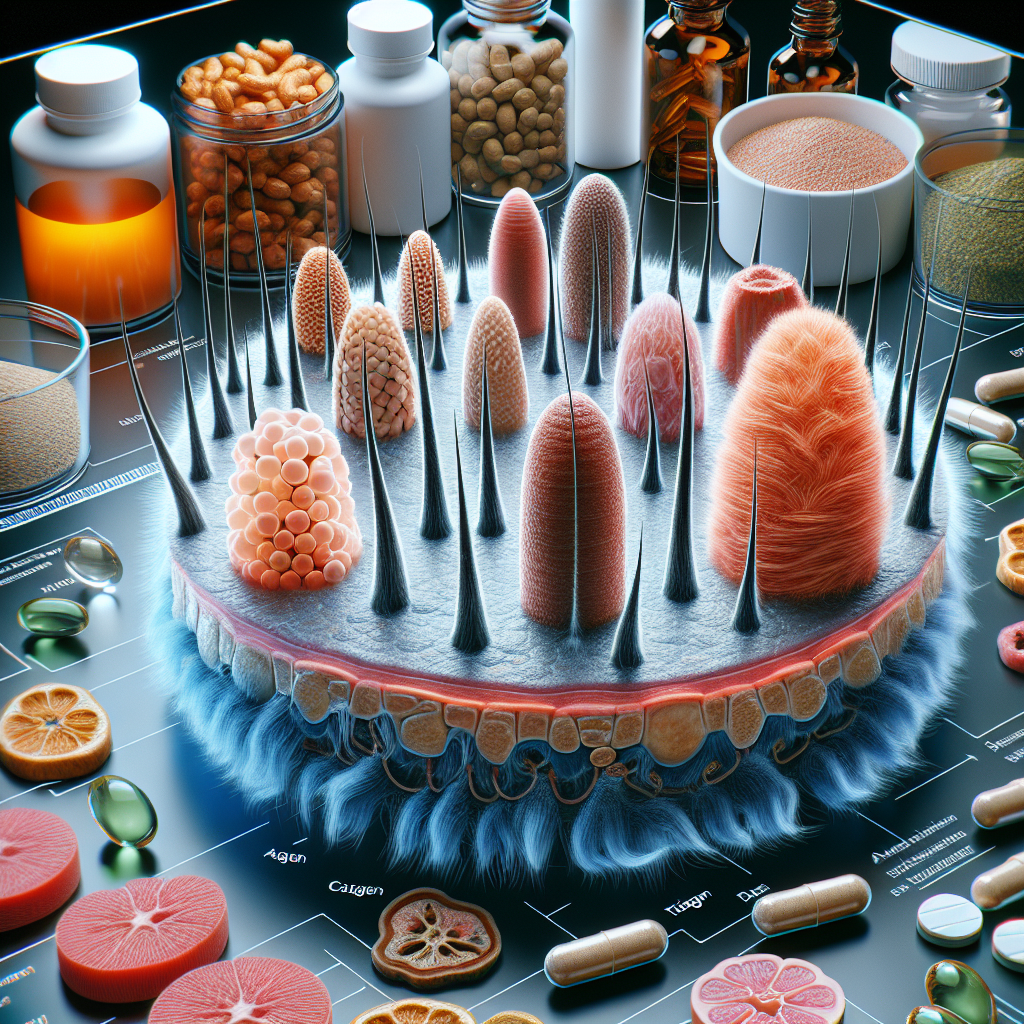
The Science Behind Hair Growth: How to Maximize Length and Strength
Have you ever wondered why some people seem to grow long, healthy hair effortlessly while others struggle with breakage and slow progress? Understanding the science behind hair growth is the key to unlocking your hair’s full potential. In this deep dive, we’ll explore the hair growth cycle, the biological and environmental factors that influence it, and proven strategies to maximize length and strength. Whether you’re starting a hair growth journey or looking to optimize your hair care routine, this guide will provide you with the expert knowledge and actionable steps you need.
Understanding Hair Growth: The Basics
Hair growth is a fascinating biological process that involves more than just what you see in the mirror. At its core, your hair’s health and length are determined by what happens beneath the scalp, within the hair follicle. To truly understand how to grow hair optimally, it’s essential to start with the basics.
Anatomy of the Hair Follicle
The hair follicle is a dynamic mini-organ buried in your scalp. Each follicle cycles through phases that influence how fast and long your hair grows. The main parts include the papilla (which supplies nutrients), the bulb (where new hair cells form), and the sebaceous gland (which produces natural oils).
The Hair Growth Cycle
The hair growth cycle consists of three main phases:
- Anagen (Growth Phase): This phase lasts 2-7 years and determines the length of your hair. About 85-90% of your hair is in this phase at any given time.
- Catagen (Transition Phase): Lasts 2-3 weeks. Hair stops growing and detaches from the blood supply.
- Telogen (Resting Phase): Lasts about 3 months. Hair is shed and the follicle prepares to start a new anagen phase.
Disruptions in this cycle—due to stress, illness, or improper care—can cause thinning or stunted growth. Learn more about the hair growth cycle in our in-depth guide.
Biological Factors Affecting Hair Growth
Several intrinsic factors impact your hair’s ability to grow:
- Genetics: Your genes determine the length of your anagen phase and your hair’s maximum length.
- Hormones: Hormonal changes (puberty, pregnancy, menopause) can accelerate or slow hair growth.
- Age: Hair growth rates typically slow with age due to a shorter anagen phase.
- Health Conditions: Thyroid issues, anemia, and autoimmune diseases can disrupt the hair growth cycle.
Case Study: Genetic Influence on Hair Growth
In a 2021 study, researchers found that East Asian populations tend to have a longer anagen phase, often resulting in thicker, longer hair. Conversely, those with a shorter anagen phase may find their hair reaches a plateau earlier, regardless of care. This highlights the importance of understanding individual genetic limitations when setting hair growth goals.
External and Lifestyle Factors
While you can’t change your genes, there are numerous external factors you can control to promote optimal hair growth:
- Nutrition: Protein, iron, biotin, and zinc are all critical for hair health. Deficiencies can lead to shedding and stunted growth. For example, a 2019 clinical trial showed that women who supplemented with biotin and zinc experienced a 15% faster regrowth rate after hair loss.
- Scalp Health: Chronic scalp inflammation or buildup can impede follicle function. Regular gentle exfoliation and scalp massages improve circulation and nutrient delivery.
- Stress: Chronic stress can push hair follicles into the telogen phase prematurely, leading to increased shedding (telogen effluvium).
- Hair Care Practices: Excessive heat styling, chemical treatments, and rough handling increase breakage and slow visible progress.
Example: The Impact of Nutrition on Hair Growth
Sara, a 28-year-old vegan, noticed increased shedding and lackluster hair. Blood tests revealed low ferritin (iron stores) and vitamin D. After a diet overhaul and supplements, her shedding decreased and hair density improved within six months. This underscores the direct link between nutrition and hair growth.
Proven Strategies to Maximize Hair Growth
Now that you understand the science, let’s break down actionable strategies for how to grow hair longer and stronger:
1. Optimize Your Diet
- Eat a variety of protein-rich foods (chicken, fish, legumes, nuts)
- Include leafy greens, berries, sweet potatoes, and seeds for vitamins A, C, E, and zinc
- Consider a multivitamin if you have dietary restrictions
2. Prioritize Scalp Care
- Gently cleanse your scalp 2-3 times a week
- Use a clarifying shampoo monthly to remove buildup
- Massage your scalp daily to encourage blood flow
3. Reduce Stress
- Practice mindfulness, yoga, or meditation
- Ensure adequate sleep (7-9 hours nightly)
4. Minimize Damage
- Avoid excessive heat styling and harsh chemical treatments
- Use silk pillowcases and gentle detangling techniques
- Trim split ends regularly to prevent breakage from traveling up the shaft
Case Study: Consistent Hair Care Routine
James, 35, struggled with slow growth and frequent breakage due to daily flat ironing. After switching to heat-free styling and adding weekly deep conditioning, he saw visible improvement in length retention within four months.
Debunking Common Hair Growth Myths
- Myth: Trimming hair makes it grow faster.
Fact: Trimming doesn’t affect the follicle but prevents split ends, helping maintain length. - Myth: Brushing 100 strokes a day stimulates growth.
Fact: Over-brushing leads to breakage and scalp irritation. - Myth: Expensive products guarantee faster hair growth.
Fact: Results depend more on routine and ingredients than price tag.
When to Seek Professional Help
If you notice sudden or severe shedding, bald patches, or scalp discomfort, consult a dermatologist or trichologist. These experts can diagnose underlying scalp or health issues that may be interfering with your hair growth cycle.
Actionable Takeaways
- Focus on a balanced diet with key vitamins and minerals for hair growth
- Prioritize gentle, consistent scalp and hair care routines
- Be mindful of stress levels and incorporate stress-reducing practices
- Set realistic expectations based on your unique genetic blueprint
- Track your progress with photos and a hair journal
Further Reading
- Understanding the Hair Growth Cycle
- Best Foods and Supplements for Hair Growth
- Common Causes of Hair Loss
Maximizing hair length and strength is about more than just products—it’s about understanding your hair’s biology and supporting it from the inside out. With the right knowledge and consistent care, you can unlock the healthiest version of your hair. For more expert advice, check out our complete guide to hair growth.