Why Sensitive Skin Deserves a Smarter Approach
If your skin reacts to almost everything — new products, weather changes, stress, even tap water — you’re not imagining it. Sensitive skin is one of the most misunderstood skin types, and the beauty industry hasn’t made it easier. Shelves full of “gentle” products that still cause breakouts, spa facials that leave you red for days, and a rotating door of expensive serums that promise miracles but deliver irritation.
The answer isn’t more products. It’s better information.
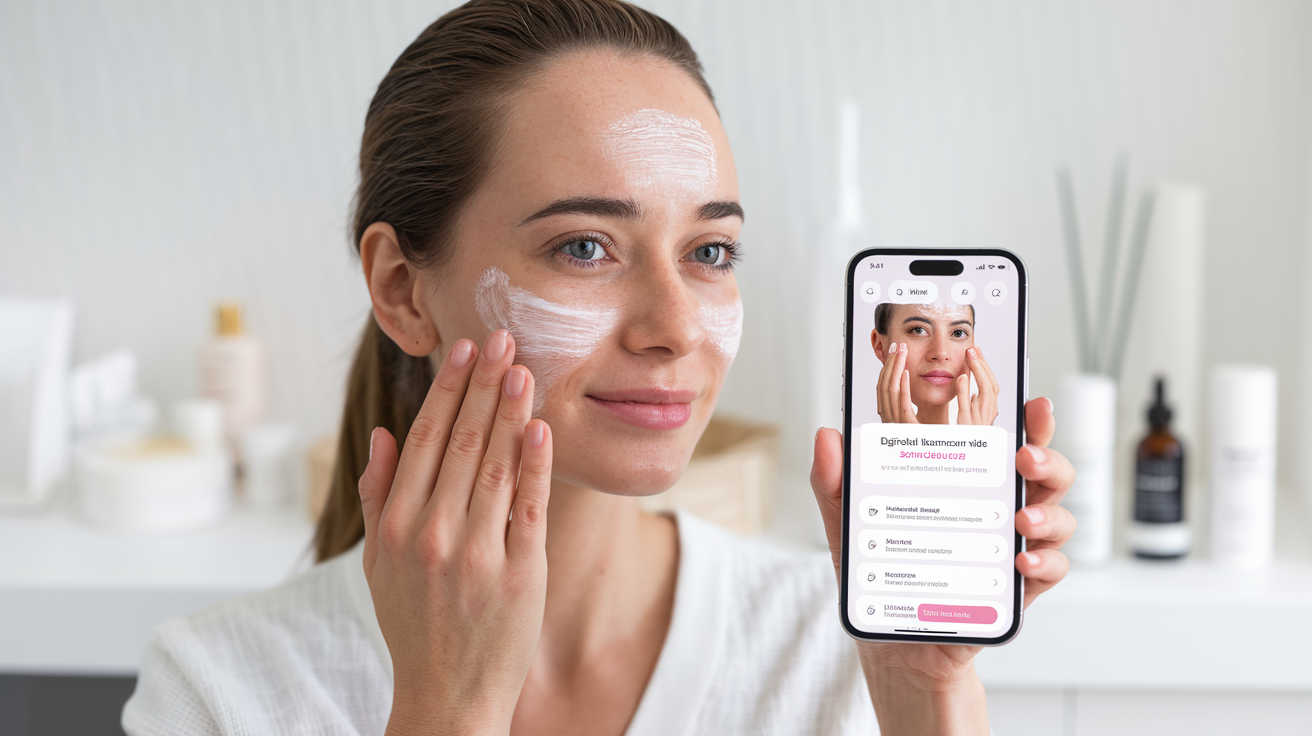
That’s exactly where a well-structured digital skincare guide for women with sensitive skin becomes genuinely life-changing — not just a checklist, but a framework for understanding why your skin reacts the way it does and how to calm it, protect it, and help it thrive.
What Makes Sensitive Skin Different (And Why Generic Advice Fails You)
Sensitive skin isn’t a diagnosis — it’s a response pattern. Your skin barrier, the outermost layer of your skin, is more permeable than average. This means irritants, allergens, and environmental stressors penetrate more easily, triggering inflammation, redness, dryness, or breakouts.
Common triggers include:
- Fragrance — the single most common contact allergen in skincare products
- Alcohol (denatured) — found in many toners and serums, it strips the skin barrier
- Essential oils — often marketed as “natural” alternatives but highly reactive
- Exfoliating acids at high concentrations — AHAs and BHAs can be beneficial in the right doses but damaging when overused
- Preservatives like methylisothiazolinone — common in rinse-off products and well-documented irritants
Generic skincare advice ignores these nuances entirely. A routine built for oily skin or aging skin may contain three or four of these triggers. No wonder your skin rebels.
Building a Sensitive Skin Routine That Actually Works
The golden rule for sensitive skin is: fewer ingredients, consistent routine, slow introductions.
Step 1: Cleanse Without Stripping
Choose a fragrance-free, low-pH cleanser with a short ingredient list. Cream or micellar formulas tend to work better than foaming cleansers, which can disrupt your skin’s acid mantle. Wash with lukewarm water — hot water dilates capillaries and worsens redness.
Step 2: Repair the Barrier First
Before adding active ingredients like retinol or vitamin C, focus on barrier repair. Look for products containing ceramides, niacinamide (start at 2–5%), panthenol, and hyaluronic acid. These ingredients reinforce the skin barrier without triggering sensitivity.
Step 3: Introduce Actives Slowly
Active ingredients can absolutely work for sensitive skin — but pacing matters. Introduce one new product at a time, wait two to three weeks before adding another, and patch-test everything on your inner arm for 48 hours first. The “skin cycling” method — rotating actives with recovery nights — has become popular for good reason: it gives sensitive skin time to recover.
Step 4: SPF Every Single Day
UV exposure is the number one driver of inflammation and premature aging, and sensitive skin is often more reactive to sun damage. Mineral sunscreens with zinc oxide or titanium dioxide are typically better tolerated than chemical filters. Look for SPF 30 or higher with no added fragrance.
The Real Cost of Getting This Wrong
Women with sensitive skin often spend more, not less, on skincare — because they’re constantly replacing products that didn’t work, booking calming facials to undo the damage of a bad product reaction, or seeing dermatologists for persistent irritation that a better routine could have prevented.
The irony is that the solution is usually simplification, not more spending. A five-product routine built on dermatologist-approved ingredients costs a fraction of a reactive, trial-and-error approach — and delivers far better results.
If you’re ready to stop guessing, The Ultimate Skin Care Handbook was built for exactly this. It’s a comprehensive, science-backed digital resource that walks you through understanding your skin type, decoding ingredient labels, and building a custom routine — including specific guidance for sensitive skin. Women using this approach report saving over $1,200 annually by replacing costly spa treatments and product experiments with targeted, effective at-home care.
When to See a Dermatologist
A good digital skincare guide for women with sensitive skin will always tell you this: some conditions go beyond skincare. If you’re experiencing persistent redness, visible broken capillaries, eczema flares, or rosacea symptoms, a board-certified dermatologist can prescribe treatments (like azelaic acid or low-dose topical antibiotics) that over-the-counter products can’t replicate. Self-education and professional care work best together.
Start With What You Know, Build From There
Sensitive skin isn’t a life sentence of reactions and limitations. It’s a skin type that responds exceptionally well to the right approach — one built on understanding, not guesswork. The more you know about your skin’s specific triggers and needs, the more control you have.
Explore our full breakdown of ingredient-by-ingredient guidance, routine templates, and expert-reviewed techniques in The Ultimate Skin Care Handbook resource page — your starting point for building a routine that finally makes sense for your skin.
Your skin isn’t the problem. The missing information is.